
 Save
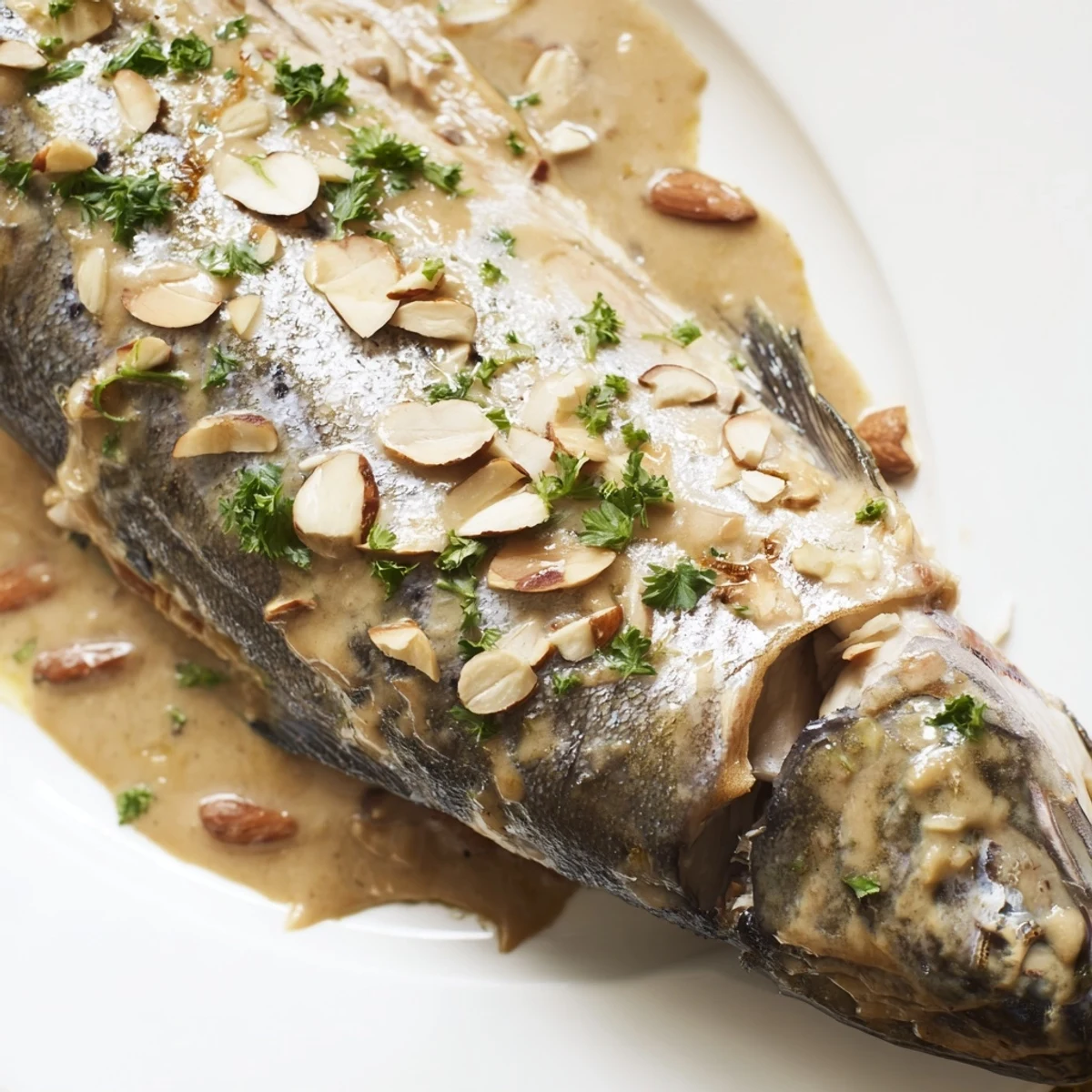
Save This dish features whole trout baked until tender and flaky, enhanced by a nutty almond butter sauce made with toasted almonds, lemon juice, and fresh parsley. The trout is seasoned and stuffed with herbs and lemon slices, then drizzled with olive oil and baked to perfection. The warm sauce adds a buttery, aromatic finish, creating a flavorful and elegant meal that pairs beautifully with steamed vegetables or salad.
I discovered baked trout with almond butter at a small café tucked into a quiet corner of Provence, watching the chef work with such ease that I thought it must be simple, only to learn later it's all about knowing when to stop fussing. My first attempt at home was awkward, but something clicked the moment I tasted those buttery almonds melting into the delicate flesh, and I realized the elegance was in the restraint.
I made this for my sister one spring when she was going through a difficult time, and she sat at my kitchen counter watching the whole process unfold. When she tasted it, something shifted in her expression, not because the food was extraordinary, but because it showed her someone had taken the time to do it properly. That's when I understood this dish isn't about impressing anyone.
Ingredients
- Whole trout, 300g each: These small fish cook evenly and come to the table looking spectacular; ask your fishmonger to scale and clean them for you, which saves frustration and a messy sink.
- Lemon: The slices go inside the fish where they perfume the flesh from within, creating pockets of brightness that make each bite feel intentional.
- Fresh herbs—parsley and dill: These are not optional garnishes; they're flavor workers that prevent the dish from tasting one-note, and fresh makes an enormous difference here.
- Olive oil: Just enough to coat the fish so it doesn't stick, nothing more; the butter sauce does the heavy lifting for richness.
- Unsalted butter: This is where the magic lives, so use good butter you'd actually eat on bread.
- Sliced almonds: Watch them like a hawk as they toast, because the difference between golden and burnt is about ninety seconds and the smell will tell you everything.
- Salt and pepper: Don't be shy with seasoning inside the cavity where taste buds actually reach the flesh.
Instructions
- Set your oven and prepare the stage:
- Heat your oven to 200°C and line a baking tray with parchment paper or give it a light oil. This ten-minute head start makes everything after feel calm, not rushed.
- Rinse and dry your fish with intention:
- Cold water, then paper towels, patting gently inside and out. Moisture is the enemy of browning, and even though you're baking, that tiny bit of color on the skin matters for texture and presentation.
- Season and stuff the cavities:
- Salt and pepper both inside and outside of each fish, then slide a few lemon slices and a pinch of parsley and dill into the belly of each one. This is where the flavor seeps in from the inside, so don't skimp on the herbs.
- Oil and slide into the oven:
- Arrange the fish on your tray, drizzle lightly with olive oil, and bake for eighteen to twenty minutes until the flesh turns opaque and flakes away from the spine with the gentlest fork nudge. You'll know it's done when a little moisture beads at the thickest point.
- Build the almond butter sauce in parallel:
- While the fish bakes, melt butter in a small skillet over medium heat, then add the sliced almonds and stir almost constantly for three to four minutes until they turn a deep golden brown. The smell will shift from plain butter to something nutty and almost toasted, and that's your signal.
- Finish the sauce with a whisper of brightness:
- Pull the skillet off the heat and stir in the lemon juice and fresh parsley. The warmth will release the parsley's oils, and the lemon will keep everything from feeling too heavy.
- Plate and pour with confidence:
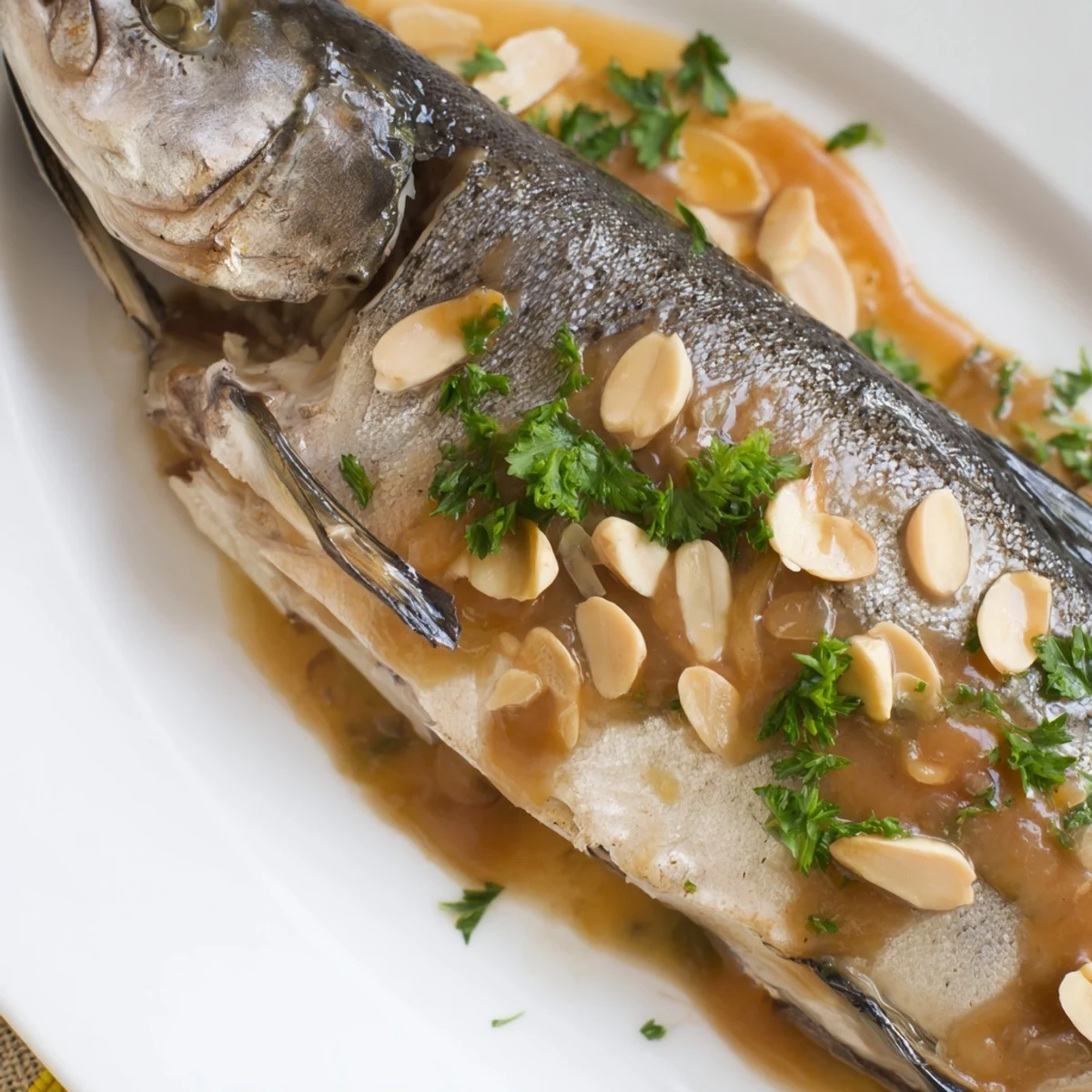
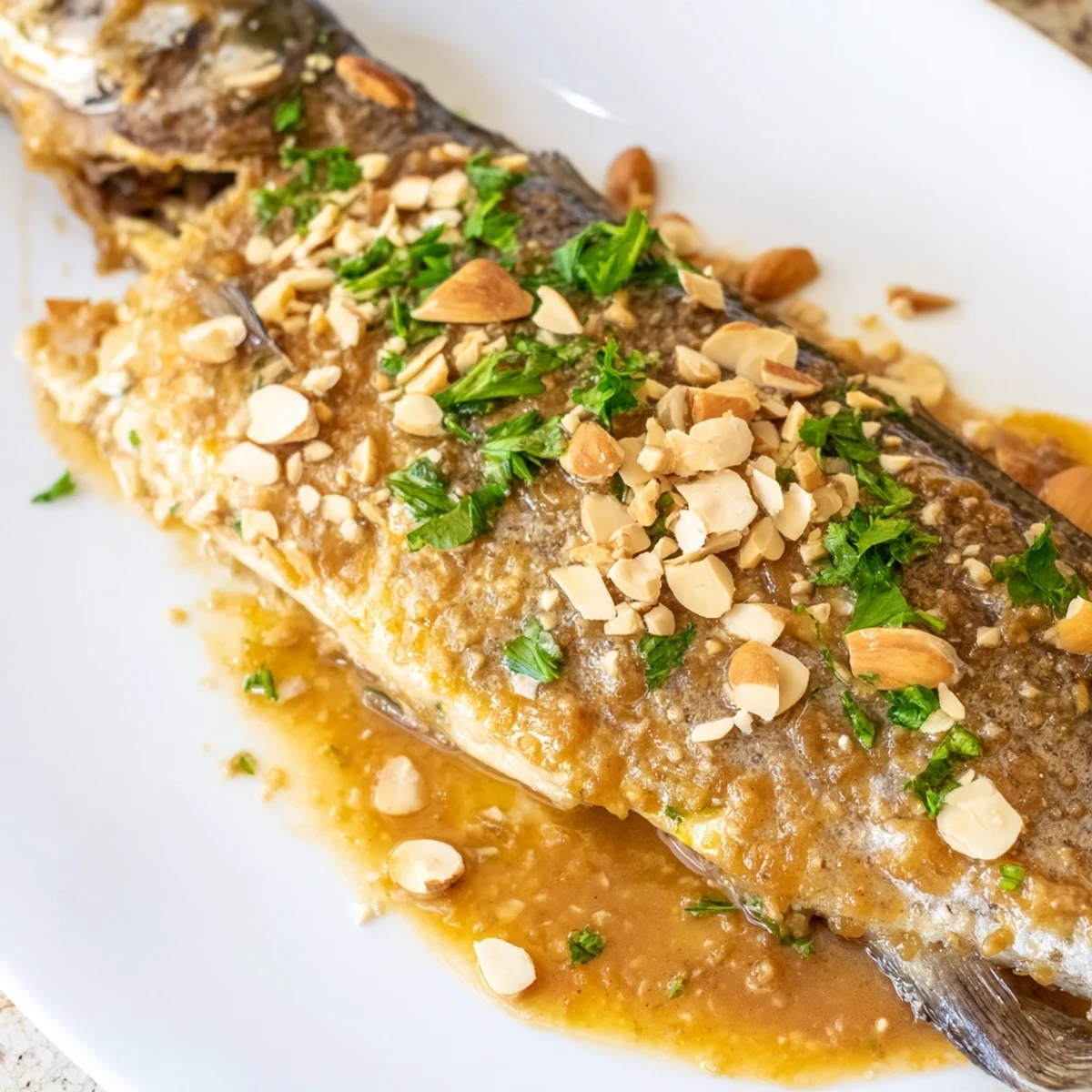
- Transfer each fish to a warm plate and spoon that warm almond butter sauce directly over the top, letting some pool around the base. Serve immediately before everything cools down.
 Save
Save There was an afternoon when my neighbor knocked on the door because the smell had drifted over to her garden, and she ended up staying for dinner. We talked for hours while barely touching the food, and halfway through I realized the almond butter had cooled but it didn't matter because the trout was still perfect and she was happy. That's when I learned that good food is really just permission to sit still with someone.
Why This Dish Works So Well
Whole roasted fish has a way of looking like you've done something complicated when you've actually just done something honest. The aromatics inside perfume the flesh while the skin protects it from drying out, which means you have a much wider margin for error than you might think. The almond butter sauce is both simple enough to make in five minutes and interesting enough that people remember it long after the meal ends.
Variations That Still Honor the Recipe
If almonds aren't available or someone at your table has allergies, toasted pumpkin seeds work beautifully and add a subtle earthiness that's different but equally good. Sea bass or snapper will cook the same way if trout isn't available, though trout's delicate flavor is what makes this dish sing. Some people add a splash of white wine to the baking tray before the fish goes in, which creates a light sauce that mingles with the almond butter, and I won't say it's wrong because it's genuinely lovely.
Building Confidence With Simple Fish
Cooking whole fish feels more dramatic than it is, and once you do it once, the anxiety usually disappears. The fish doesn't care if you're nervous, and it will forgive small mistakes if you're watching it closely. Start here and you'll find yourself reaching for whole fish more often than you expect, because something about cooking it that way makes the meal feel real.
- Ask your fishmonger to clean and scale the fish so you're not anxious about that part at home.
- Serve this with steamed potatoes and a crisp green salad to round out the plate without competing with the fish.
- Make the almond butter sauce while the fish cooks so everything comes to the table warm, which matters more than you'd think.
 Save
Save This is the kind of meal that proves you don't need hours in the kitchen or obscure ingredients to cook something worth remembering. It's the kind of dinner that brings people back to your table.
Recipe FAQs
- → How do you know when the trout is perfectly baked?
-
The trout is done when the flesh turns opaque and flakes easily with a fork. Typically, baking for 18-20 minutes at 200°C (390°F) achieves this.
- → Can I substitute almonds in the butter sauce?
-
Yes, toasted pumpkin seeds or other nuts can be used if there are allergy concerns, while maintaining the buttery texture and nutty flavor.
- → What herbs complement baked trout best in this dish?
-
Fresh parsley and dill provide a bright, aromatic lift that pairs well with the fish and rich almond butter sauce.
- → Is it necessary to stuff the trout before baking?
-
Stuffing with lemon slices and herbs infuses the fish with subtle citrus and herbal notes, enhancing overall flavor and moisture.
- → What side dishes work well with this trout preparation?
-
Steamed potatoes, crisp green salads, or seasonal vegetables pair nicely, balancing the rich and delicate flavors of the trout.
- → Can this method be used with other types of fish?
-
Yes, similar sized fish like sea bass or snapper can be baked using this method for equally delicious results.