
 Save
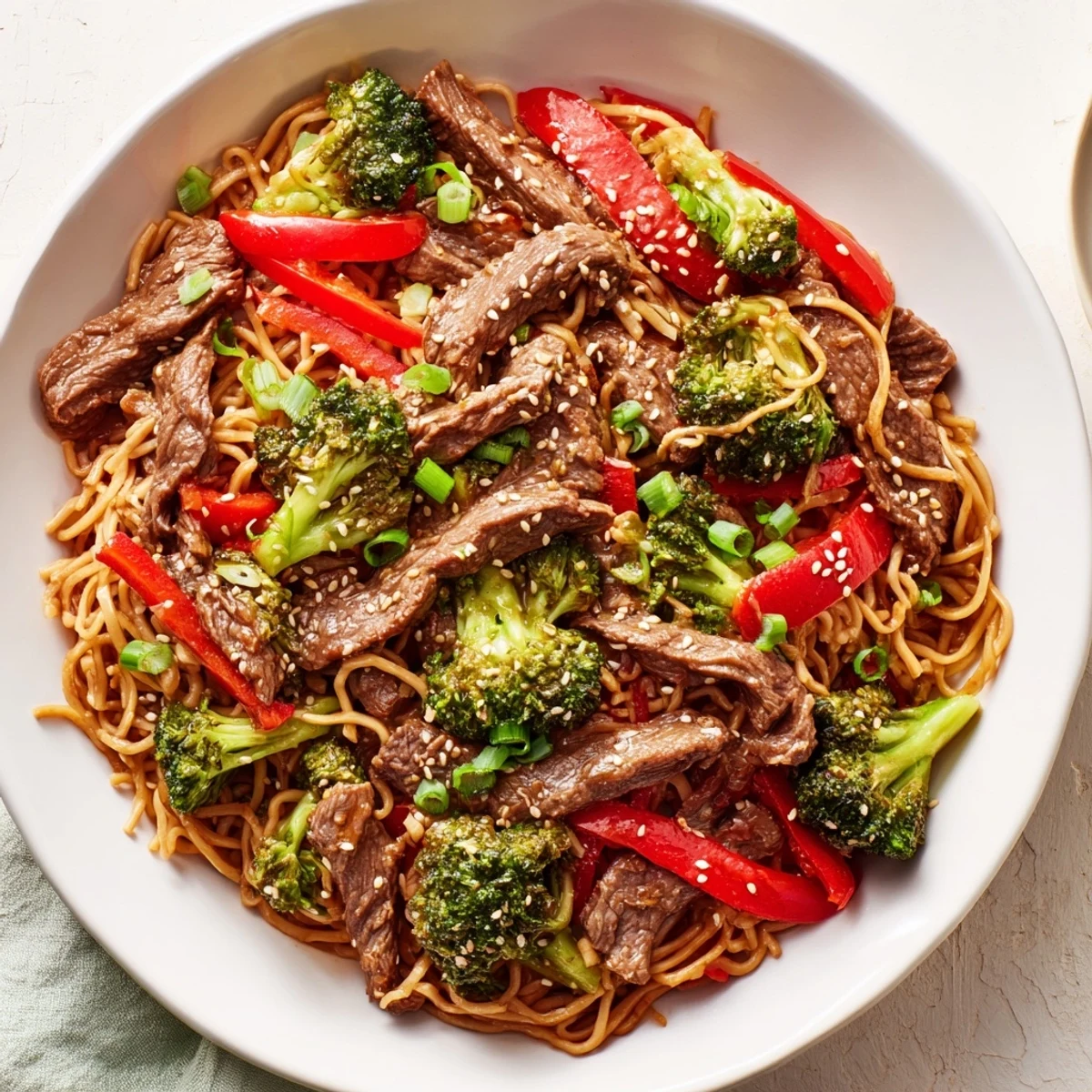
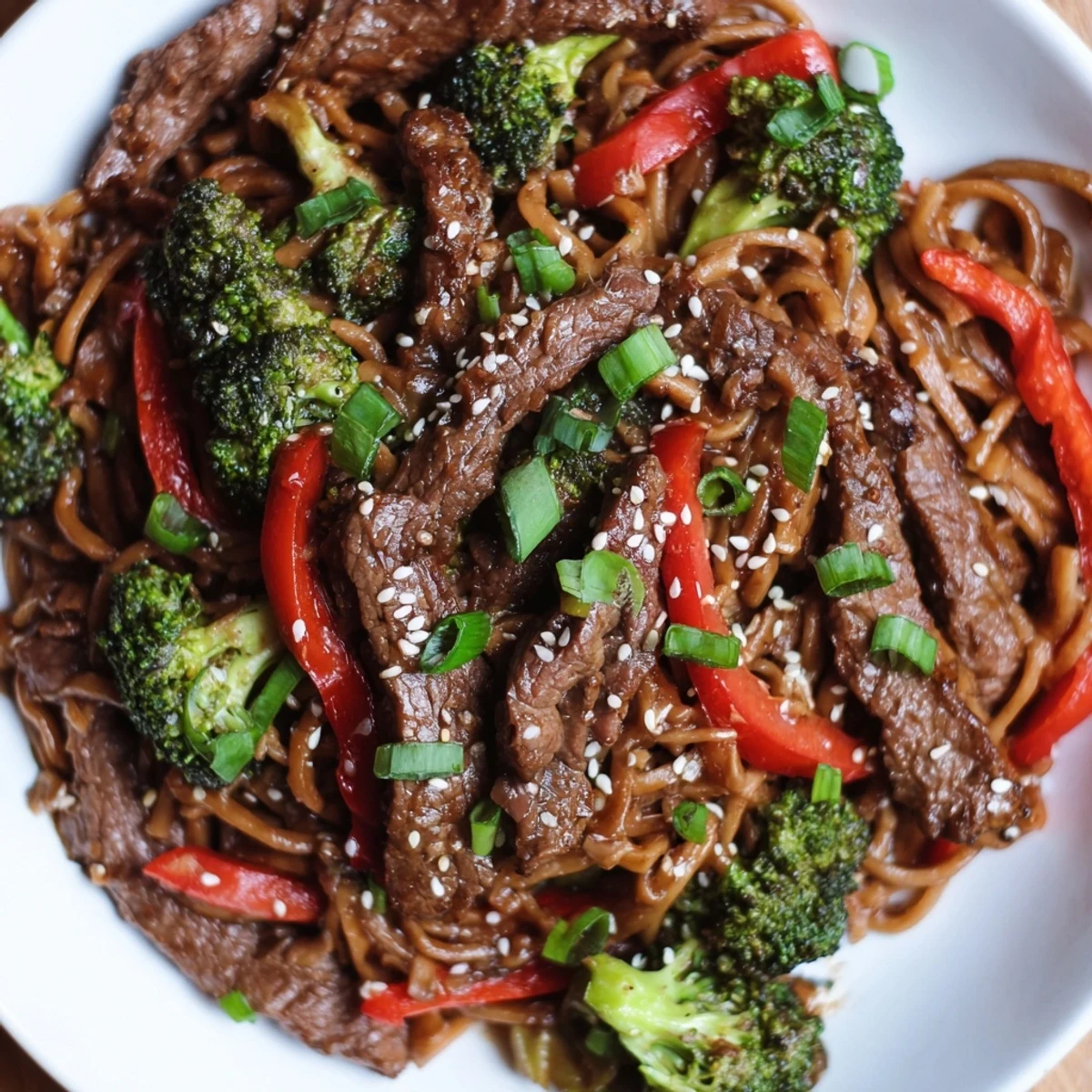
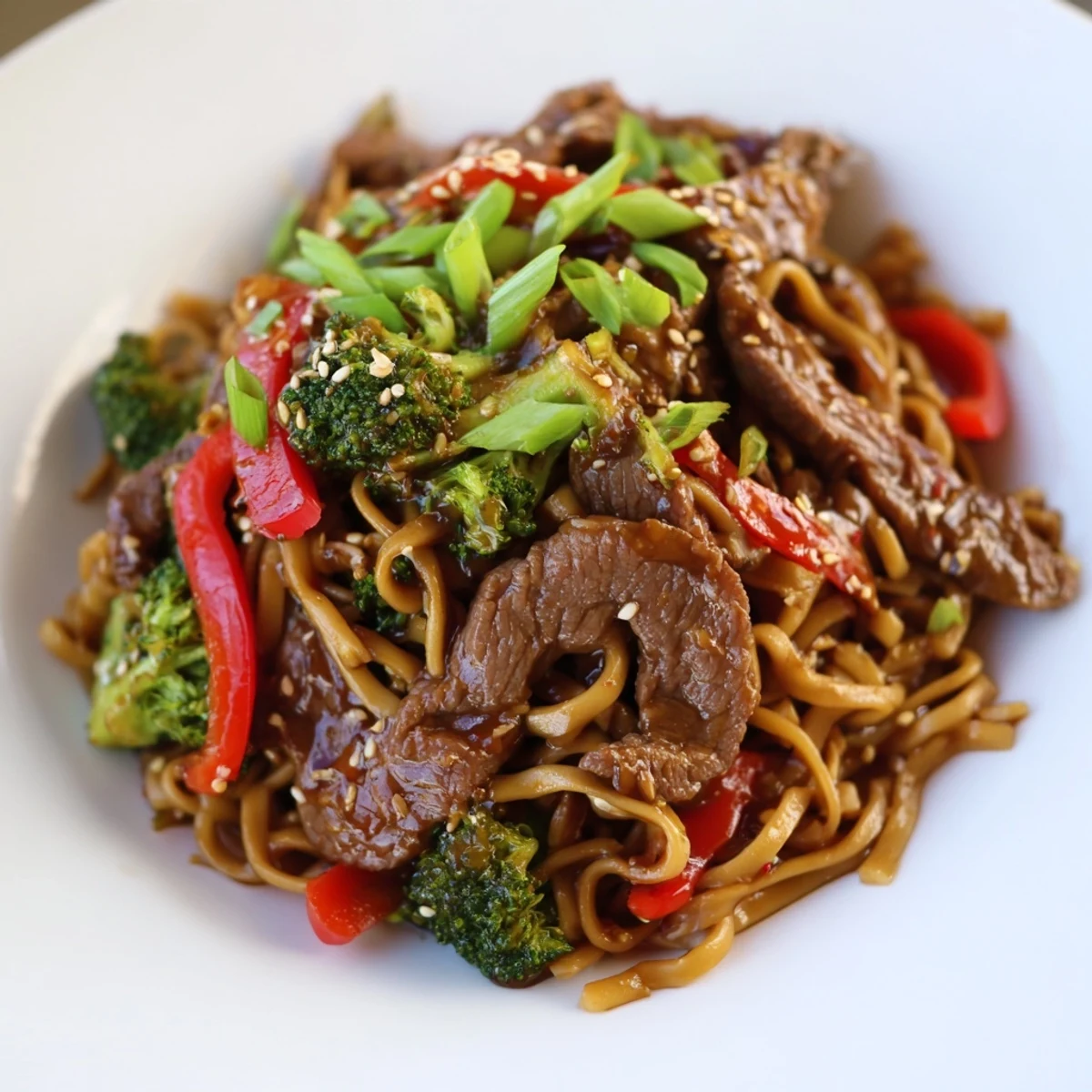
Save This dish features thinly sliced beef marinated in soy and sesame oil, stir-fried with crisp broccoli and bell peppers. Soft lo mein noodles are combined with a savory sauce made of soy, oyster, hoisin, and rice vinegar, creating a harmonious blend of flavors. With garlic, ginger, and toasted sesame seeds for garnish, this meal is a quick and satisfying option for those craving a balanced, flavorful stir-fry.
I threw this together on a Wednesday night when the fridge was half-empty and takeout felt too expensive. The sizzle of beef hitting the hot wok filled the kitchen, and suddenly it smelled better than any restaurant. My kid wandered in, drawn by the sesame and garlic, and asked if we were ordering in. Nope—just us, a good pan, and thirty minutes.
The first time I made this, I was trying to impress a friend who claimed they could never cook Asian food at home. We stood side by side at the stove, tossing noodles and vegetables, laughing when a piece of broccoli flew onto the floor. By the time we sat down, they were already planning to make it again. That night, lo mein stopped being intimidating and became ours.
Ingredients
- Flank steak (300 g, thinly sliced): Slicing against the grain keeps it tender, and marinating it with soy sauce and cornstarch gives each piece a silky coating that clings to the noodles.
- Broccoli florets (2 cups): They add a satisfying crunch and turn bright green in the hot pan, soaking up just enough sauce without going soggy.
- Red bell pepper (1 small, sliced): The sweetness balances the salty-savory sauce, and the color makes the whole dish look alive.
- Garlic (2 cloves, minced) and ginger (1 tsp, grated): These two are the soul of the dish, releasing their fragrance in seconds and transforming plain oil into something magical.
- Lo mein noodles (250 g): Their chewy texture is perfect for stir-frying, but spaghetti works in a pinch and nobody will judge you.
- Soy sauce, oyster sauce, hoisin sauce: This trio builds layers of umami, sweetness, and depth that make every bite feel complete.
- Sesame oil (1 tbsp in sauce, 1 tsp in marinade): A little goes a long way, adding that nutty, toasty finish that makes you close your eyes and sigh.
- Toasted sesame seeds (1 tbsp): They look pretty and add a tiny crunch that feels like a secret finishing touch.
Instructions
- Marinate the beef:
- Toss the sliced flank steak with soy sauce, cornstarch, and sesame oil, then let it sit for 10 minutes. This step makes the meat tender and gives it a glossy sheen when it hits the heat.
- Cook the noodles:
- Boil the lo mein noodles according to the package, then drain and rinse them under cold water to stop the cooking. This keeps them from clumping and makes stir-frying easier.
- Mix the sauce:
- Whisk together soy sauce, oyster sauce, hoisin sauce, rice vinegar, sesame oil, sugar, and black pepper in a small bowl. It should smell rich and a little sweet, promising everything good.
- Sear the beef:
- Heat your wok or skillet until it is screaming hot, add a tablespoon of oil, then toss in the beef and stir-fry for 2 to 3 minutes. You want a nice sear, not gray steamed meat, so resist the urge to stir constantly.
- Stir-fry the vegetables:
- Add another tablespoon of oil, then the broccoli and bell pepper, stirring for 2 to 3 minutes until they soften but still have bite. Toss in the garlic and ginger and let them sizzle for 30 seconds, filling your kitchen with that unmistakable aroma.
- Bring it all together:
- Return the beef to the pan, add the cooked noodles and sauce, and toss everything for 2 to 3 minutes. The noodles should be glossy and evenly coated, every strand slick with flavor.
- Finish and serve:
- Stir in the green onions, pull the pan off the heat, and sprinkle sesame seeds over the top. Serve it right away while it is still steaming.
 Save
Save One evening, I made this for my neighbor who had just moved in and did not know anyone yet. We ate it straight from the pan, standing at the counter, talking about nothing and everything. She told me later that it was the first time her new apartment felt like home. Sometimes a bowl of noodles is more than dinner.
How to Make It Your Own
Swap the beef for chicken thighs, shrimp, or crispy tofu depending on what you have or what sounds good. I have added snap peas, mushrooms, and even shredded carrots when the vegetable drawer was running low. If you like heat, stir in a teaspoon of chili paste or a pinch of red pepper flakes with the sauce, and suddenly it has a whole new personality.
What to Serve It With
This dish is hearty enough to stand alone, but sometimes I set out a small bowl of pickled cucumbers or a simple cabbage slaw to cut through the richness. A cold beer or iced green tea feels right, and if you are feeding a crowd, start with potstickers or spring rolls. Leftovers reheat beautifully in a hot skillet with a splash of water to loosen the noodles.
Storage and Reheating Tips
Store leftovers in an airtight container in the fridge for up to three days. When you reheat, use a skillet over medium heat and add a tablespoon of water or broth to bring the noodles back to life. The microwave works in a pinch, but the stovetop keeps the texture better and brings back that just-cooked shine.
- Let the dish cool completely before sealing it up, or condensation will make the noodles soggy.
- If you plan to meal prep, slightly undercook the vegetables so they do not turn mushy when reheated.
- Freeze individual portions in freezer-safe bags for up to a month, then reheat straight from frozen in a covered skillet.
 Save
Save This recipe taught me that weeknight cooking does not have to be boring or stressful, and that a hot wok and a handful of good ingredients can turn an ordinary evening into something worth remembering. I hope it does the same for you.
Recipe FAQs
- → What cut of beef works best for this dish?
-
Flank steak, thinly sliced against the grain, provides tenderness and cooks quickly in the stir-fry.
- → Can I use different vegetables instead of broccoli?
-
Yes, substitute with snap peas, mushrooms, or bell peppers to vary the texture and flavor.
- → How do I avoid mushy noodles?
-
Cook noodles until al dente, drain and rinse under cold water to stop cooking and prevent clumping.
- → What is the role of cornstarch in marinating the beef?
-
Cornstarch helps tenderize the beef and creates a slight coating that locks in juices during cooking.
- → Can I increase the spiciness of this dish?
-
Yes, add chili paste or red pepper flakes to the sauce to give it a spicy kick.