
 Save
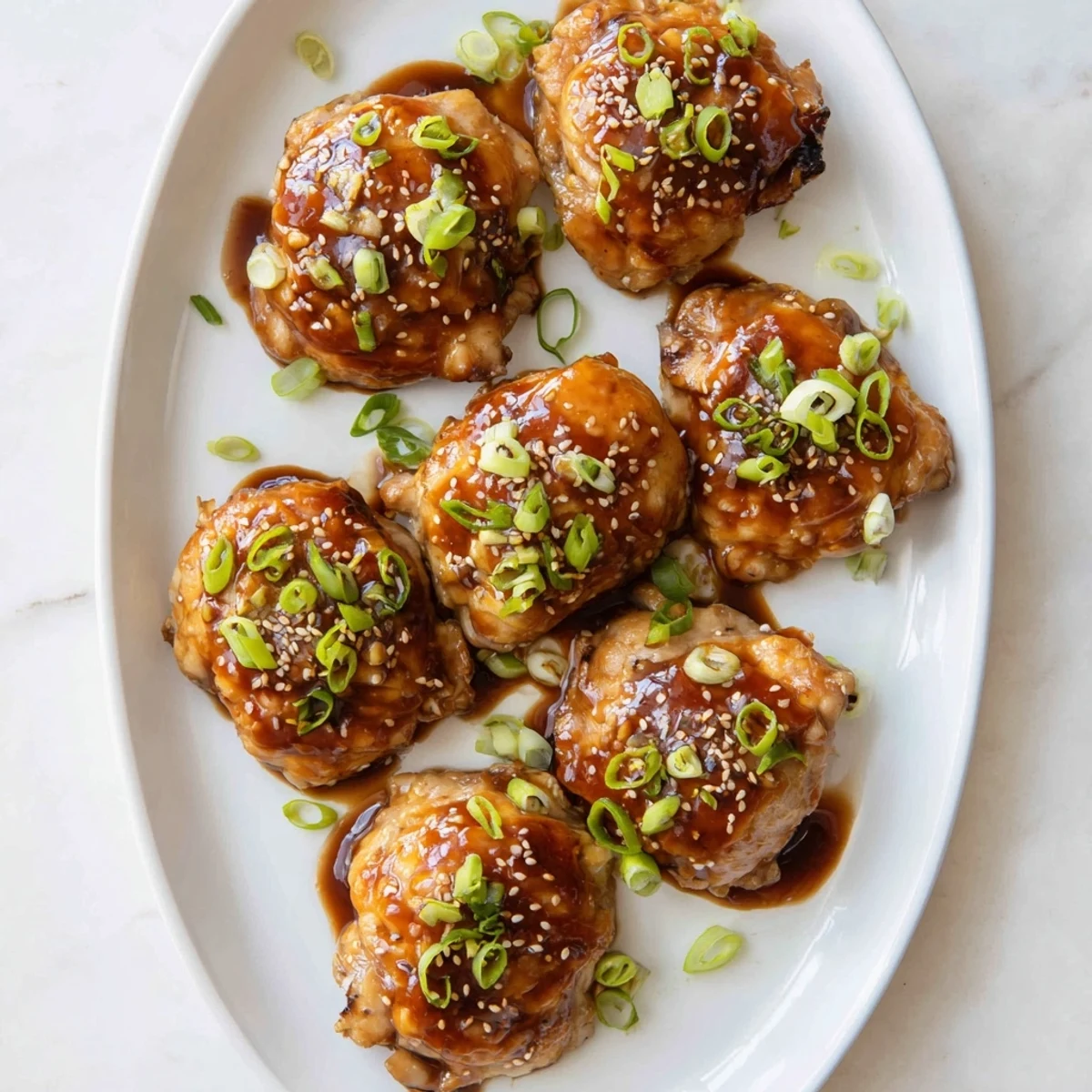
Save These bone-in chicken thighs deliver incredible tenderness and flavor through a simple yet effective technique. The meat soaks in a balanced marinade of soy sauce, mirin, honey, and aromatics before roasting at high heat, creating beautifully caramelized skin while keeping the interior moist and succulent.
Basting during cooking ensures every bite absorbs the glossy teriyaki glaze. The result is restaurant-quality Japanese-inspired comfort food that comes together with minimal hands-on effort. Perfect served over steamed rice with crisp vegetables for a satisfying weeknight dinner.
The smell of teriyaki caramelizing in the oven is one of those things that makes everyone in the house suddenly appear in the kitchen doorway, pretending they just happened to walk by. My neighbor once knocked on my door asking what I was cooking because the scent had drifted through the shared hallway of our apartment building. That sticky, savory, sweet glaze working its magic on crispy chicken skin is honestly impossible to resist.
One rainy Tuesday I made a double batch of these thighs for friends who came over to watch a game, and by halftime there was nothing left but a tray of picked over bones and satisfied faces. I learned that night to always make more than you think you need because people will go back for seconds and thirds without any shame.
Ingredients
- Bone in, skin on chicken thighs: Eight pieces around one and a half kilograms total, the bone is essential for moisture and the skin becomes the best part.
- Soy sauce: One third of a cup, this is your salty backbone so use a decent quality Japanese brand if you can find one.
- Mirin: One quarter of a cup, the sweet rice wine that gives teriyaki its signature glossy finish and mild sweetness.
- Honey: Two tablespoons, helps the glaze stick and caramelize beautifully on the skin.
- Brown sugar: Two tablespoons, adds depth and a molasses note that plain white sugar cannot match.
- Rice vinegar: Two tablespoons, a gentle acidity that balances all the sweetness perfectly.
- Garlic: Two cloves minced, freshly minced always beats the jarred version here.
- Fresh ginger: One tablespoon grated, do not skip this because it brings a warmth that ties everything together.
- Sesame oil: One tablespoon, the toasted kind adds a nutty richness that rounds out the marinade.
- Cornstarch: One tablespoon optional, mixed with two tablespoons of water to thicken the extra sauce into something you will want to pour on rice.
- Green onions: Two thinly sliced for garnish, they add a fresh crunch that cuts through the richness.
- Toasted sesame seeds: One tablespoon, mostly for looks but they add a nice little pop of texture.
Instructions
- Build the marinade:
- Whisk together the soy sauce, mirin, honey, brown sugar, rice vinegar, garlic, ginger, and sesame oil in a large bowl until the sugars dissolve and everything smells like a Japanese kitchen.
- Coat the chicken:
- Add the chicken thighs and turn each one until thoroughly coated, then cover and refrigerate for at least thirty minutes though overnight will reward your patience immensely.
- Set up the oven:
- Preheat to 200 degrees Celsius or 400 degrees Fahrenheit and line a baking tray with parchment paper or foil because cleanup with sticky teriyaki can be a nightmare otherwise.
- Arrange and start roasting:
- Remove the thighs from the marinade and reserve that liquid, placing the chicken skin side up on the tray so the fat renders and the skin crisps as it roasts.
- Baste halfway through:
- After twenty minutes pull the tray out and baste the chicken generously with the reserved marinade, then return to the oven until the internal temperature hits 75 degrees Celsius and the skin turns a deep amber.
- Reduce the sauce:
- Pour remaining marinade into a small saucepan and bring to a boil, adding the cornstarch slurry if you want a thicker sauce, then simmer for three to five minutes until it coats the back of a spoon.
- Finish and serve:
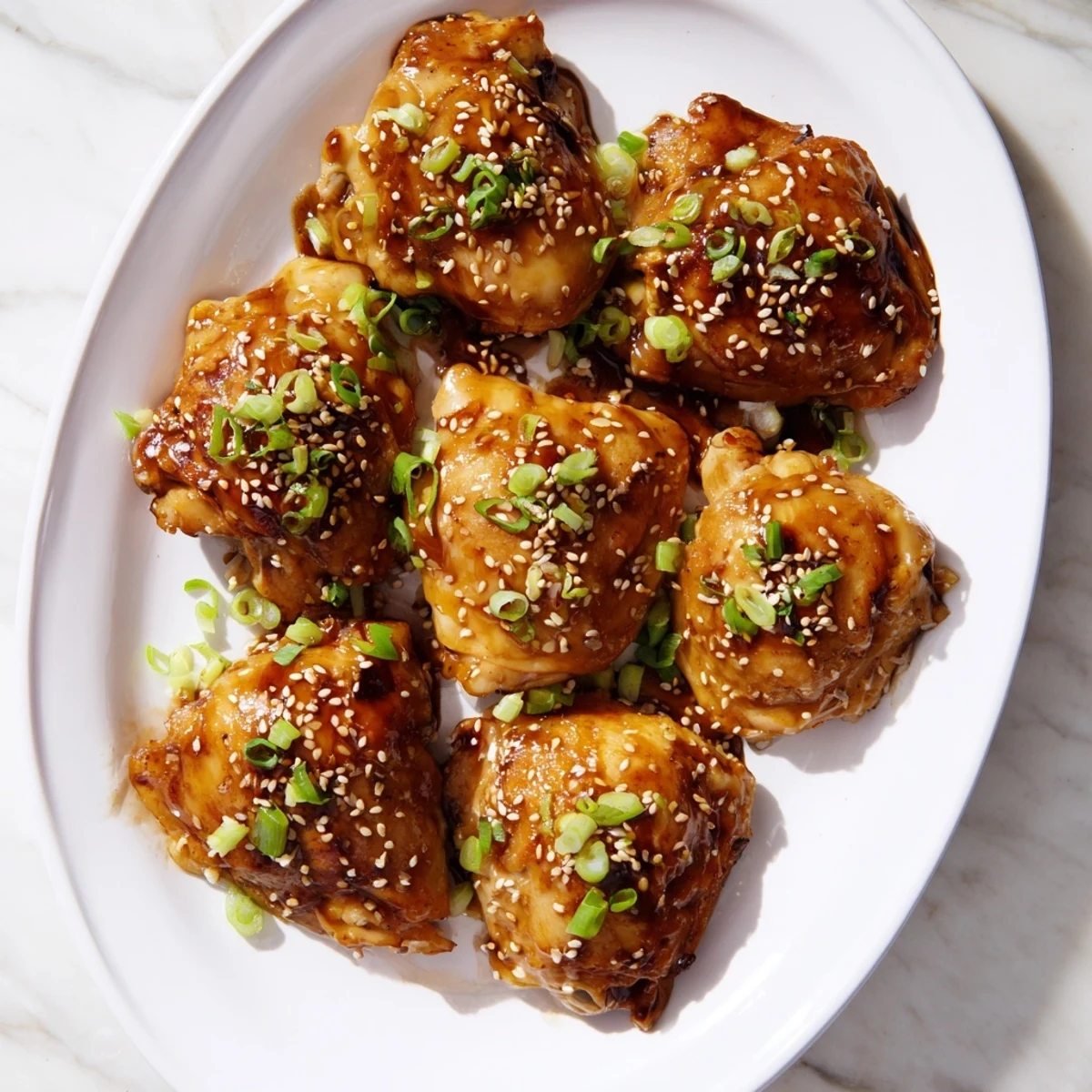
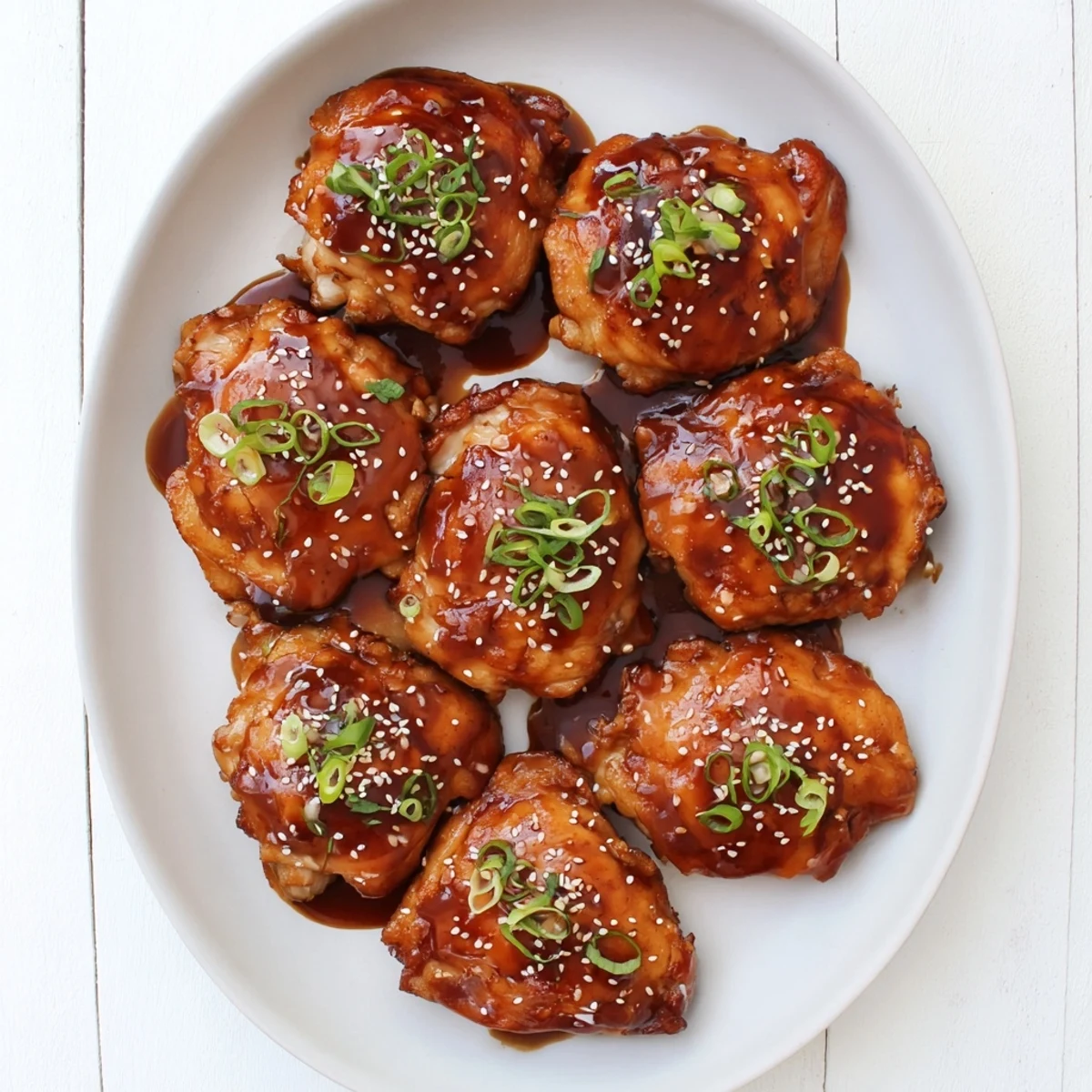
- Arrange the chicken on a platter, drizzle with that reduced sauce, scatter green onions and sesame seeds over the top, and serve hot before everyone descends.
 Save
Save The first time I served these to my mother in law she closed her eyes after the first bite and I knew I had won her over completely. Food has a way of doing that, breaking down walls one sticky sweet bite at a time.
Getting the Skin Right
The trick to truly lacquered skin is making sure the chicken starts skin side up and stays that way the entire time. Every time you flip or move the pieces you risk tearing that beautiful crust that is building. Let the oven heat do its work undisturbed and resist the urge to fiddle.
What to Serve Alongside
Steamed white rice is the obvious choice because it catches every drop of that extra sauce, but a pile of quickly sauteed bok choy or snap peas adds color and crunch. On warm evenings I like a simple cucumber salad with rice vinegar on the side.
Making It Your Own
This recipe is a template once you get comfortable with it. A pinch of chili flakes turns up the heat, a splash of orange juice adds brightness, and a tablespoon of sake deepens the flavor.
- Try dry sherry with a little extra honey if you cannot find mirin anywhere.
- The marinade works beautifully on wings or drumsticks too, just adjust the cooking time.
- Always let the chicken rest for five minutes before serving so the juices redistribute properly.
 Save
Save Keep any leftovers in the fridge and reheat them gently in a skillet the next day when the flavors have somehow gotten even better. This is the kind of recipe that earns a permanent spot in your weekly rotation without even trying.
Recipe FAQs
- → How long should I marinate the chicken?
-
Marinate for at least 30 minutes for good flavor absorption. For the most tender and flavorful results, let it marinate in the refrigerator overnight. The longer marinating time allows the soy, mirin, and aromatics to penetrate deeply into the meat.
- → Can I use boneless chicken thighs instead?
-
Yes, boneless thighs work well and will cook faster, approximately 25-30 minutes. However, bone-in thighs provide more flavor and stay juicier during roasting. If using boneless, reduce cooking time and check for doneness earlier.
- → What can I substitute for mirin?
-
Dry sherry combined with a small amount of extra honey makes a good substitute for mirin. You can also use Chinese cooking wine or white wine with a pinch of sugar. The flavor profile will vary slightly but still produce delicious results.
- → How do I know when the chicken is done?
-
The chicken is fully cooked when it reaches an internal temperature of 75°C (165°F) when measured with a meat thermometer. The juices should run clear when pierced, and the skin should be golden brown and caramelized.
- → Can I make this gluten-free?
-
Absolutely. Replace regular soy sauce with tamari or a certified gluten-free soy sauce alternative. All other ingredients, including mirin, are naturally gluten-free. Double-check labels to ensure no hidden gluten-containing additives.