
 Save
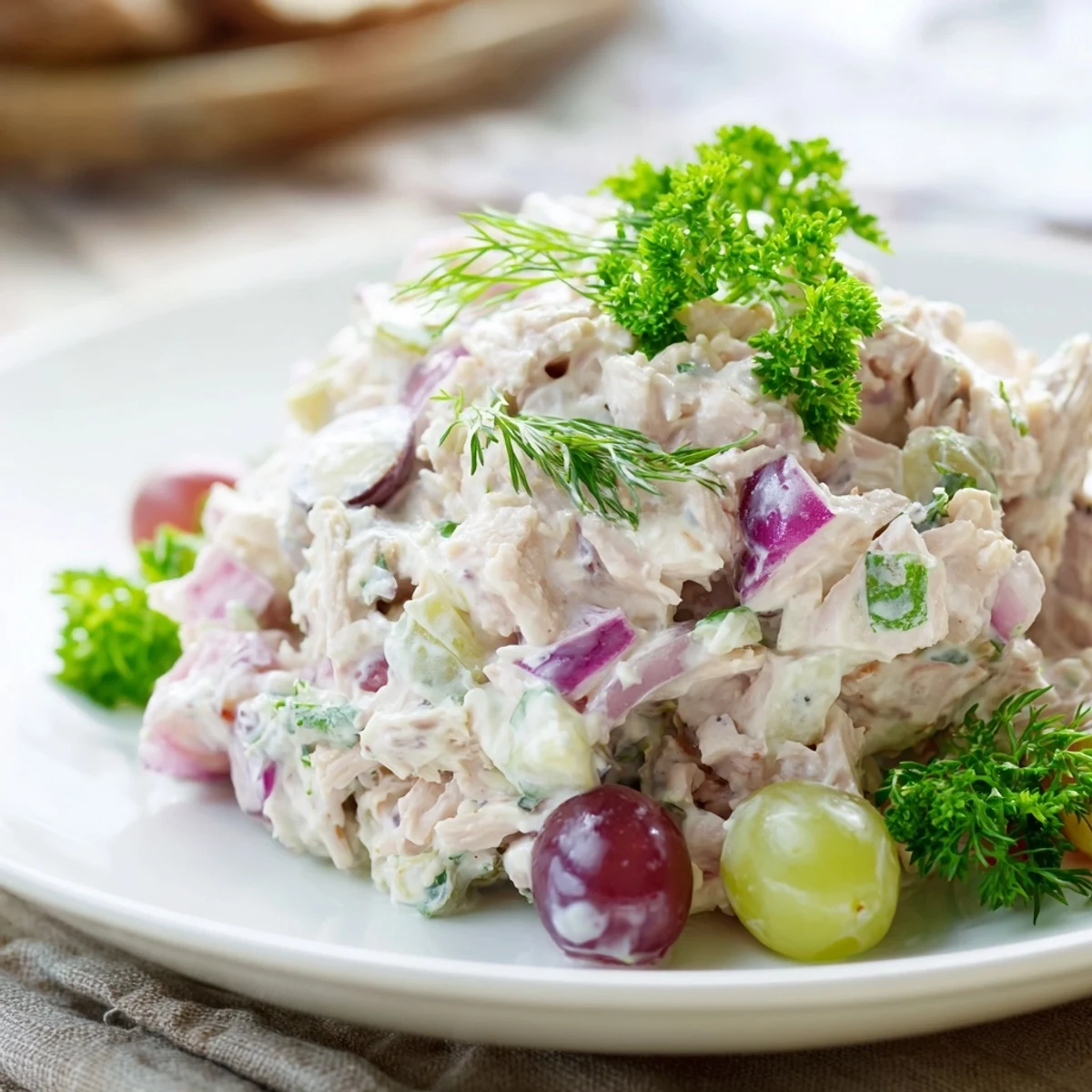
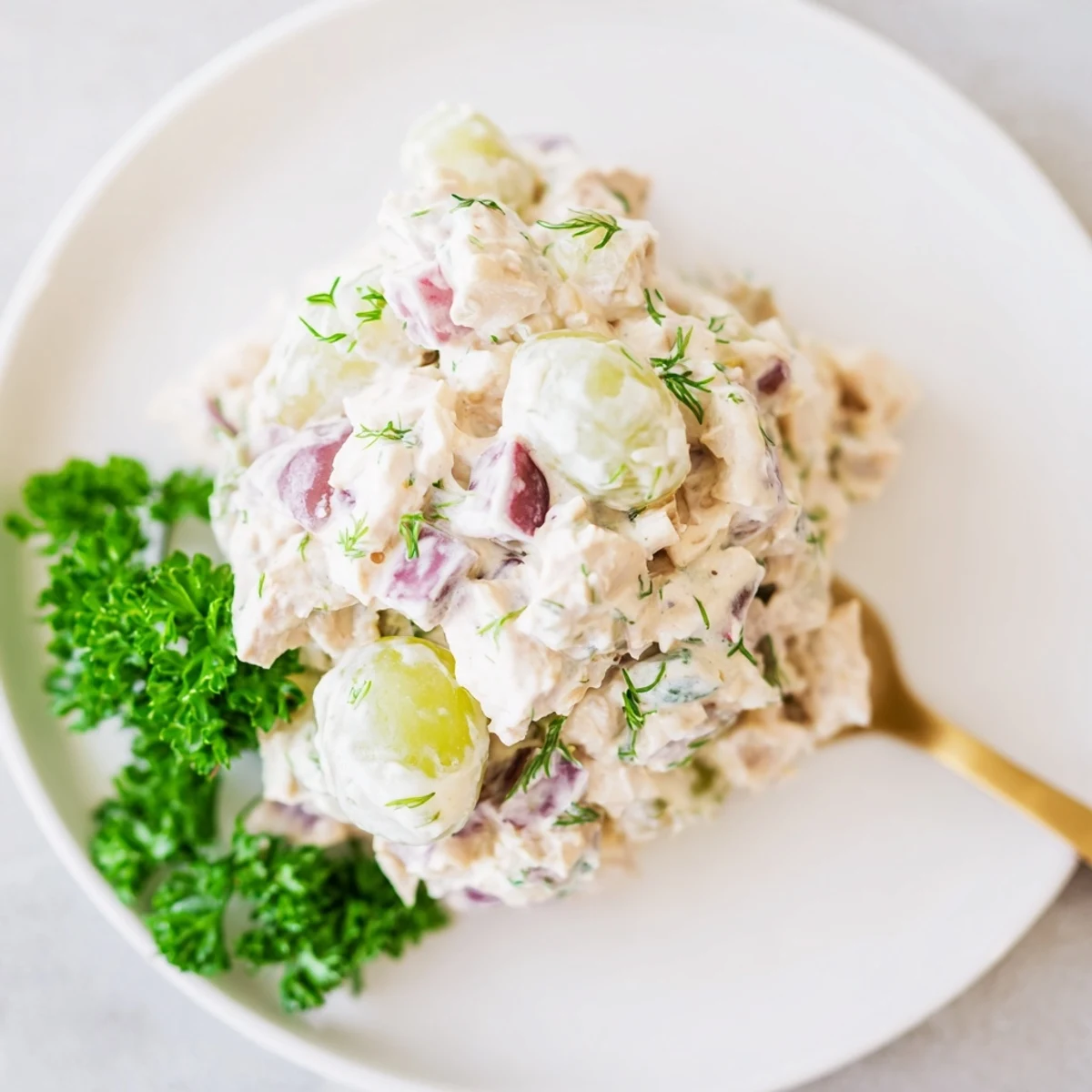
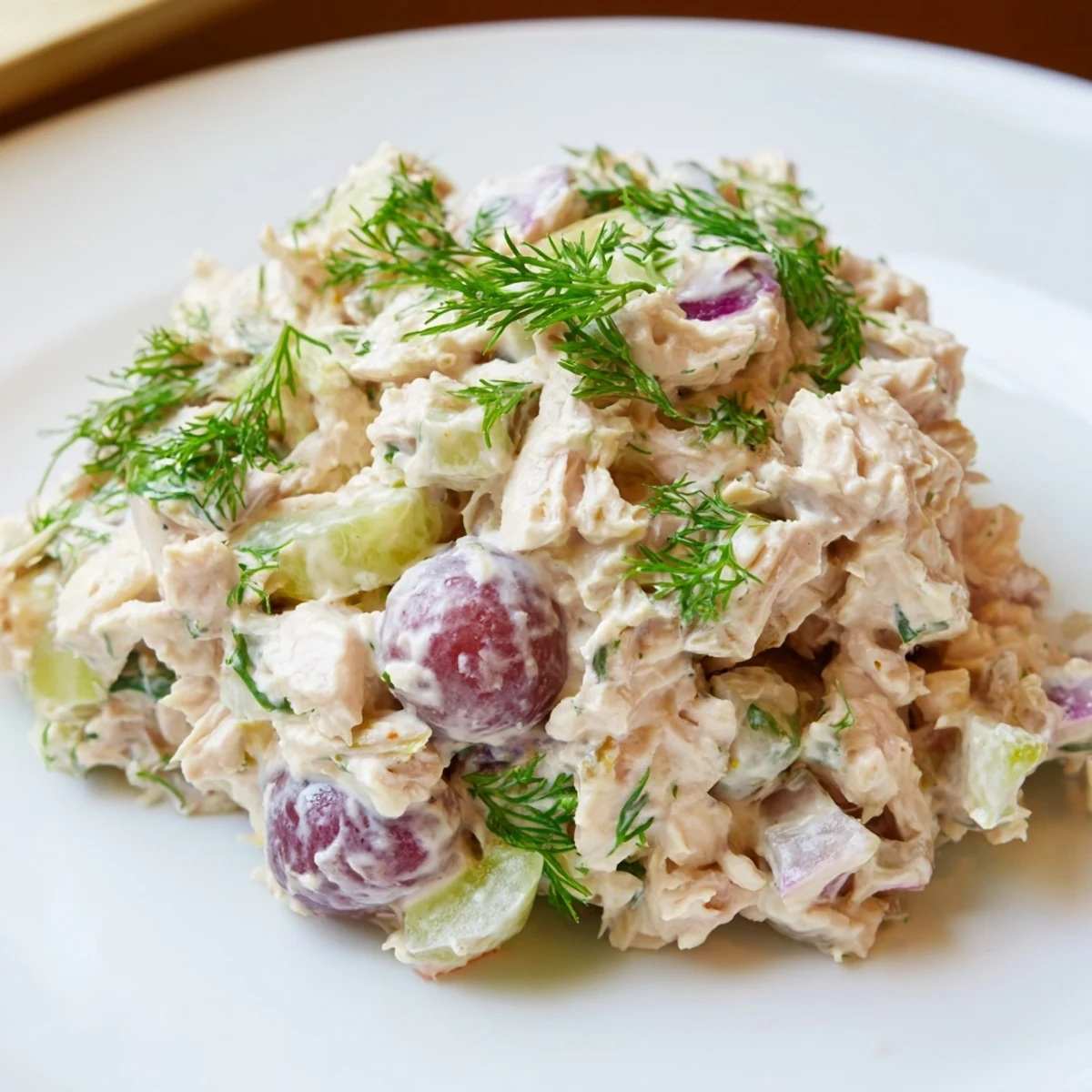
Save This dish features tender cooked chicken mixed with finely chopped celery, red onion, and optional grapes for a touch of sweetness. A smooth dressing made from mayonnaise, Greek yogurt, Dijon mustard, lemon juice, and seasonings brings creaminess and depth. Fresh parsley and dill add brightness, making it perfect to serve chilled on greens, in sandwiches, or with crackers. Quick to prepare, this flavorful, herbaceous scoop delivers a balanced and satisfying meal.
There's something about the simplicity of chicken salad that makes it feel like a small victory in the kitchen. I discovered this particular version on a Tuesday afternoon when I had leftover rotisserie chicken, a surprisingly full vegetable drawer, and the kind of hunger that needed feeding quickly. The first time I tossed it all together with a Greek yogurt-mayo blend instead of going full mayonnaise, something clicked—it tasted lighter but still creamy, like someone had figured out the secret I'd been chasing.
I made this for a group of friends who showed up unexpectedly with wine and hunger, and I remember how the conversation shifted once everyone tasted it. Someone asked for the recipe before they'd even finished their plate, which felt like the highest compliment. It became the thing I made whenever I wanted to prove that effortless food could still feel intentional and thoughtful.
Ingredients
- Cooked chicken breast, diced or shredded (2 cups): Use rotisserie chicken to save time, or poach and dice your own—either way, the chicken is your canvas, so it should taste good on its own.
- Celery, finely chopped (1/2 cup): This isn't just texture; the slight bitterness balances the richness and keeps each bite interesting.
- Red onion, finely chopped (1/4 cup): Red onion has a sharper bite than yellow, which cuts through the creaminess and adds color without needing to do anything fancy.
- Seedless grapes, halved (1/4 cup, optional): These little pockets of sweetness are your secret weapon if anyone finds the salad too savory—add them if you want a hint of brightness.
- Mayonnaise (1/2 cup): The backbone of the dressing; use the real stuff, not a substitute, because you'll taste the difference immediately.
- Plain Greek yogurt or sour cream (2 tablespoons): This is the move that changes everything—it makes the salad creamy without being dense, and it adds a subtle tang that grounds all the flavors.
- Dijon mustard (1 tablespoon): A small amount goes a long way, adding a sophisticated edge that you'll taste but not identify, which is exactly how it should work.
- Lemon juice (1 teaspoon): Freshly squeezed matters here; it brightens everything and prevents the salad from tasting flat or one-dimensional.
- Salt and black pepper (1/2 teaspoon salt, 1/4 teaspoon pepper): Season as you go, because these seasonings are the final word on whether the salad tastes homemade or forgettable.
- Fresh parsley, chopped (2 tablespoons): This adds a clean finish and visual appeal—it's the punctuation mark at the end of the sentence.
- Fresh dill, chopped (1 tablespoon, optional): Dill makes the whole thing feel a little more special, like you know what you're doing, even if you're just throwing things together.
Instructions
- Start with your foundation:
- Combine the diced chicken, celery, red onion, and grapes in a large bowl and take a moment to look at it—this is where texture comes from, and you want to make sure nothing is chopped too large or too small. If your celery is chunky or your onion is in uneven pieces, go back and fix it; it takes 30 seconds and changes how the whole thing eats.
- Build the dressing:
- In a separate small bowl, whisk the mayo, Greek yogurt, Dijon mustard, lemon juice, salt, and pepper until it's completely smooth and the color is consistent throughout. Taste it straight from the spoon—this is your only chance to adjust the seasoning before it meets the chicken, so don't skip this step.
- Bring it together:
- Pour the dressing over the chicken mixture and fold it together gently, almost like you're being careful not to bruise it. You'll know it's done when everything glistens and there are no dry pockets—this usually takes about 20 gentle folds with a spoon.
- Finish with brightness:
- Fold in the parsley and dill at the very end, right before you chill it—this keeps the herbs fresh and their color vibrant, rather than having them sit in the creamy mixture and lose their personality. It's a small move that matters more than it sounds.
- Let it rest:
- Chill for at least 15 minutes; this isn't just about temperature, it's about giving all the flavors a chance to know each other and settle into something greater than the sum of their parts.
 Save
Save I think about the moment I realized this salad had become something I made automatically, the way you make the thing you know works. It went from 'let me try this' to 'of course I'm making this,' and somewhere in that shift it stopped being a recipe and became part of how I feed myself and the people I care about.
How to Serve This
The beauty of chicken salad is that it works as many ways as you can imagine. Pile it generously on buttered croissants, tuck it into lettuce cups for something light, or serve it over fresh greens with a drizzle of extra lemon juice. I've eaten it cold straight from the bowl on Sunday afternoons, and I've made it fancy by adding it to endive leaves for a crowd. The salad itself doesn't change—what changes is how you present it, and that flexibility is half the reason I keep making it.
Variations That Work
Once you have the basic formula down, the salad becomes a vehicle for whatever you're drawn to in the moment. Chopped apples add a crisp sweetness, walnuts bring earthiness, and sliced almonds give you crunch without overpowering the chicken. I've added curry powder for something more adventurous, roasted red peppers for color, and even a small handful of dried cranberries on mornings when the salad needed to feel a little more special than usual.
What Drinks and Sides Pair Well
A crisp white wine like Sauvignon Blanc cuts through the richness and feels celebratory if you're eating this as a proper lunch. Cold tea, sparkling water with lemon, or even a light beer work beautifully if you're looking for something less formal. If you're building a meal around it, consider adding something bright and acidic on the side—a simple tomato salad, pickled vegetables, or even just sliced cucumbers—to keep the whole plate from feeling too creamy.
- Serve the salad well-chilled so it stays crisp and refreshing, not pooling and separated.
- Make it up to a day ahead for entertaining, and the flavors will actually deepen and become more confident.
- Keep extra dressing on the side if you're serving it to a crowd; some people like more, and it's easier than remaking the whole batch.
 Save
Save This salad has become my answer to 'what's for lunch?' because it requires almost nothing but gives almost everything. It's the kind of recipe that proves you don't need complicated techniques or obscure ingredients to make something that feels intentional and delicious.
Recipe FAQs
- → Can I use leftover chicken for the salad?
-
Yes, leftover cooked chicken works perfectly and saves preparation time while maintaining flavor.
- → What can I substitute for mayonnaise in the dressing?
-
Greek yogurt is a great alternative for a lighter, tangier dressing without losing creaminess.
- → How long should the chicken mixture chill before serving?
-
Chilling for at least 15 minutes allows flavors to meld and improves the overall texture.
- → Are the grapes necessary in the salad?
-
Grapes add a subtle sweetness and texture contrast but can be omitted if preferred.
- → What herbs enhance this chicken scoop best?
-
Fresh parsley and dill contribute fresh, herbal notes that brighten the creamy chicken blend.