
 Save
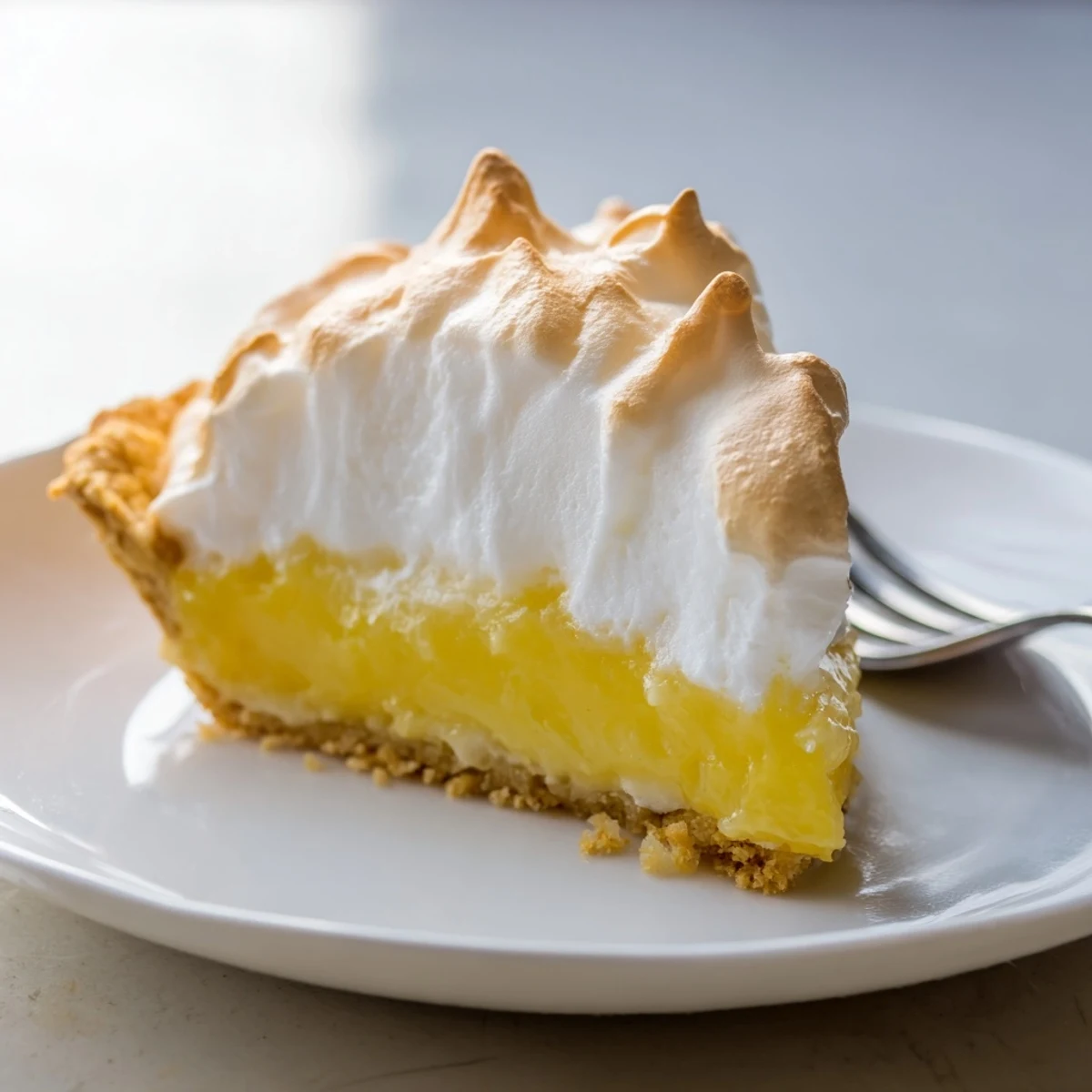
Save Prepare a buttery graham cracker crust and bake until golden. Whisk a bright lemon curd on the stove, tempering yolks for a silky texture. Top with fluffy meringue, toast to perfection, and chill thoroughly to ensure clean, refreshing slices.
The first time I made lemon meringue pie, I was trying to impress someone who claimed they didn't like desserts. I remember standing at the kitchen counter, squeezing lemon after lemon, and the bright, sharp smell filling the room. By the time I pulled that golden meringue from the oven, catching the afternoon light just right, I knew I'd stumbled onto something special—the kind of dessert that changes minds.
One summer afternoon, a neighbor stopped by just as the pie was cooling, and the aroma pulled her inside before she could even knock. We ended up sharing it with iced tea on the porch, and she asked for the recipe before the last slice was gone. That's when I realized this pie does something most desserts can't—it brings people together without trying too hard.
Ingredients
- Graham cracker crumbs (1 1/2 cups): These form the foundation—buttery and slightly sweet, they contrast beautifully with the tart filling without overpowering it.
- Granulated sugar (1 cup for filling): Balances the lemon's sharpness, but don't skip the zest even if you add more sugar.
- Cornstarch (1/4 cup): The secret thickener that keeps your filling silky, not runny or gelatinous.
- Freshly squeezed lemon juice (1/2 cup): This matters more than anything—bottled juice tastes flat and chemical by comparison.
- Lemon zest (2 tsp): Grate it fresh just before cooking; the oils are where the real lemon flavor lives.
- Egg yolks (4 large): They enrich the filling and create that custard-like texture that makes this pie memorable.
- Egg whites (4 large, room temperature): Room temperature whites whip into clouds much faster than cold ones.
- Cream of tartar (1/4 tsp): Stabilizes the meringue so it stays tall and glossy, not weeping or deflating after cooling.
- Unsalted butter (6 tbsp plus 2 tbsp): Use good butter; it's the difference between a crust that tastes like cardboard and one that tastes like buttery shortbread.
Instructions
- Build your crust:
- Mix graham cracker crumbs, sugar, melted butter, and salt until it resembles damp sand, then press it firmly into the pie dish—use the bottom of a measuring cup to pack it smooth and even. Bake at 350°F for 8–10 minutes until it smells toasted and the edges turn golden, then let it cool completely while you move on to the filling.
- Make the lemon custard:
- Whisk sugar, cornstarch, and salt together in a saucepan, then slowly pour in water and fresh lemon juice while whisking to avoid lumps. Cook over medium heat, stirring constantly, until the mixture bubbles and thickens—about 5–7 minutes—then let it cook one more minute so the cornstarch fully sets.
- Temper the egg yolks:
- Whisk your egg yolks in a small bowl, then slowly add about half a cup of that hot lemon mixture while whisking constantly—this prevents the yolks from scrambling. Pour the tempered yolks back into the saucepan and stir for 2 more minutes off the heat, then stir in butter until it melts completely into the filling.
- Pour and cool:
- Pour the filling into your cooled crust and let it sit at room temperature while you make the meringue. The filling will set slightly and create a seal between the crust and meringue.
- Whip the meringue:
- Beat egg whites with cream of tartar on medium speed until soft peaks form—you should be able to lift the beater and see peaks that curl over at the tips. Add sugar one tablespoon at a time, beating constantly, until the meringue turns glossy and stiff peaks hold their shape, then beat in vanilla.
- Bake and cool:
- Spread the meringue over the hot filling, making sure it touches the crust edges all around—this keeps it from shrinking. Bake at 350°F for 15–18 minutes until the peaks turn light golden, then let the pie cool completely at room temperature before refrigerating for at least 2 hours.
 Save
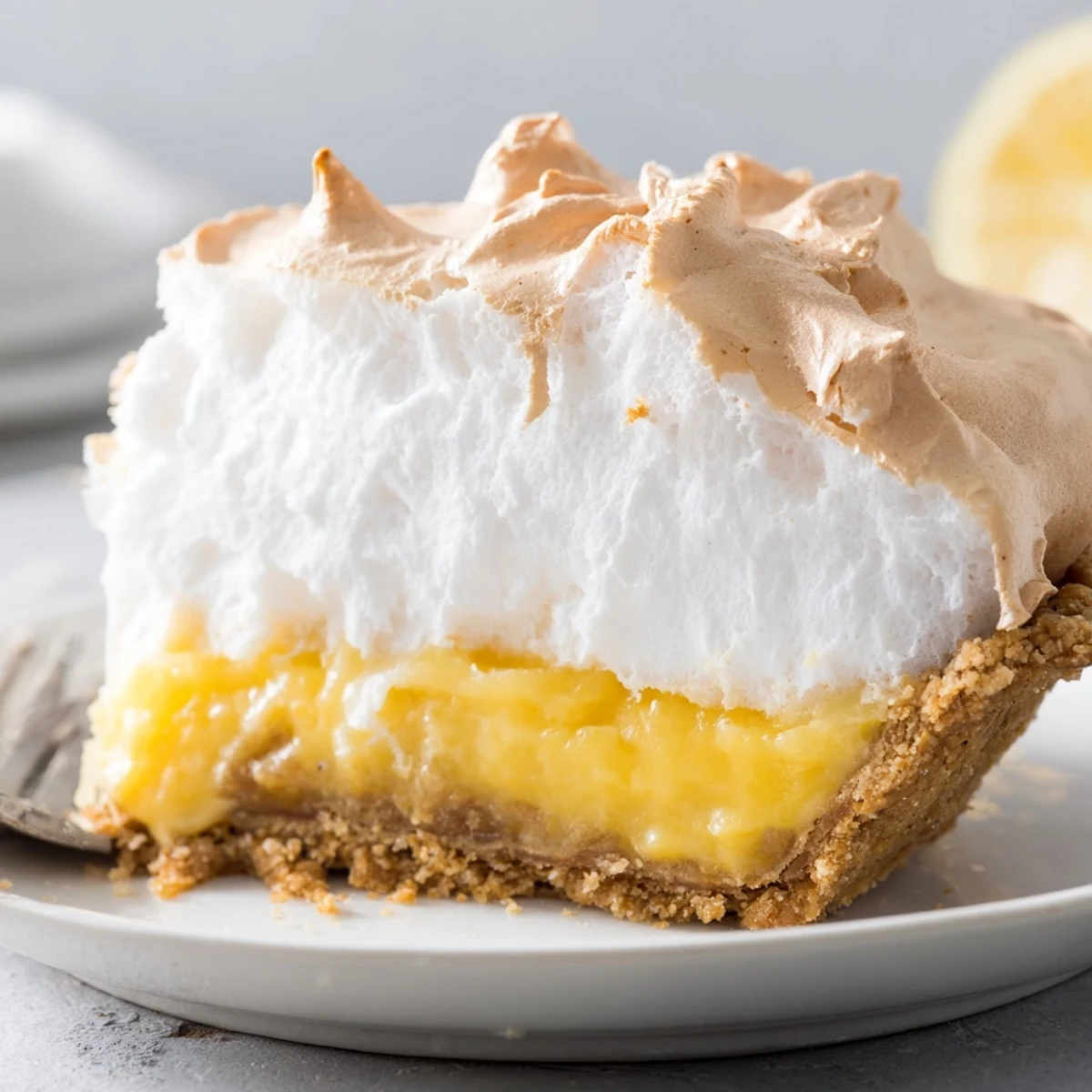
Save I learned the hard way that meringue shrinking is heartbreaking—I've salvaged many pies by pressing the meringue right to the crust edges with the back of a spatula. Now it's become part of the ritual, like making sure the filling cools before the meringue goes on top.
Why the Crust Matters
A homemade graham cracker crust is easier than pie crust and tastes infinitely better than store-bought. The butter and slight sweetness create something that tastes like shortbread, a sturdy foundation that won't get soggy even with the wet filling sitting on top.
The Science Behind the Perfect Filling
Cornstarch thickens without the grainy texture you'd get from flour, and the egg yolks add richness while creating that custard texture people dream about. Tempering the yolks is the one step that feels finicky but is actually just protecting them from scrambling—one minute of patience now prevents a filling full of bits later.
Meringue Magic and Timing
Meringue is temperamental but not mysterious—it's just whipped egg whites with sugar, and the secret is beating it to glossy stiff peaks so it doesn't weep or deflate. Spreading it over hot filling helps it cook through completely, and cooling slowly at room temperature prevents that cracking that happens when meringue goes from oven heat straight into cold air.
- Slice with a hot, wet knife for clean pieces instead of sticky, messy ones.
- Serve chilled with Earl Grey tea or a glass of cold white wine for an elegant finish.
- Make this pie up to 2 days ahead; it actually improves as flavors meld overnight.
 Save
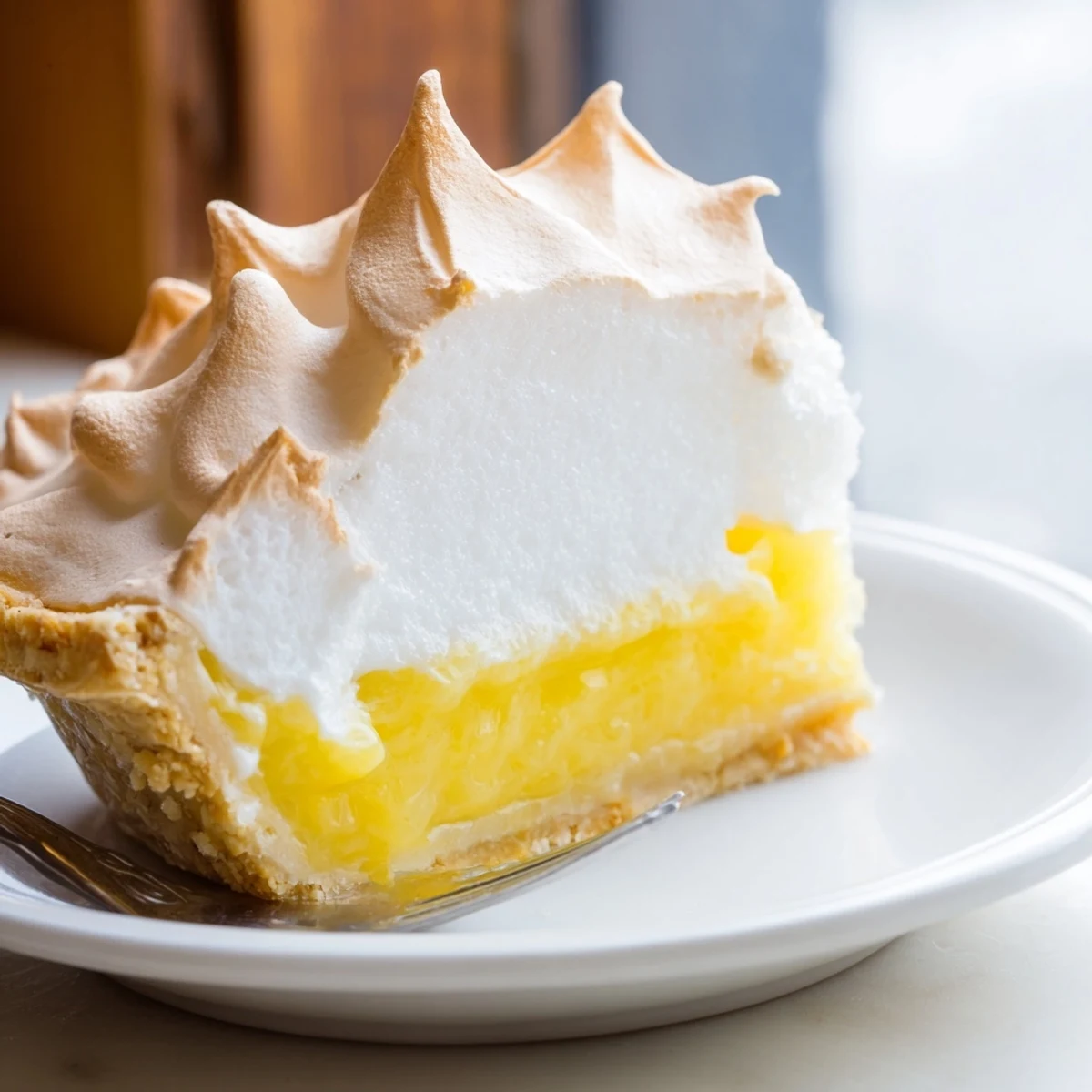
Save This lemon meringue pie is the kind of dessert that stays in people's memories long after the plate is empty. Make it once, and you'll understand why it's been loved for generations.
Recipe FAQs
- → How do I prevent the meringue from weeping?
-
Spread the meringue over the hot filling and ensure it seals completely to the edges of the crust to prevent shrinking and moisture release.
- → Can I use bottled lemon juice?
-
Freshly squeezed lemon juice provides the best bright flavor, but high-quality bottled juice can be used in a pinch.
- → How long must the pie chill before serving?
-
The pie requires at least 2 hours in the refrigerator to set completely for clean, neat slices.
- → Why did my meringue pull away from the crust?
-
This usually happens if the meringue does not touch the crust; spreading it to the edges creates a seal that prevents it from shrinking.
- → Is this dessert difficult to make?
-
It requires a few steps like tempering eggs and whipping meringue, but the process is straightforward for confident home cooks.