
 Save
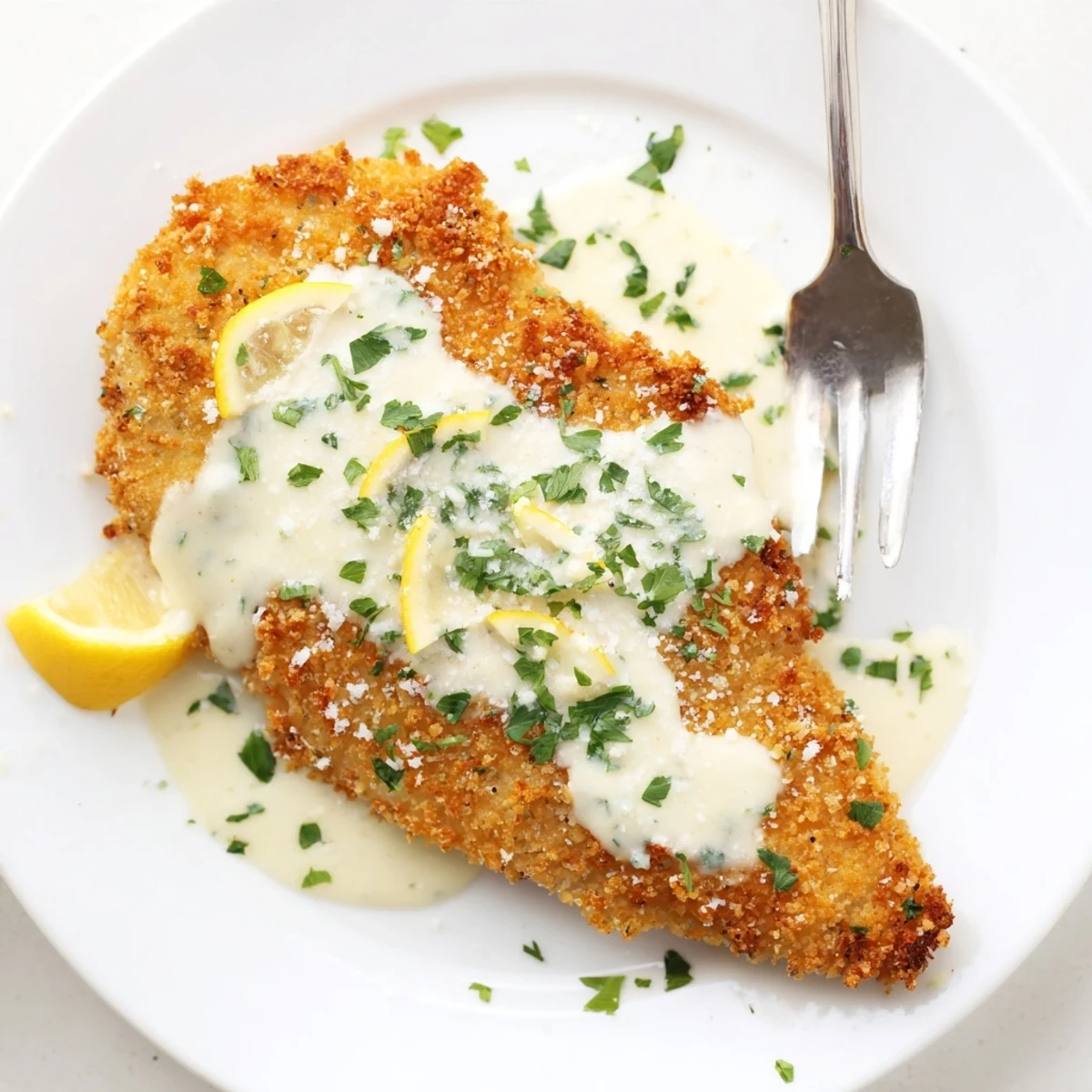
Save Dry and season boneless breasts, then dredge in flour, egg wash, and a lemon-pecorino-panko mixture for a crisp, flavorful coating. Bake at 400°F until golden and the internal temperature reaches 165°F. Meanwhile, sauté garlic, then simmer cream, chicken broth, lemon and grated pecorino until slightly thickened. Spoon the silky lemon sauce over the finished chicken, garnish with parsley, and serve with steamed vegetables or a fresh salad.
The zing of freshly grated lemon zest still lingers in my mind from the first time I trialed this recipe, mostly out of curiosity and with a fridge full of leftover Pecorino. There was a sharp brightness in the air that morning, and something about whisking together eggs while sunlight spilled across the countertop loosened my usual anxiety around new dishes. I didn’t expect the crackle of the crust as the chicken came out of the oven to be so distinctly satisfying. My kitchen filled with the promise of an Italian trattoria, minus the airfare.
One rainy Saturday, my roommate wandered in as I was muddling through the dredging—piling breadcrumbs over everything and humming along to some jazz. She stole a crunchy piece right off the tray and declared it tasted like something from a proper Italian restaurant. Later, we perched on stools, dipping hunks of chicken into extra sauce and being quietly grateful neither of us had to go out in the storm.
Ingredients
- Chicken Breasts: Opt for even, similar-sized pieces so they cook uniformly—pat them dry for the best golden crust.
- Pecorino Romano: Its bold, tangy flavor is what takes the crust from everyday to seriously special—use it freshly grated for the best melt.
- Panko Breadcrumbs: These give you that craggy, light crunch that regular breadcrumbs can’t match—toast lightly if you want extra flavor.
- Lemons: The zest goes into the crust and the juice into the sauce—use unwaxed lemons for the most fragrant, fresh zing.
- Fresh Parsley: It brightens both the crust and the final garnish—chop it just before using to keep it vibrant.
- Eggs and Milk: This duo is your secret to helping every bit of crispy coating stick—whisk until no streaks remain for best coverage.
- All-Purpose Flour: The base for dredging, so the egg has something to cling to—shake off any excess for thin, even coverage.
- Unsalted Butter: Used in the sauce for extra richness—it’s best to start with unsalted, then season to taste.
- Garlic: Just a couple cloves get sautéed at the start for a mellow background warmth—mince them finely so they melt right in.
- Heavy Cream: This is where the sauce gets its lush, silky character—let it come to room temperature so it doesn’t seize.
- Chicken Broth: Adds balance and depth, keeping the sauce lighter than straight cream—go for a low-sodium variety so you control seasoning.
Instructions
- Get the Oven Ready:
- Crank the oven up to 400°F and line your baking sheet with parchment—this keeps cleanup stress-free and helps with crisping.
- Season and Prep Chicken:
- Pat each chicken breast dry and season both sides with salt and pepper—this is your foundation for flavor and crunch.
- Set Up Dredging Stations:
- Arrange three shallow bowls: one with flour, one with whisked eggs and milk, and a third with panko, Pecorino, lemon zest, and parsley—line them up for a smooth, assembly-line process.
- Crust the Chicken:
- Dip each breast in flour first, then egg, then thoroughly coat in the lemony breadcrumb mixture—press gently to help it stick, letting the extra fall away each time.
- Transfer and Drizzle:
- Lay the coated chicken breasts on the prepared sheet and mist or drizzle lightly with olive oil—this helps that crust reach peak golden crunchiness as it bakes.
- Bake to Perfection:
- Pop into the oven for about 20 to 25 minutes, until the outside is beautifully golden and an internal temp reads 165°F—no peeking early so the crust can really crisp up.
- Sauce Time:
- While the chicken bakes, melt your butter in a saucepan over medium heat, then stir in garlic—let it go just until fragrant, never browned.
- Creamy Base:
- Pour in the heavy cream and broth, and let the whole thing simmer gently—your kitchen will start to smell incredible at this point.
- Lemon Lift:
- Stir in fresh lemon juice, more Pecorino, lemon zest, and seasoning—cook just a few minutes more, stirring, until it softly thickens.
- Final Touches:
- Taste and adjust salt and pepper, then take the sauce off the heat—it should coat the back of a spoon, rich but pourable.
- Serve and Garnish:
- Spoon over the chicken and shower with fresh parsley; plate up quickly so you can enjoy it while still hot and crisp.
 Save
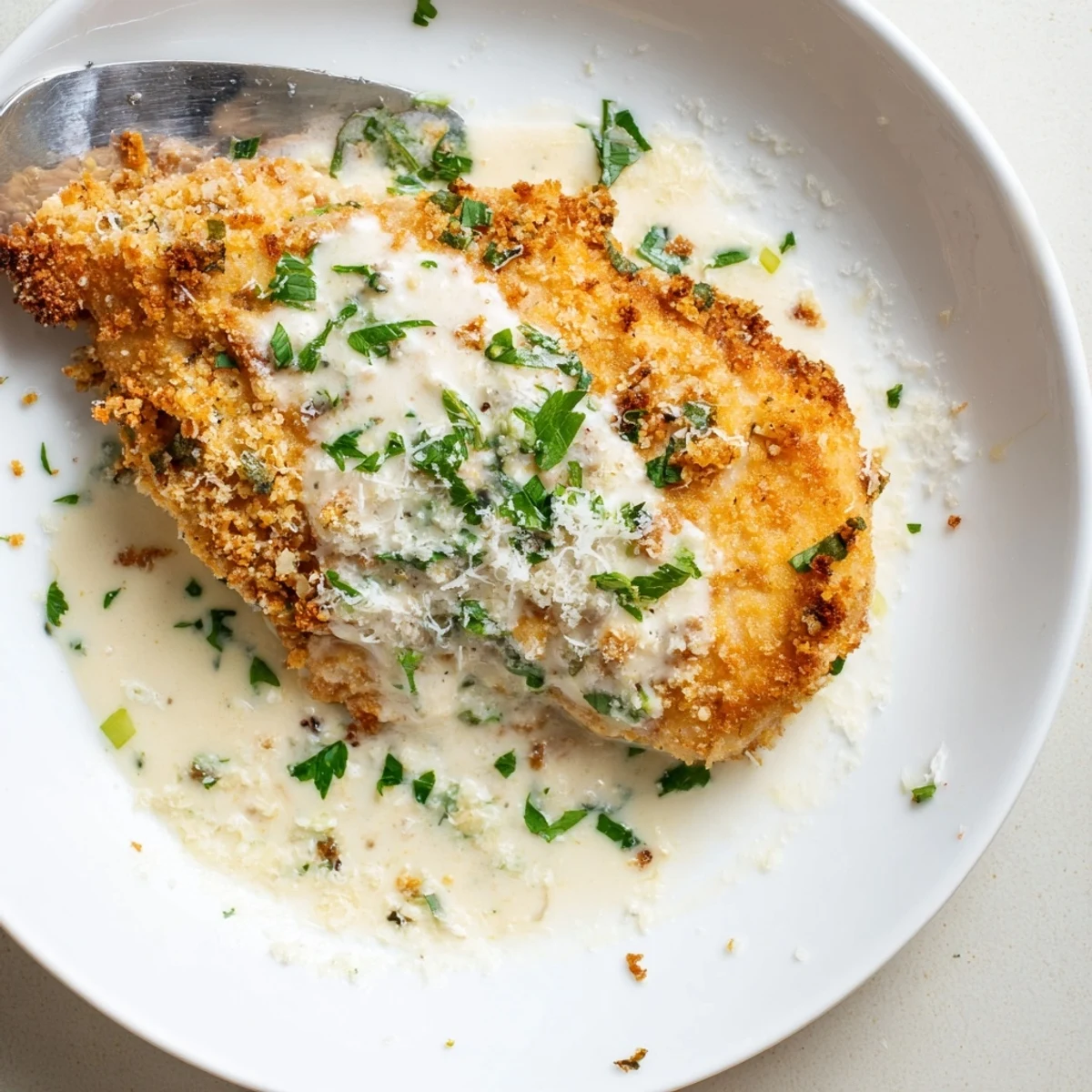
Save I’ll never forget serving this to my parents when they visited unexpectedly—my dad, usually sparing with compliments, called it better than any restaurant. We lingered over our plates, dipping each bite and sharing stories long after the meal was over. Something about the sunny flavors cut through the chill of that winter afternoon, warming more than just the room.
What to Serve on the Side
A bed of simple steamed vegetables—especially broccolini or green beans—makes the perfect contrast to the rich sauce. I find that a sharply dressed arugula salad does wonders to lighten each forkful. Crusty bread, should you have some, is a wise and welcome addition for scooping up every last bit of sauce.
Kitchen Gear Tips
If you don’t have parchment, a well-oiled baking sheet works in a pinch, though the crust sticks a little more. A wide, flat whisk is magical for lump-free sauce. For the crispiest result, spread the chicken pieces out so they aren’t touching—crowding is the enemy of crunch.
Finishing Touches and Troubleshooting
If the sauce splits or thickens too much, whisk in a splash of warm broth to rescue it. Freshly grated cheese melts more smoothly in both the crust and sauce than pre-grated—trust me, it matters. Don’t forget to taste as you go; little tweaks make the end result yours.
- If using leftover sauce, try it over roasted veggies the next day.
- Swap parsley for basil or chives if you’re running low.
- Bake immediately after coating—waiting can make the crust soggy.
 Save
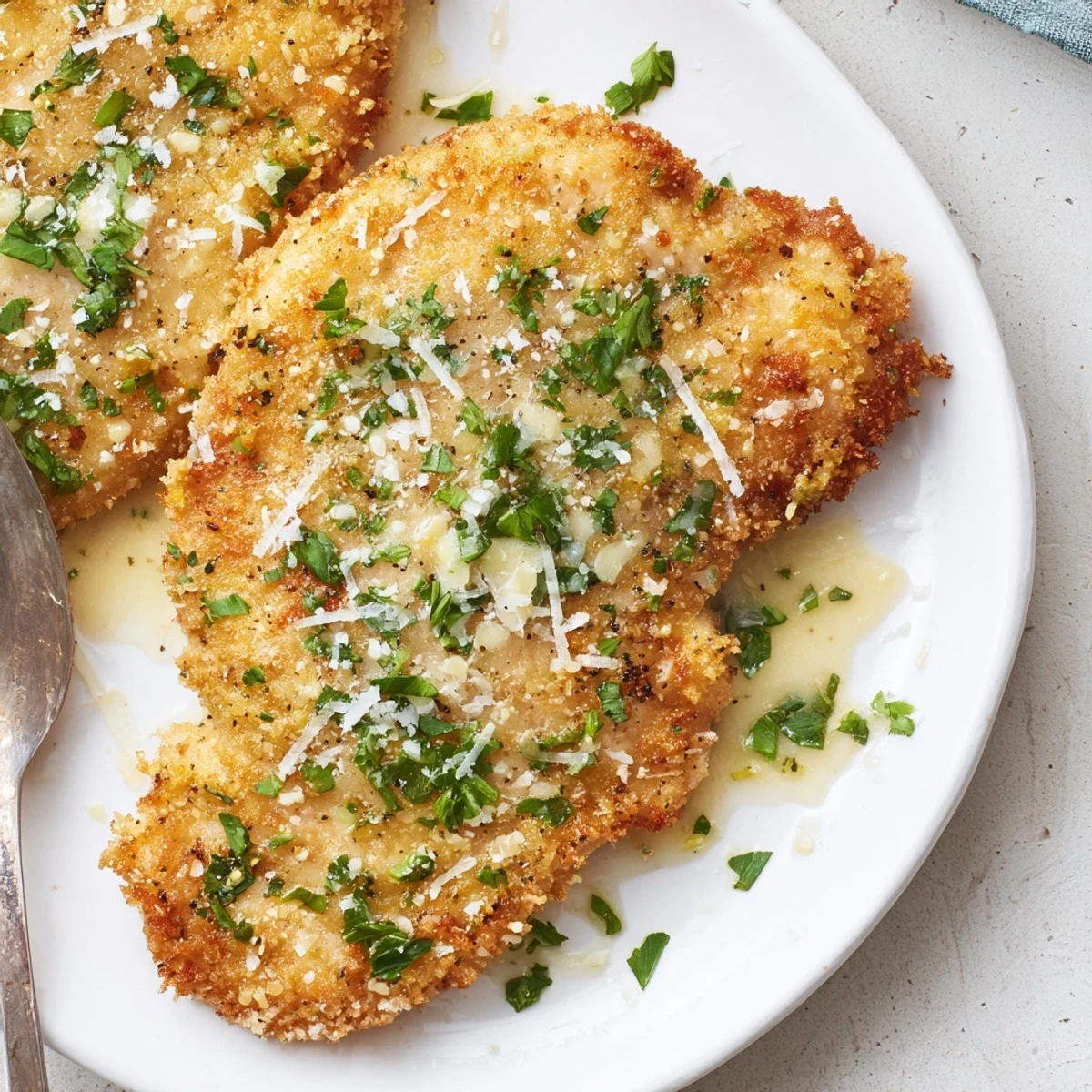
Save This Lemon Pecorino Crusted Chicken is one of those dishes that brings delight with little effort, even when you’re cooking just for yourself. Don’t be surprised if it makes regular appearances whenever you crave something both comforting and bright.
Recipe FAQs
- → How do I get the crust extra crisp?
-
Press the pecorino-panko mixture firmly onto the chicken, use panko for texture, preheat the oven, and lightly drizzle oil over the crust. A brief blast under the broiler at the end can help achieve a deeper golden color—watch closely to avoid burning.
- → Can I pan-fry the coated chicken instead of baking?
-
Yes. Sear in a skillet over medium-high heat in a mix of oil and butter until golden, then finish in a 350°F oven until the center reaches 165°F to ensure even cooking without overbrowning the crust.
- → What’s the best way to keep the chicken juicy?
-
Choose even-thickness breasts or pound them slightly, avoid overcooking by using an instant-read thermometer, and let the chicken rest 5 minutes after cooking so the juices redistribute.
- → My lemon cream sauce is too thin—how can I thicken it?
-
Simmer gently a few extra minutes to reduce and concentrate flavors, or whisk in a small amount of grated pecorino off heat to add body. Avoid boiling once cream is added to prevent separation.
- → Are there easy substitutions for pecorino or gluten ingredients?
-
Swap Parmesan for pecorino for a milder cheese. For gluten-free, use certified gluten-free breadcrumbs and flour; the texture will be slightly different but still flavorful.
- → What are good side dishes and wine pairings?
-
Serve with steamed vegetables, roasted potatoes, or a crisp green salad. A chilled Pinot Grigio or other light, citrus-friendly white wine complements the lemon and cheese flavors.