
 Save
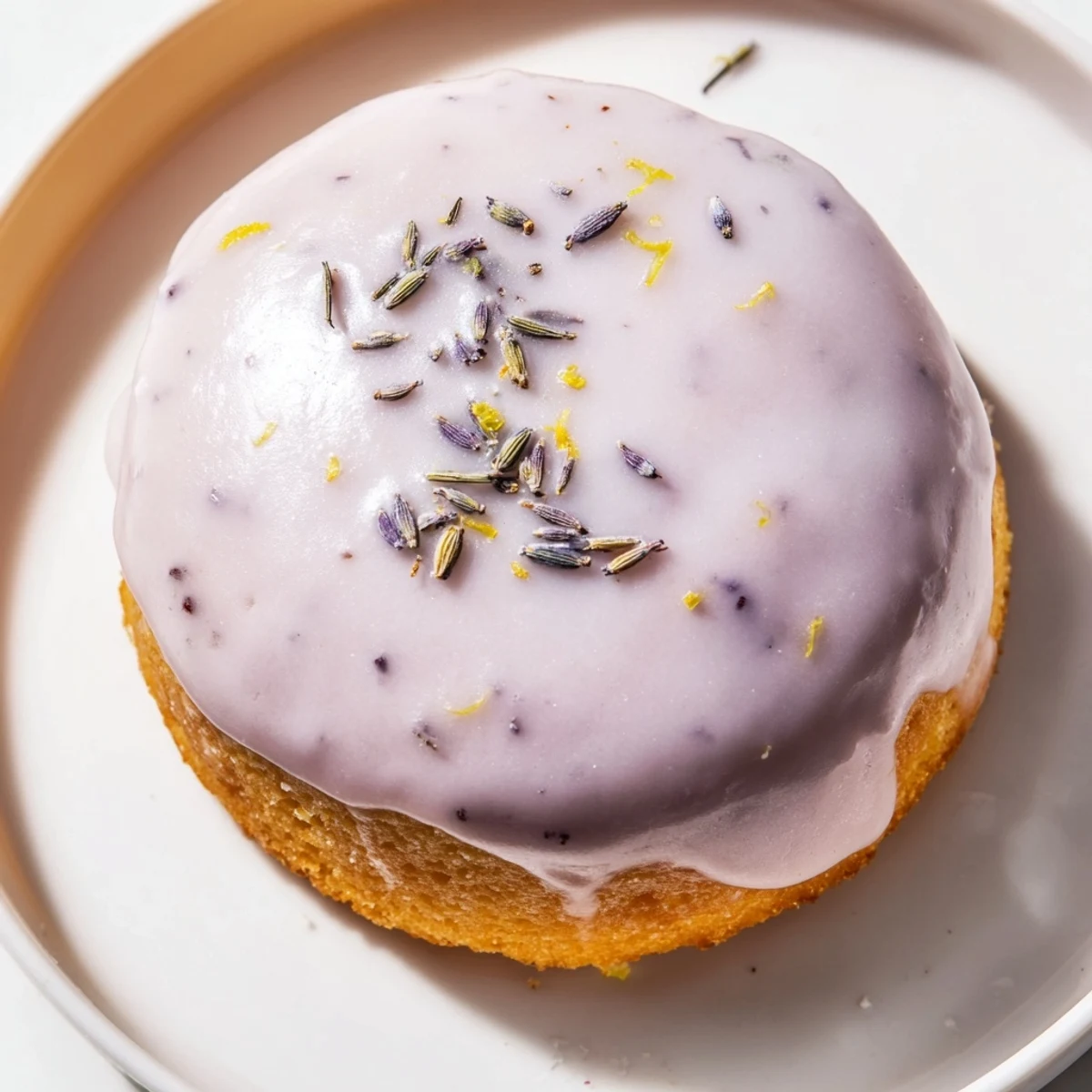
Save These tender mini lemon cakes are topped with an aromatic lavender-infused glaze that balances bright citrus with floral sweetness. Made with simple pantry staples — flour, butter, eggs, fresh lemon juice, and zest — the cakes come together in under 40 minutes total. The glaze combines powdered sugar with ground culinary lavender for a delicate, fragrant finish that elevates each bite. They yield 12 individual portions, making them ideal for serving at afternoon tea, brunch gatherings, or as a refined dessert alongside sparkling wine.
A friend once brought back a tiny jar of culinary lavender from a Provence market and I had absolutely no idea what to do with it until a rainy Sunday pushed me toward the oven. The kitchen filled with this unfamiliar floral sweetness and I remember standing there thinking this either works beautifully or I just ruined twelve perfectly good cakes.
I made a batch for my neighbor's birthday afternoon tea and watched her take that first bite with her eyes closed. She said nothing for a long moment and then just whispered that the lavender reminded her of her grandmother's garden in Lyon.
Ingredients
- All-purpose flour (130 g): The structural backbone here so measure carefully because too much flour is what turns tender cakes into dense little hockey pucks
- Granulated sugar (100 g): Sweetens and tenderizes the crumb and I have found that slightly packing the measuring cup gives the best texture
- Unsalted butter (60 g), softened: Must be genuinely soft to the touch but not melty or your cakes will spread and lose their pretty domed shape
- Large eggs (2): Room temperature eggs incorporate so much more smoothly into the batter than cold ones pulled straight from the fridge
- Milk (60 ml): Whole milk gives the softest crumb but I have used oat milk in a pinch and it still worked nicely
- Fresh lemon juice (2 tbsp): Brightens everything and reacts with the baking soda for a little extra lift so please use real lemons not the bottle
- Lemon zest (1 tbsp): This is where all the fragrant lemon oil lives so zest right down to the pith to get every bit of flavor
- Baking powder (1/2 tsp): Provides the primary rise and keeps the texture light and pillowy
- Baking soda (1/4 tsp): Teams up with the lemon juice for additional lift and a slightly warmer color
- Fine salt (1/4 tsp): Enhances every other flavor especially the lavender so do not skip it thinking this is a sweet recipe
- Vanilla extract (1/2 tsp): Rounds out the sharp edges of lemon and lavender and makes the flavor feel complete
- Powdered sugar (120 g), sifted: Sifting is nonnegotiable here because lumps will leave specks in your otherwise silky glaze
- Whole milk (1 1/2 tbsp) for glaze: Controls the glaze consistency so add it gradually until you reach that perfect thick but pourable state
- Culinary lavender buds (1/2 tsp), finely ground: Culinary grade is essential because craft store lavender may contain pesticides and absolutely grind it finely to avoid gritty texture
- Fresh lemon juice (1 tbsp) for glaze: Adds one more layer of brightness that balances the floral sweetness of the lavender perfectly
Instructions
- Preheat and prepare your pan:
- Set your oven to 350°F (175°C) and generously grease every cavity of your mini cake pan. I rub softened butter in with my fingers because it reaches every corner better than a spray.
- Cream the butter and sugar:
- Beat the softened butter and granulated sugar together until the mixture turns pale and looks almost fluffy like frosting. This usually takes about three minutes with an electric mixer and you will hear the texture change as it aerates.
- Add the wet ingredients:
- Drop in the eggs one at a time and mix until each disappears completely before adding the next. Stir in the lemon zest, lemon juice, and vanilla and watch the batter turn a beautiful pale yellow.
- Whisk the dry ingredients:
- In a separate bowl combine the flour, baking powder, baking soda, and salt with a whisk to distribute everything evenly. This small step prevents pockets of baking soda in the finished cakes.
- Combine wet and dry:
- Add the dry mixture in three parts alternating with the milk in two parts, starting and ending with the flour. Stop mixing the instant you see no more dry flour because overmixing is the number one enemy of tenderness.
- Fill the molds:
- Divide the batter among the twelve molds filling each about three quarters full. A cookie scoop makes this portioning so much easier and more consistent than using spoons.
- Bake and cool:
- Bake for 16 to 18 minutes until a toothpick comes out clean and the tops are lightly golden. Let them rest in the pan for five minutes then move them to a wire rack because leaving them in the hot pan too long makes the bottoms steamy and soggy.
- Make the lavender glaze:
- Whisk the sifted powdered sugar, milk, finely ground lavender, and lemon juice together until completely smooth. The consistency should coat the back of a spoon and slowly drip off in a thick ribbon.
- Glaze and garnish:
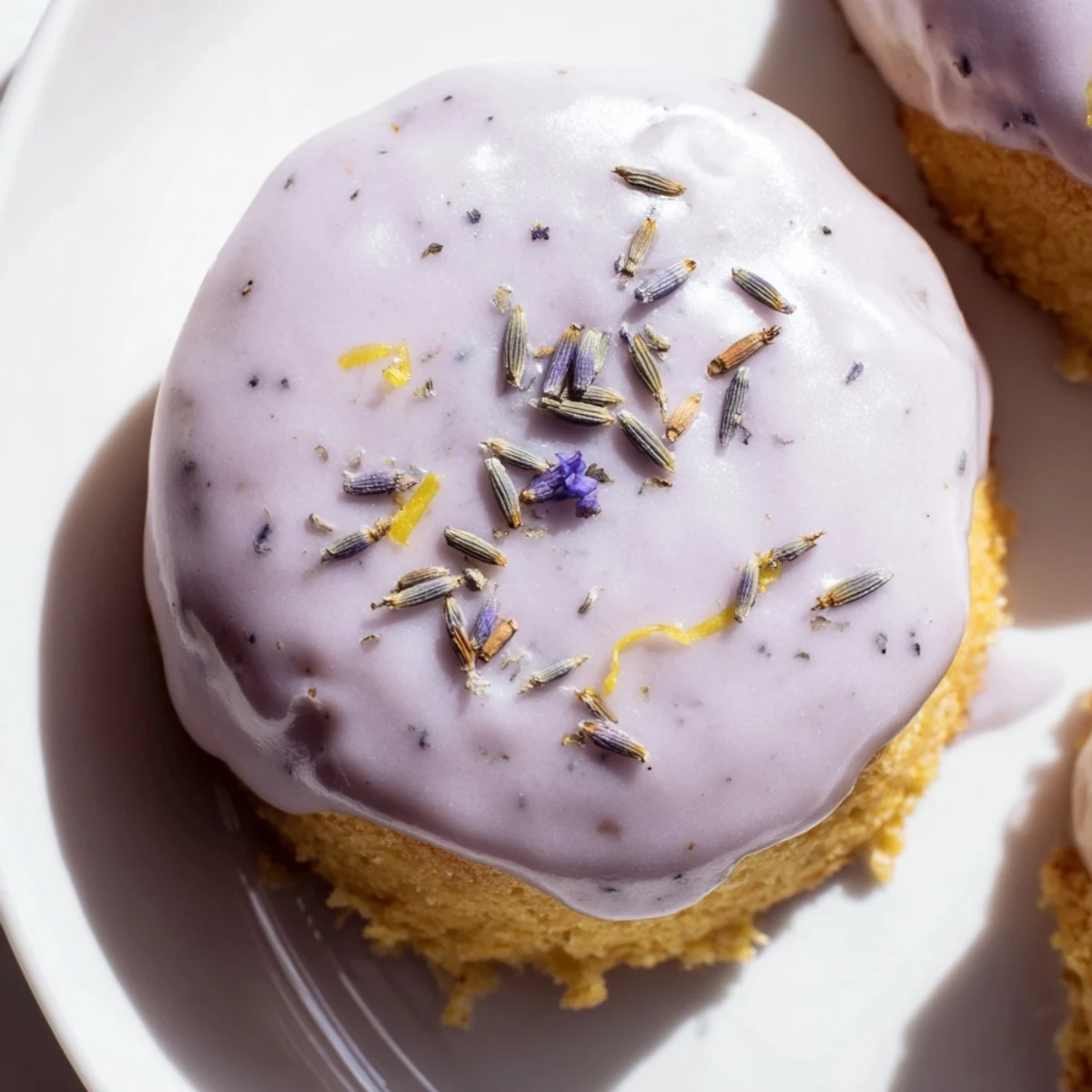
- Drizzle the glaze over the completely cooled cakes letting it run down the sides naturally. Scatter a few whole lavender buds or tiny strips of lemon zest on top if you want that extra visual touch.
 Save
Save My mother in law quietly ate three of these at a dinner party once and later pulled me aside to ask for the recipe. She is not someone who asks for recipes so that felt like a small victory.
Choosing the Right Lavender
Not all lavender is created equal and I learned this the hard way after buying dried lavender from a craft store that tasted like soap. Look for culinary grade specifically English lavender varieties like Hidcote or Munstead which have a sweeter more delicate flavor than the sharper French types.
Getting the Glaze Consistency Right
The glaze is deceptively tricky because even a half teaspoon too much milk turns it from a thick drizzle into a thin wash that barely coats the cake. I always start with less liquid and add drop by drop until it reaches that perfect slow drip consistency.
Make Ahead and Storage
These cakes store beautifully unglazed in an airtight container at room temperature for up to two days which makes them ideal for weekend meal prep. The glaze does not hold up well in the fridge so always apply it right before serving for the best presentation and texture.
- Freeze unglazed cakes in a single layer then transfer to a freezer bag for up to one month
- Thaw frozen cakes at room temperature still wrapped so condensation forms on the wrapper not the cake surface
- A sprinkle of fresh lemon zest right before serving wakes up any flavors that mellowed overnight
 Save
Save These little cakes have a way of turning an ordinary afternoon into something that feels like a small celebration. Sometimes that is exactly what you need.
Recipe FAQs
- → Can I use dried lavender from my garden?
-
Only use culinary-grade lavender buds labeled safe for consumption. Garden lavender may have been treated with pesticides or lack the mild, sweet flavor needed for baking.
- → How do I prevent the glaze from being too runny?
-
Add powdered sugar one tablespoon at a time until the glaze reaches a thick yet pourable consistency. If it becomes too thick, stir in milk a few drops at a time.
- → Can I make these ahead of time?
-
Yes. Bake the mini cakes and store them unglazed in an airtight container for up to two days. Add the lavender glaze shortly before serving for the freshest flavor and texture.
- → What pairs well with these mini cakes?
-
They pair beautifully with hot black or herbal tea, Earl Grey in particular, as well as a glass of prosecco or sparkling wine for a more festive occasion.
- → Can I substitute the all-purpose flour?
-
A 1:1 gluten-free baking flour blend can work, though the texture may be slightly denser. Results vary by brand, so test a small batch first.
- → How can I intensify the lavender flavor?
-
Warm the milk for the glaze with lavender buds, let it steep for 10 minutes, then strain before whisking with powdered sugar and lemon juice.