
 Save
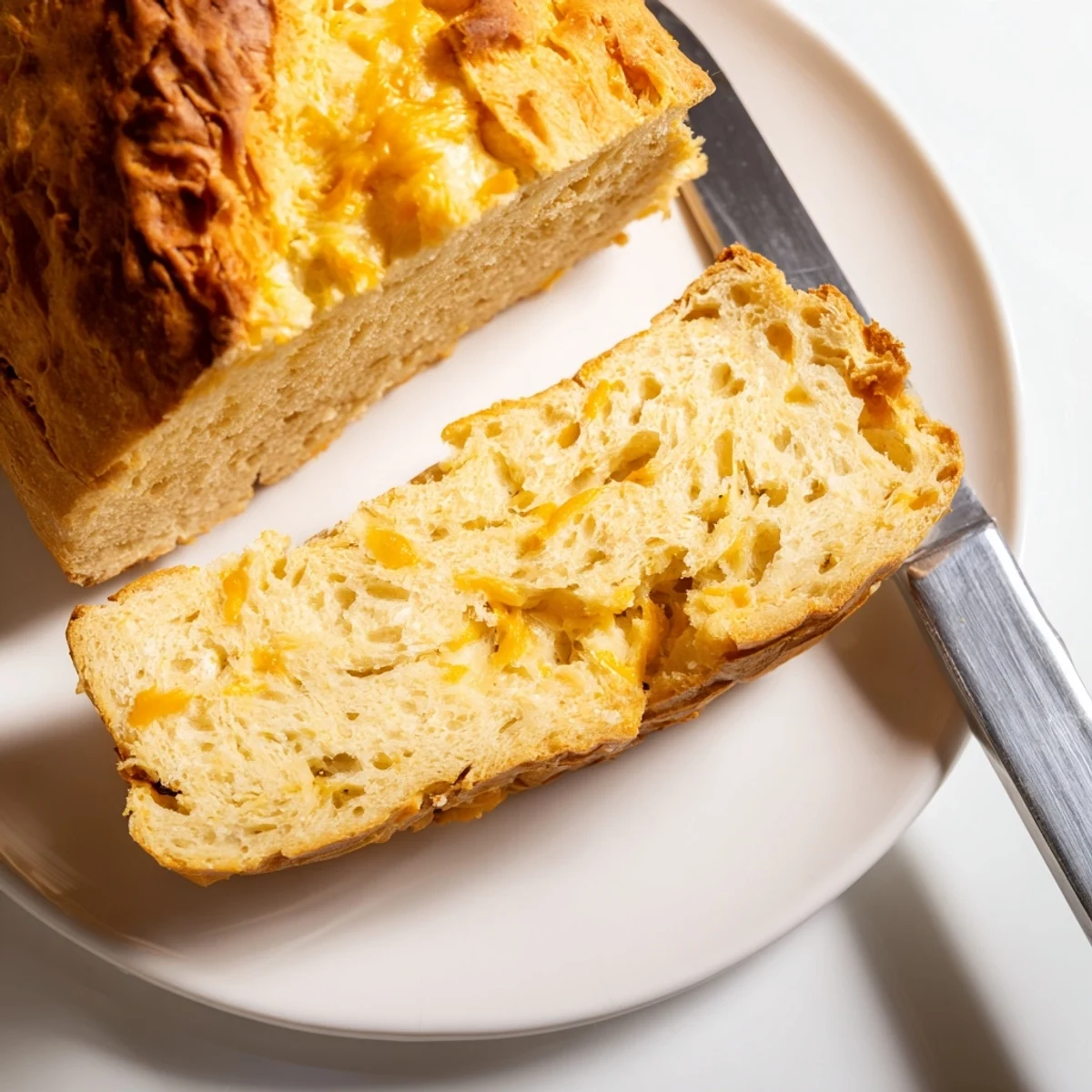
Save This no-knead cheddar bread delivers a rustic, golden loaf with an irresistibly crisp crust and tender, cheesy interior. Simply mix flour, salt, yeast, and sharp cheddar with lukewarm water, then let rise for 3-4 hours. Bake in a preheated Dutch oven for that professional bakery finish. The result is a versatile loaf perfect for sandwiches, toasting, or pairing with your favorite soup.
The first time I pulled this bread from the oven, my entire apartment smelled like a cheese shop in the best way possible. I'd spent most of the day running errands, barely giving a thought to the dough resting quietly on my counter. When I finally lifted that Dutch oven lid, the crust was singing with little crackling sounds, and the golden color was deeper than I'd expected. My roommate wandered in from her room, drawn by the aroma, and we ended up eating half the loaf warm with nothing but butter.
Last winter, I started making this bread every Sunday without fail. My neighbor would text me mid afternoon asking if it was bread day because she could smell it through our shared wall. We'd sit at my kitchen table with warm slices and talk about everything coming up in the week ahead. Those afternoons became something I looked forward to more than I ever expected from something so simple.
Ingredients
- 3 cups all purpose flour: I've used bread flour when that's what I had on hand, and it creates a slightly chewier texture that's also wonderful
- 1½ teaspoons salt: Don't be tempted to reduce this amount since the salt balances all that rich cheese flavor
- ½ teaspoon instant yeast: The long rise time means you don't need much yeast to develop great flavor
- 1½ cups sharp cheddar cheese grated: I've learned the hard way that pre shredded cheese doesn't melt nearly as well as blocks you grate yourself
- 1¼ cups lukewarm water: The water should feel comfortable to touch like bath temperature, not hot or cold
Instructions
- Mix your dough:
- Whisk the flour, salt, and yeast in a large bowl, then add the cheddar and toss until evenly distributed before pouring in the water
- Combine everything:
- Stir with a wooden spoon until the flour disappears and you have a shaggy, sticky mess that looks a bit doubtful
- Let it rise:
- Cover tightly and walk away for 3 to 4 hours until the dough has doubled and bubbles dot the surface
- Heat your pot:
- Preheat the oven to 450°F and put your Dutch oven inside to heat for at least 30 minutes while the dough rests
- Shape the loaf:
- Turn the dough onto a floured surface, fold it into a rough round, and place on parchment for a 20 to 30 minute rest
- Bake covered:
- Transfer the dough into the hot pot, cover, and bake for 30 minutes to create steam for that crisp crust
- Finish baking:
- Remove the lid and bake another 10 to 15 minutes until deeply golden and the loaf sounds hollow when tapped
 Save
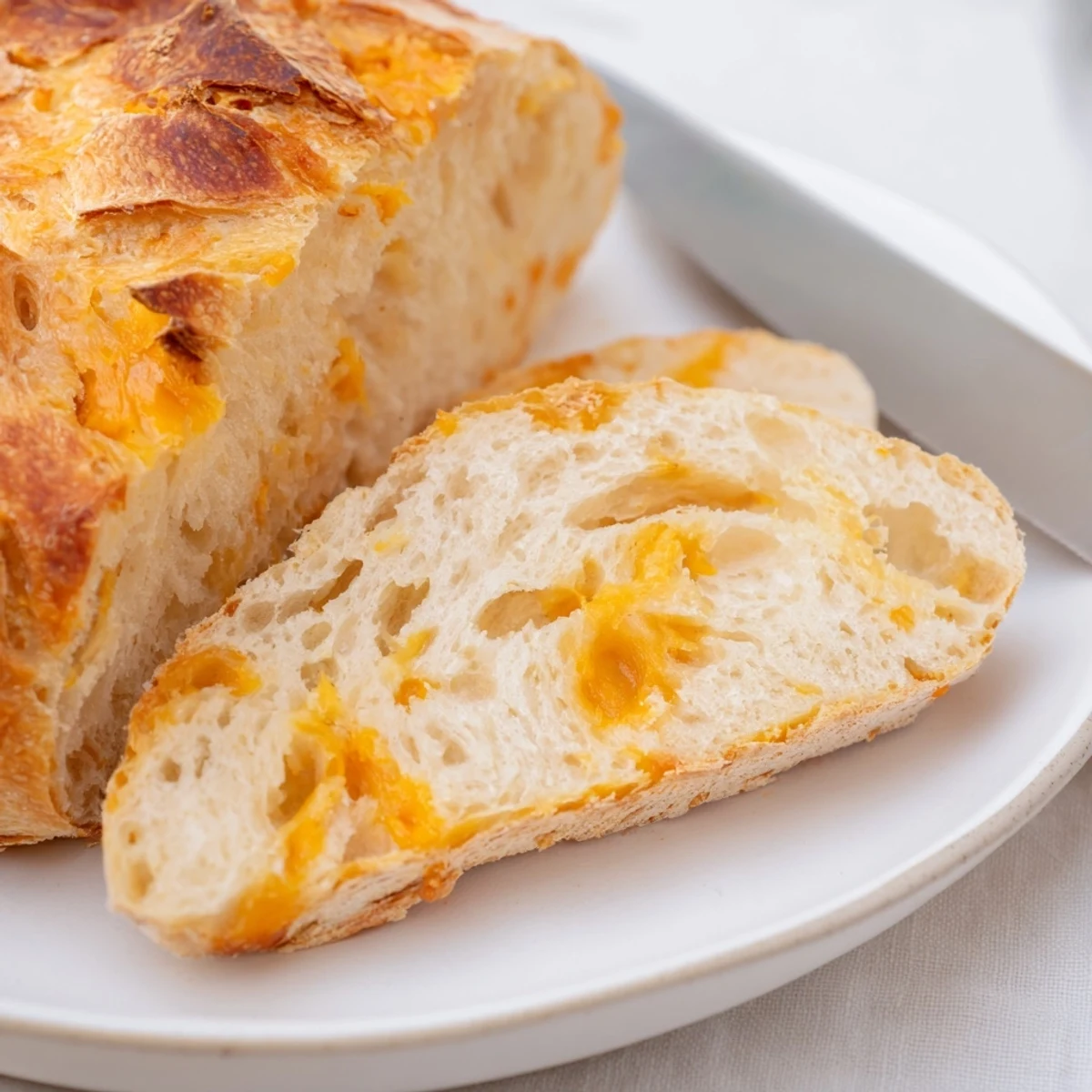
Save This recipe became my go to gift when friends needed something comforting. I've dropped off warm loaves on doorsteps during tough weeks and brought it to countless potlucks where it disappeared first. Food feels different when you've made it yourself, and bread especially has this way of saying I care without using any words at all.
The Cheese Question
Sharp cheddar gives you the most pronounced flavor but I've experimented with all sorts of combinations. Sometimes I do half cheddar and half gruyère for a nuttier note that pairs beautifully with tomato soup. A friend who makes this regularly mixes in parmesan for extra umami depth. Just stick to about 1½ cups total and grate it yourself from blocks for the best melting behavior.
Timing Your Rise
The dough needs 3 to 4 hours at room temperature but I've learned this works surprisingly well with my schedule. I mix it up after breakfast, run errands, and bake in late afternoon. If you're home all day, you can even let it rise longer for more developed flavor. The dough is quite forgiving and won't overproof easily in that timeframe.
Getting Creative
This is one of those recipes that welcomes improvisation once you've made it a few times. I've added fresh herbs, swapped in different cheeses, and even included caramelized onions for a sweet savory twist. The basic method stays the same regardless what you mix in.
- Fresh herbs like rosemary or thyme should be chopped finely and tossed with the dry ingredients
- A diced jalapeño or pinch of red pepper flakes adds just enough heat to make it interesting
- Minced garlic rubbed into the dough during shaping creates these pockets of aromatic flavor
 Save
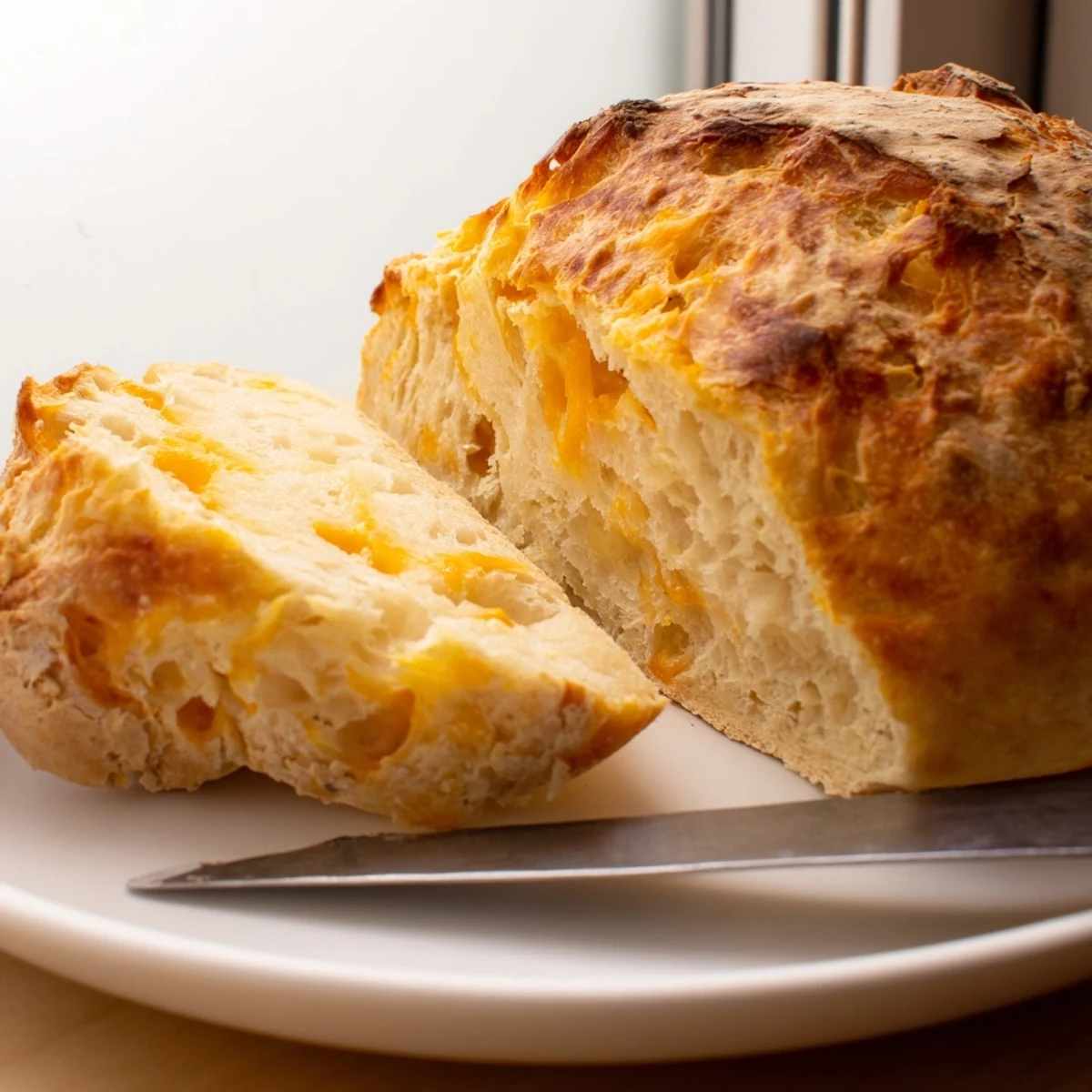
Save There's something almost magical about transforming flour, water, and cheese into bread with your own hands. It might become the kind of recipe you return to again and again, finding comfort in its reliable simplicity.
Recipe FAQs
- → Why use a Dutch oven for baking?
-
A Dutch oven creates steam inside the pot, which helps develop a crisp, golden crust while keeping the crumb moist and tender. It mimics professional steam-injected ovens.
- → Can I use other cheese varieties?
-
Absolutely. Sharp cheddar provides the best flavor, but you can experiment with smoked gouda, gruyère, or a blend of cheeses. Just keep the total amount the same.
- → How do I know when the bread is done?
-
The crust should be deep golden brown, and the loaf should sound hollow when tapped on the bottom. An instant thermometer inserted into the center should read 200°F.
- → Can I add herbs or other flavors?
-
Yes. Fresh herbs like chives, rosemary, or thyme work wonderfully. You can also add chili flakes for heat or swap some cheddar for smoked cheese.
- → How should I store leftovers?
-
Wrap tightly at room temperature for up to 2 days. For longer storage, slice and freeze in a sealed bag. To refresh, warm in a 350°F oven for 10 minutes.