
 Save
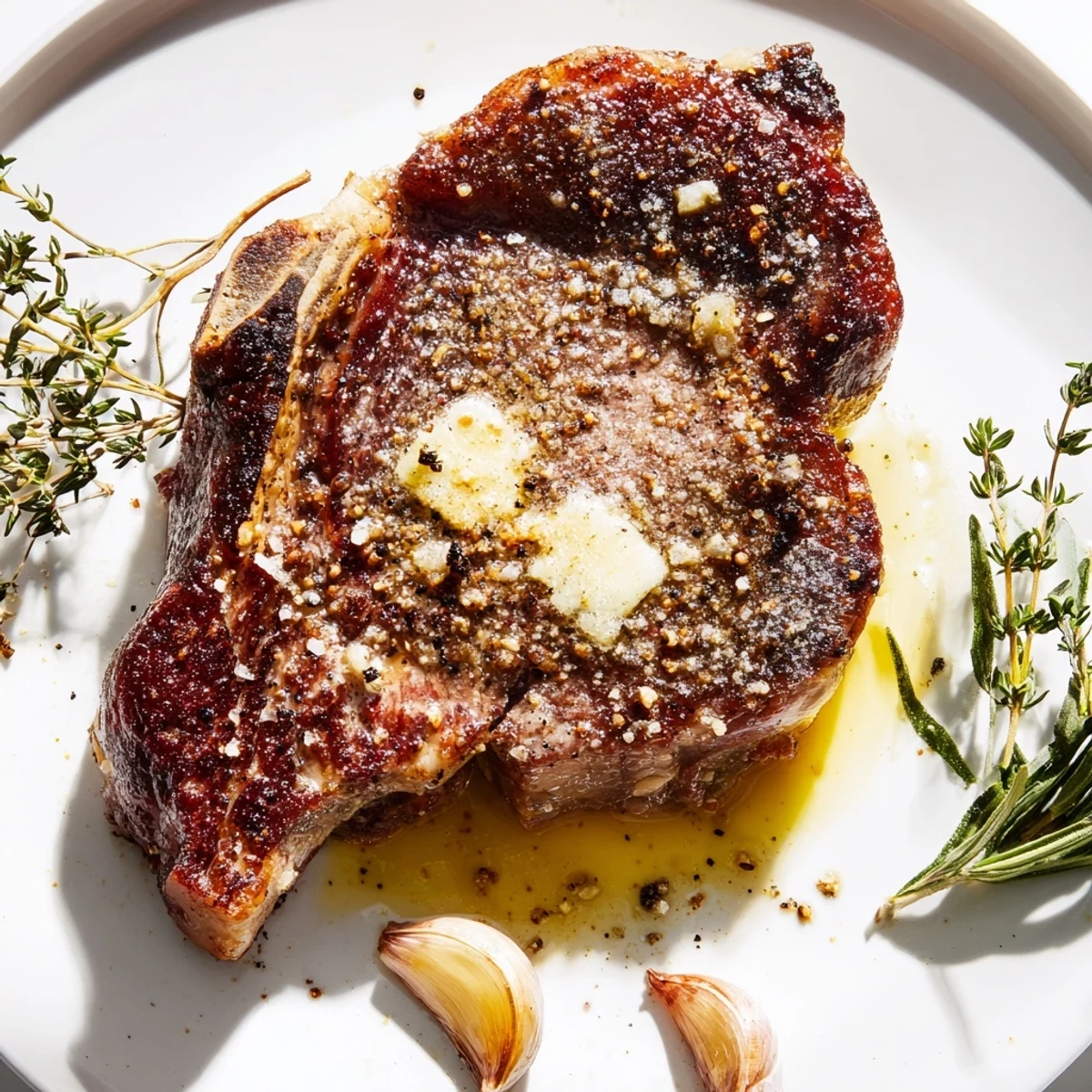
Save Master the art of pan searing ribeye steak for a professional-quality result at home. This method creates a beautiful caramelized exterior while keeping the interior tender and juicy. The key is starting with room temperature meat, getting your skillet ripping hot, and using the classic butter baste technique with garlic and fresh herbs. Perfect for weeknight dinners or special occasions, these steaks come together in just 20 minutes from start to finish.
The sizzling sound that hits your ears when a ribeye hits a blazing hot cast iron skillet is something else entirely. I stumbled into steak cooking mostly by accident one Tuesday night when a craving struck and I refused to settle for takeout. That first attempt was far from perfect but the aroma alone sold me forever.
Last summer I made this for my dad who is notoriously picky about his steaks. He took one bite and actually asked what restaurant I had ordered from. Watching someone genuinely light up over something you cooked is the kind of kitchen moment that keeps you coming back.
Ingredients
- 2 ribeye steaks about 1 inch thick: Thickness matters here because too thin and you will lose that gorgeous pink center
- 1 ½ teaspoons kosher salt: Do not be shy with the seasoning it needs to penetrate the meat
- 1 teaspoon freshly ground black pepper: Freshly cracked makes such a difference in aroma and bite
- 2 tablespoons high-heat oil: You need something that can handle serious heat without smoking up your kitchen
- 3 tablespoons unsalted butter: This is what creates that rich basting liquid
- 3 cloves garlic smashed: Smash them to release all those aromatic oils into the butter
- 3 sprigs fresh thyme: Earthy and piney it plays so well with beef
- 2 sprigs fresh rosemary: A little goes a long way with this powerful herb
Instructions
- Bring your steaks to room temperature:
- Pull them from the fridge about 30 minutes before cooking and pat them completely dry with paper towels
- Season generously:
- Sprinkle salt and pepper over both sides pressing gently so it adheres
- Get your pan ripping hot:
- Heat a cast iron skillet over high heat until you see it shimmering then add your oil
- Sear without touching:
- Lay the steaks in and let them develop that crust for 2 to 3 minutes undisturbed
- Flip and add the magic:
- Turn the steaks then toss in butter garlic and herbs letting it melt and foam
- Baste like a pro:
- Tilt the pan and spoon that butter over the steaks continuously for 2 to 3 minutes until your thermometer reads your desired doneness
- Let it rest:
- Move the steaks to a cutting board and walk away for 5 minutes so the juices redistribute
 Save
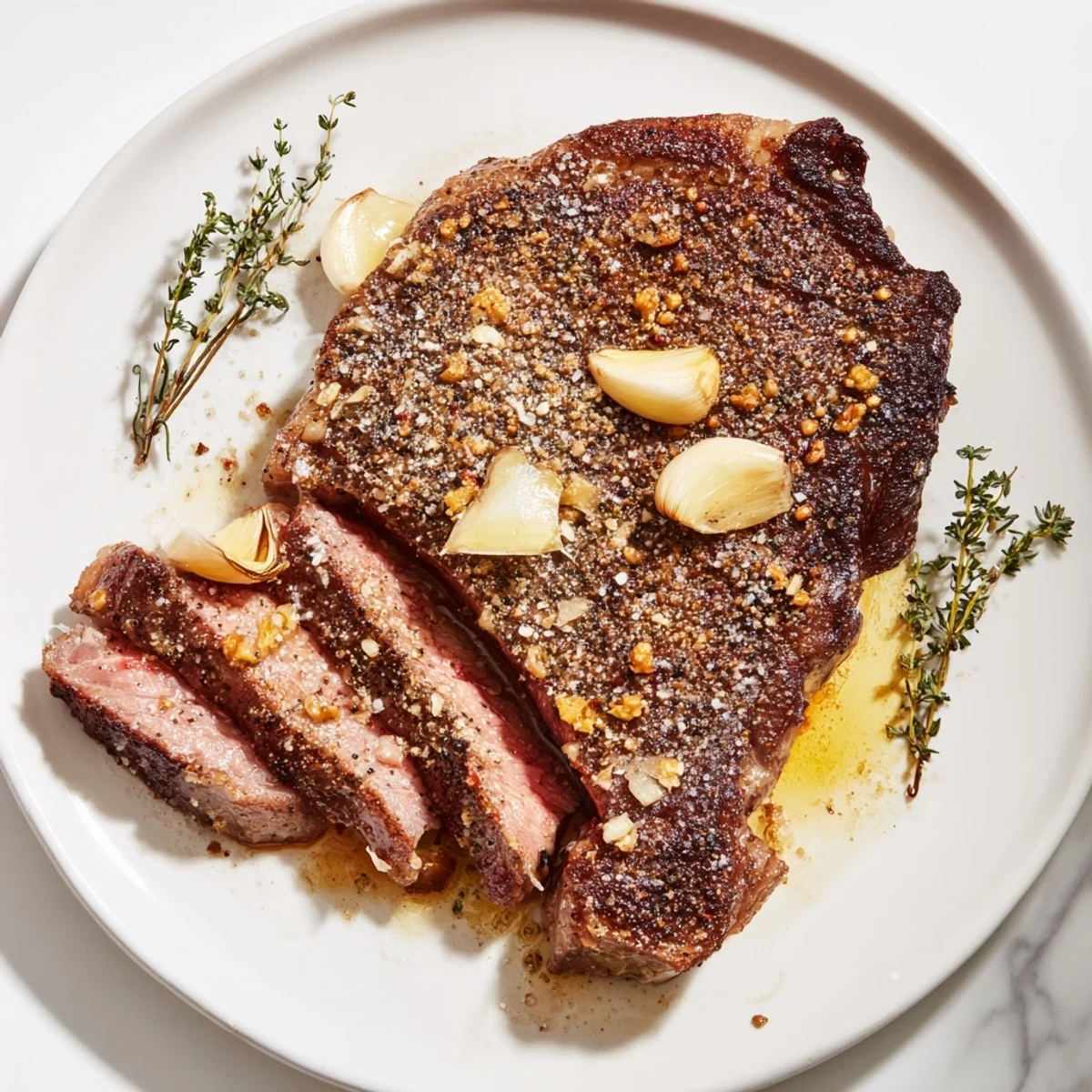
Save This recipe has become my go to for celebrations and quiet Tuesday nights alike. Something about standing at the stove basting with sizzling butter feels like an act of love.
Choosing the Right Cut
I have learned that marbling is your friend when it comes to ribeye. Those little white streaks of fat render down during cooking and keep everything incredibly moist.
The Basting Technique
At first I was intimidated by tilting a hot pan full of melted butter. The trick is to work confidently and keep that spoon moving so every drop of flavor lands back on the meat.
Serving Ideas
Sometimes the simplest sides let the steak truly shine. A crisp green salad with vinaigrette cuts through the richness beautifully.
- Roasted potatoes with rosemary echo the flavors in the baste
- A glass of bold red wine pairs perfectly with the beef
- Keep a flaky sea salt handy for that final finishing touch
 Save
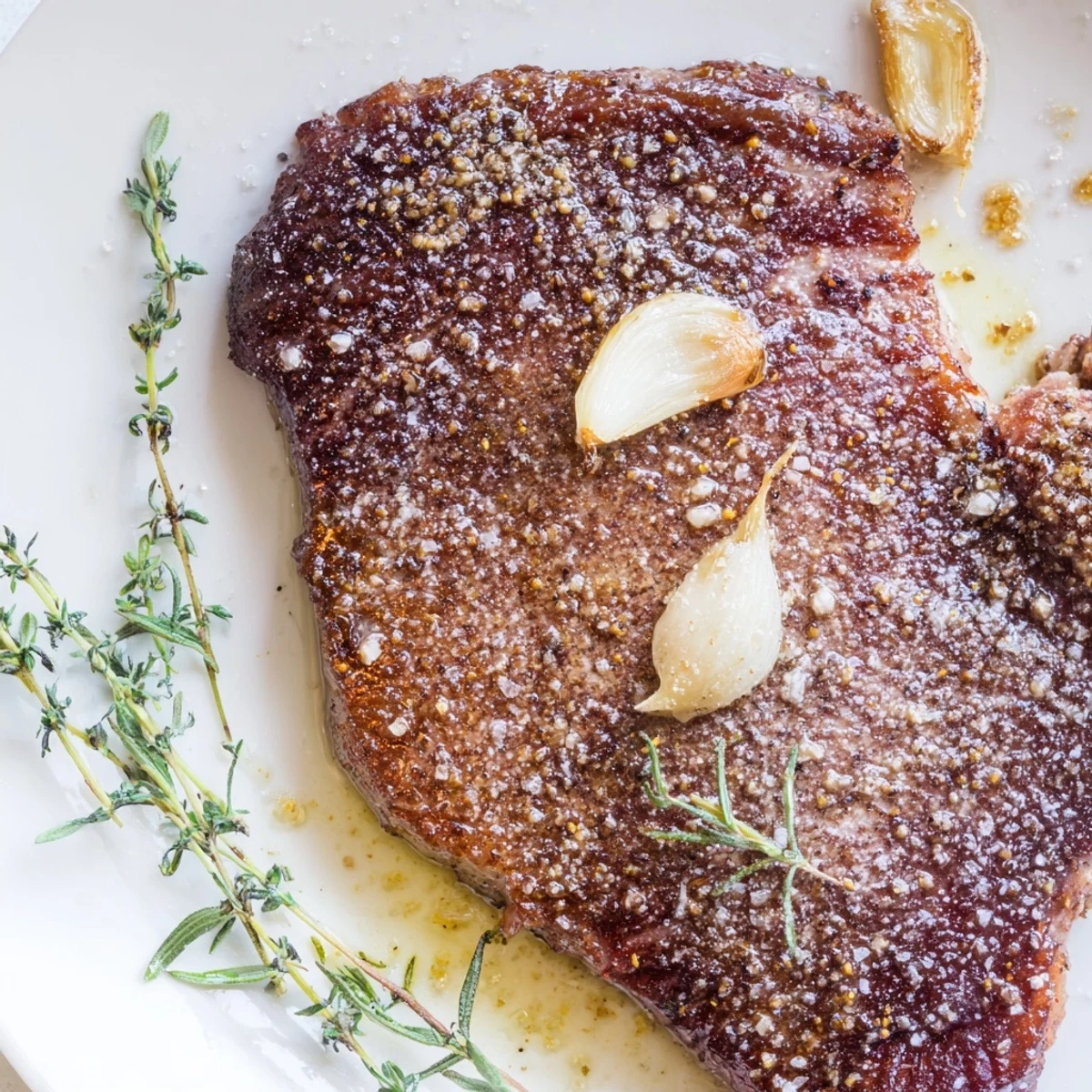
Save There is something deeply satisfying about cooking a perfect steak at home. Once you master this technique you might never order steak out again.
Recipe FAQs
- → How do I know when my ribeye is done?
-
Use a meat thermometer for accuracy. Insert it into the thickest part: 125°F for rare, 135°F for medium-rare, and 145°F for medium. Remember the temperature will rise about 5 degrees during resting.
- → Why should I let the steak rest before serving?
-
Resting allows the juices to redistribute throughout the meat rather than spilling out onto the cutting board. A 5-minute rest ensures each bite remains tender and juicy.
- → Can I use a different type of steak?
-
Yes, this method works beautifully with New York strip, sirloin, or filet mignon. Adjust cooking times based on thickness—thinner cuts will cook faster than ribeye.
- → What if I don't have a cast-iron skillet?
-
A heavy stainless steel skillet or grill pan works well too. The key is using a pan that retains high heat and can go from stovetop to oven if needed for finishing.
- → Can I finish the steak in the oven?
-
Absolutely. After searing both sides, transfer the skillet to a 400°F oven for 3-5 minutes to reach your desired doneness without overcooking the exterior.