
 Save
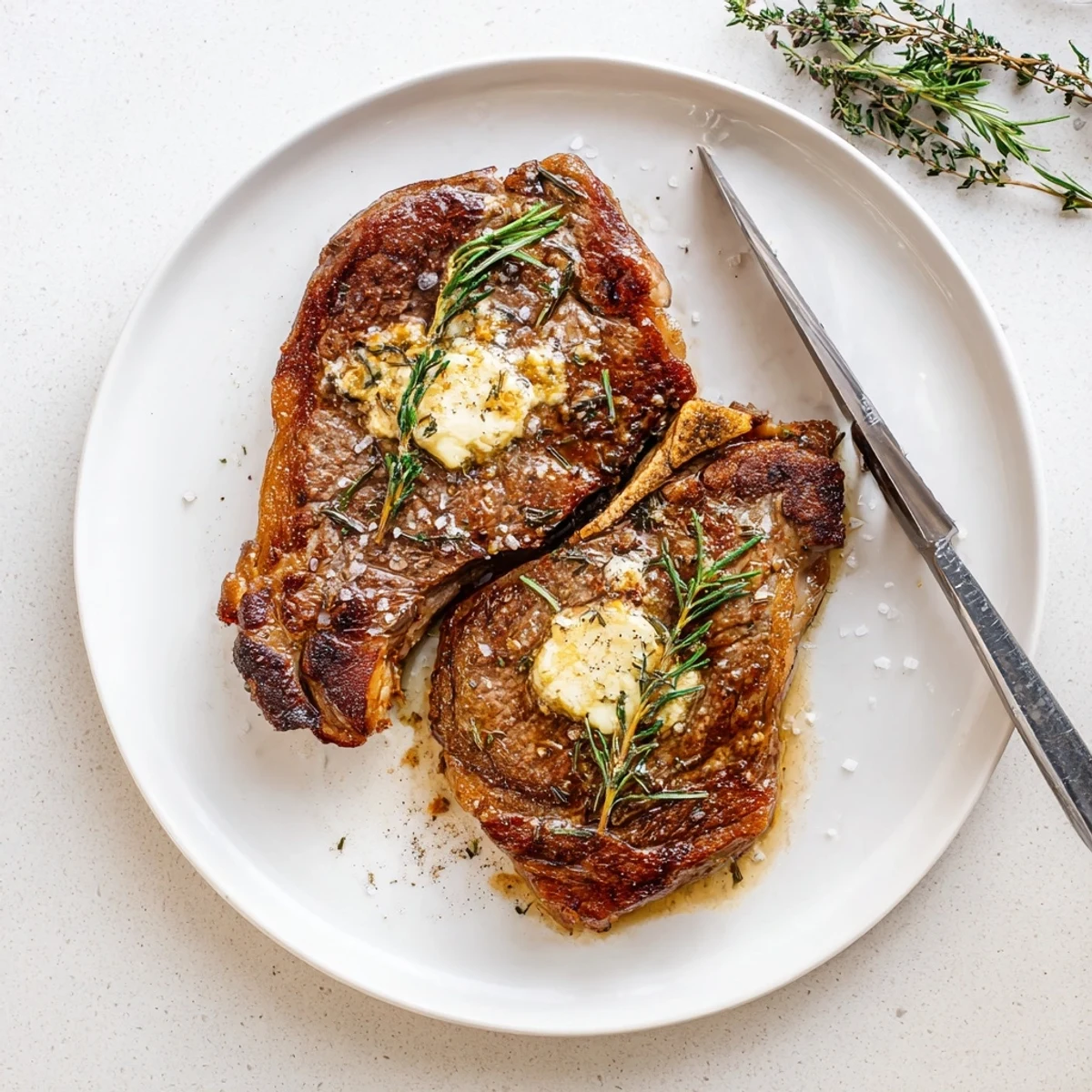
Save This ribeye steak delivers restaurant-quality results with minimal effort. High-heat searing creates a beautiful caramelized exterior while keeping the interior juicy and tender. The finishing touch involves basting with melted garlic butter infused with fresh thyme and rosemary, adding layers of flavor. The entire process takes just 20 minutes from start to finish, making it perfect for weeknight dinners or special occasions. Key steps include bringing the meat to room temperature, patting it completely dry before seasoning, and letting it rest after cooking to ensure maximum juiciness.
My dad took me to this dusty steakhouse on the edge of town when I turned sixteen, ordered me a ribeye medium-rare, and watched me take that first bite like he was waiting for some kind of revelation. The sound of the sizzling plates coming out of the kitchen still makes my stomach flip. I spent years trying to recreate that experience at home, burning through cheap cuts and smoking up tiny apartment kitchens before I finally figured out that a cast-iron skillet and some patience could get me dangerously close to steakhouse perfection.
Last Friday my neighbor knocked on my door because she could smell garlic and butter through her open window, which is either the best compliment or a gentle reminder that my ventilation needs work. We ended up eating on the back porch with paper plates, watching the sunset and agreeing that sometimes the simplest food hits the hardest. Good steak has a way of turning a random Tuesday into something worth remembering.
Ingredients
- Ribeye steaks: The generous marbling is what makes ribeye so forgiving and flavorful, so do not trim that fat before cooking
- Kosher salt: Use a heavy hand here, and do it at least an hour before cooking if you can remember that far ahead
- Unsalted butter: Let it soften slightly on the counter so it melts evenly when you add it to the pan
- Garlic cloves: Smash them with the side of your knife so they release all their aromatic oils into the butter
- Fresh thyme and rosemary: woody herbs can take the high heat without turning bitter, unlike delicate basil or cilantro
- High-heat oil: You need something with a high smoke point since we are cranking the heat way up
Instructions
- Prep the steaks:
- Pat them completely dry with paper towels because moisture is the enemy of a good crust, then season generously on both sides
- Get your pan screaming hot:
- Heat that cast-iron skillet over high heat for a solid two minutes until you can feel the heat radiating from a few inches away
- Seize the sear:
- Lay the steaks in the hot pan and do not touch them for at least three minutes, resisting every instinct to poke or peek
- Flip and baste:
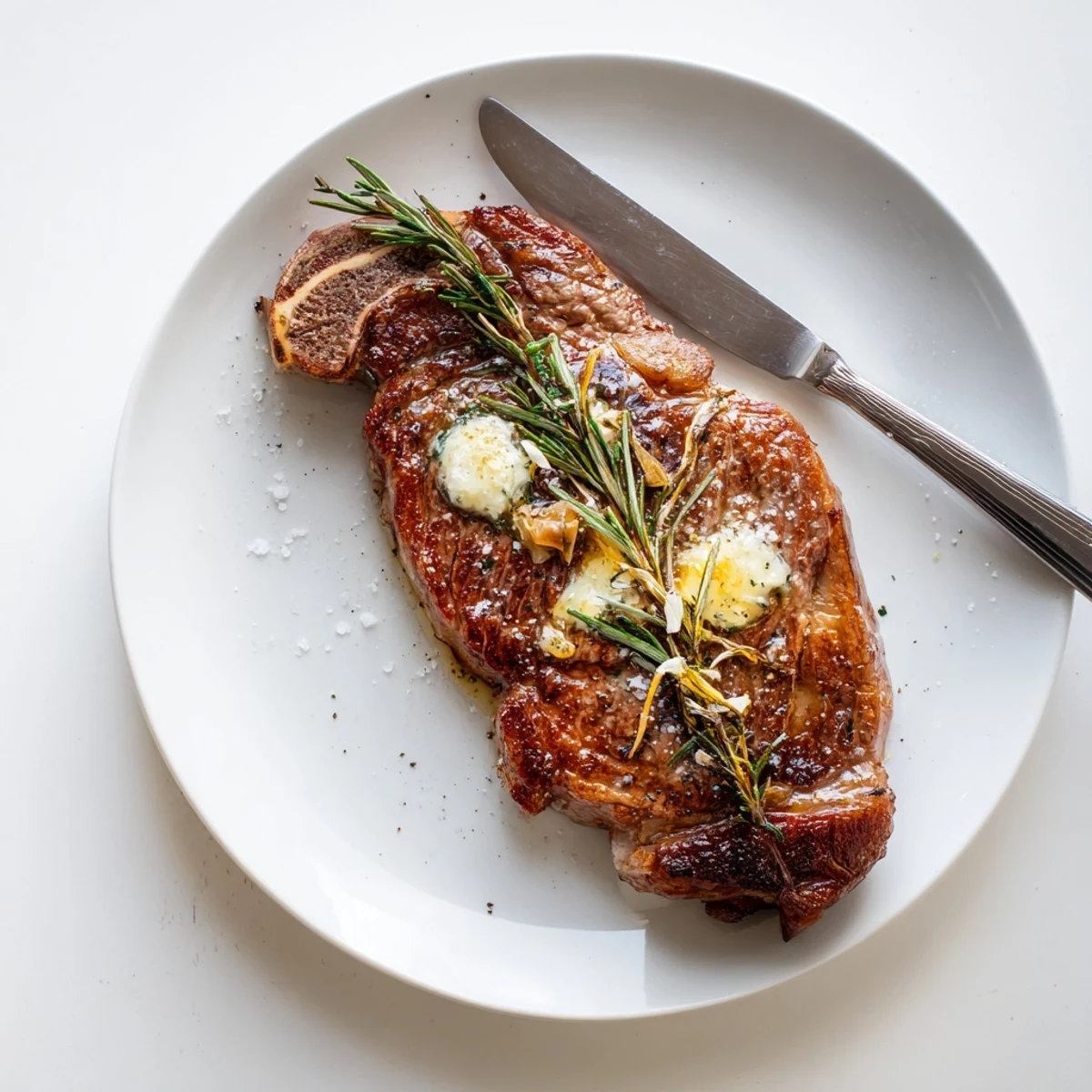
- Turn the steaks over, toss in the butter, garlic, and herbs, then tilt the pan and spoon that sizzling butter over the meat continuously
- The waiting game:
- Let the steaks rest for five minutes on a cutting board so all those juices settle back in instead of running out onto your plate
 Save
Save I made these for my anniversary a few years ago because fancy restaurants were booked solid, and honestly it was better than anything we could have ordered. There is something intimate about standing at the stove, listening to the sizzle, and knowing you are about to serve something truly excellent to someone you love.
Getting That Restaurant Crust
The secret is leaving the steak alone once it hits the pan. Every time you move it, you are interrupting the Maillard reaction that creates that beautiful caramelized crust. Trust the process and let the heat do its work.
Temperature Guide
125 degrees gives you rare, 135 is medium-rare, and anything past 145 is a crime against good beef. An instant-read thermometer takes all the guesswork out of it and costs less than one ruined steak.
Serving Ideas
A perfect ribeye does not need much help on the plate, but the right sides make it feel complete. Keep it simple and let the steak shine.
- Creamy mashed potatoes catch all that buttery herb juice beautifully
- Roasted asparagus or broccolini adds a bright, fresh contrast
- A crisp green salad with acidic vinaigrette cuts through the richness
 Save
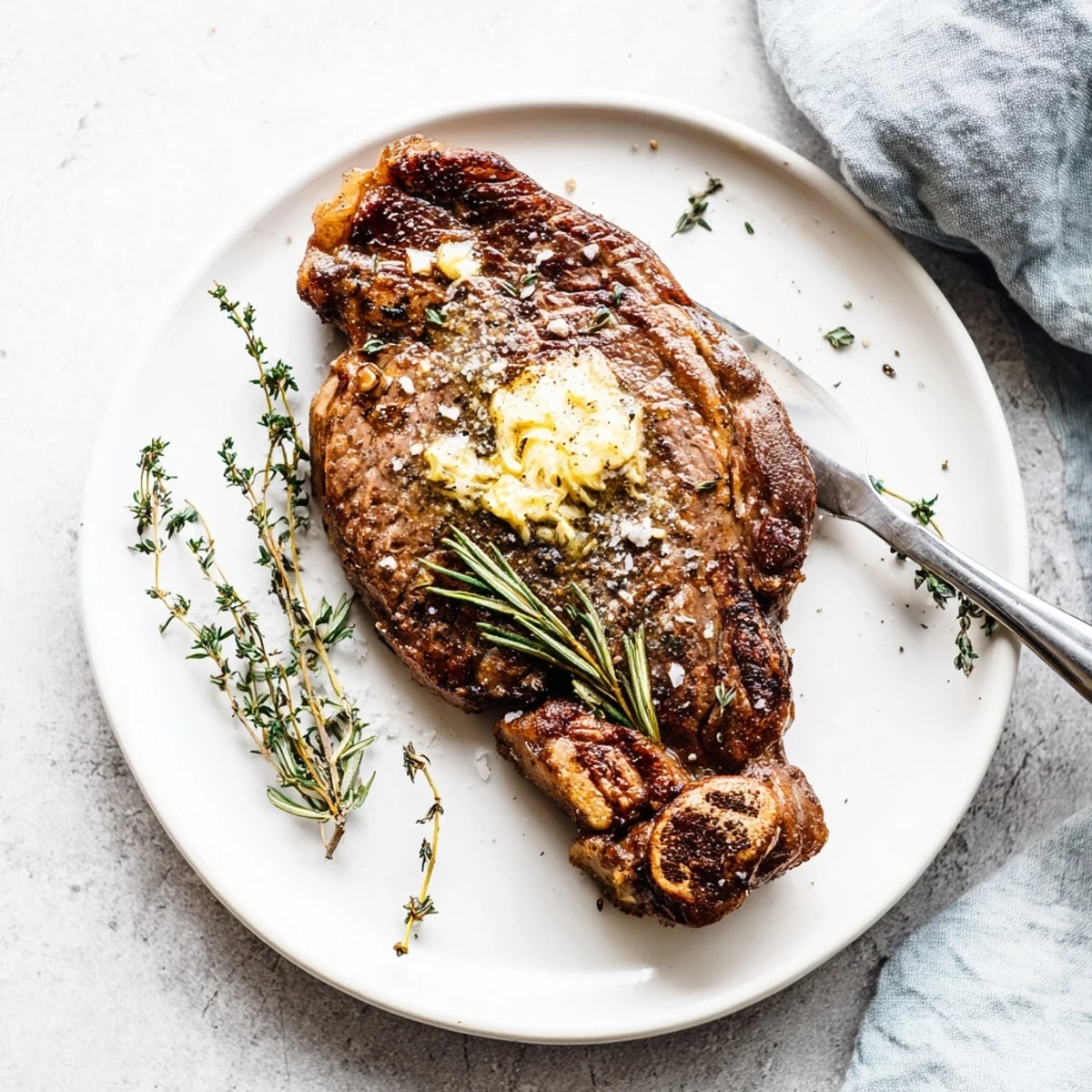
Save Good steak is one of those things that makes people close their eyes and moan a little bit, which is really the highest compliment a cook can receive.
Recipe FAQs
- → What temperature should ribeye be cooked to?
-
For rare, aim for 125°F (52°C). For medium-rare, target 135°F (57°C). Use an instant-read thermometer for accurate results.
- → How long should steak rest after cooking?
-
Let the ribeye rest for at least 5 minutes after removing from the skillet. This allows juices to redistribute throughout the meat for maximum tenderness.
- → Why use a cast-iron skillet?
-
Cast iron retains heat exceptionally well and creates an even, high-temperature surface essential for developing a deep, caramelized crust on the steak.
- → Can I use dried herbs instead of fresh?
-
Fresh thyme and rosemary provide the best flavor, but you can substitute with dried herbs using one-third the amount. Add them earlier in the basting process.
- → What's the purpose of basting?
-
Basting with melted butter and aromatics infuses the steak with additional flavor while helping to cook the top side evenly and create a glossy, professional finish.