
 Save
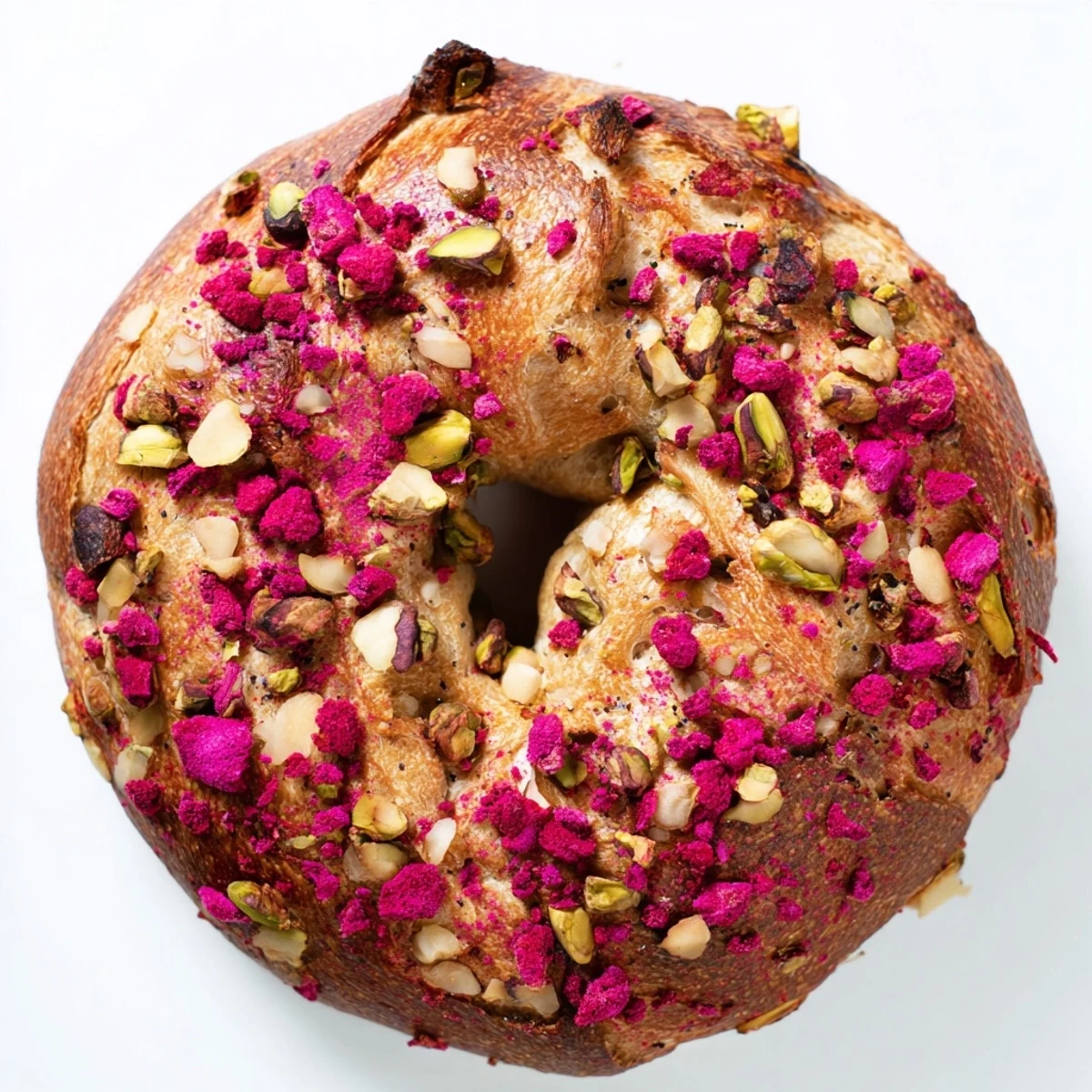
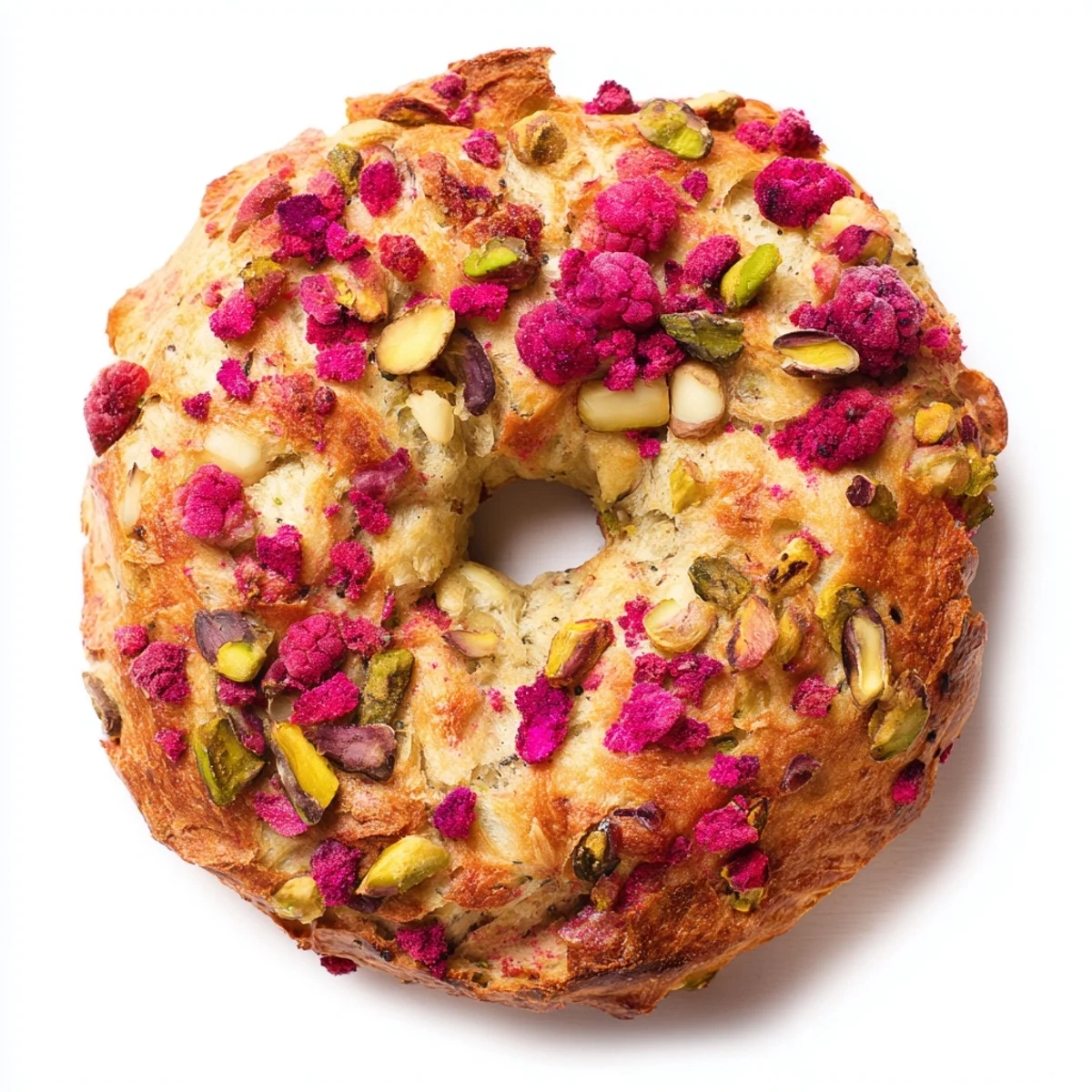
Save These vibrant bagels combine the complex tang of long-fermented sourdough with the sweet-tart pop of freeze-dried raspberries and buttery crunch of pistachios. The dough develops deep flavor through an overnight ferment, creating that perfect chewy interior and glossy crust. Each bagel gets briefly poached in honey-sweetened water before baking, ensuring the classic dense texture and shiny finish. The result is a breakfast masterpiece that's both visually stunning and deliciously satisfying.
The first time I pulled these from the oven, the kitchen smelled like a bakery crossed with a berry patch. My roommate wandered in, drawn by that impossible combination of toasted nuts and tangy fruit, and we ended up eating three warm bagels standing right there at the counter. The sourdough fermentation gives them this incredible chew that somehow manages to be light at the same time.
I made a batch for my sisters baby shower last spring and watched them disappear faster than the store bought platters. People kept asking what made them so different, and honestly, it is that overnight fermentation doing all the heavy lifting while you sleep.
Ingredients
- Active sourdough starter: Use your starter at its peak activity, about 6-8 hours after feeding for the best rise
- Bread flour: The higher protein content creates that signature bagel chew we are all after
- Freeze-dried raspberries: These give bursts of tart flavor without making the dough soggy like fresh fruit would
- Pistachios: Roughly chop them so you get satisfying crunch in every bite
- Honey in the poaching liquid: This little secret is what gives bagels their shiny, professional looking crust
Instructions
- Make the dough base:
- Dissolve your starter in warm water first, then mix in everything except the poaching ingredients until the dough comes together in a shaggy mass
- Knead and develop:
- Work the dough on a floured surface for 8-10 minutes until it feels smooth and bounces back when you press it
- Overnight fermentation:
- Place the dough in an oiled bowl and let it do its thing at room temperature for 8-12 hours
- Shape into bagels:
- Divide into 8 pieces, roll them into smooth balls, then poke a hole through the center and stretch gently
- Proof before poaching:
- Let the shaped bagels rest covered for 45-60 minutes until they look slightly puffed and feel lighter
- Water bath magic:
- Simmer your poaching liquid and drop bagels in for 45 seconds per side, then lift them out with a slotted spoon
- Bake to golden:
- Sprinkle with extra toppings and bake at 220°C for 20-22 minutes until they are deeply golden
 Save
Save These became my go to Sunday bake because the timing works perfectly with a lazy weekend schedule. There is something so satisfying about pulling a tray of beauties from the oven and knowing breakfast is sorted for the week.
Timing Your Fermentation
I have learned that room temperature affects fermentation time dramatically. In summer, my dough might double in 6 hours, but winter days can stretch it to 12. Trust your eyes and nose more than the clock, the dough should look bubbly and smell pleasantly tangy when it is ready to shape.
Getting the Shape Right
The hole tends to close up during baking if it is too small to start. I make mine wider than seems necessary, about two fingers across, and they always bake up perfectly. Some people wrap the dough around their hand to form the ring, but I find poking through the center and gently stretching gives me more control.
Storage and Freezing
Slice them before freezing and you can go straight from freezer to toaster. I wrap each bagel individually then stash them in a freezer bag, they keep beautifully for up to three months. Room temperature bagels are best eaten within two days, after that they start to lose that wonderful chewiness.
- Toast frozen bagels on the defrost setting first, then switch to high for the crispest results
- If they have gone a bit stale, refresh them in a 350°F oven for 5 minutes
- Never refrigerate bagels, it makes them stale faster than leaving them at room temperature
 Save
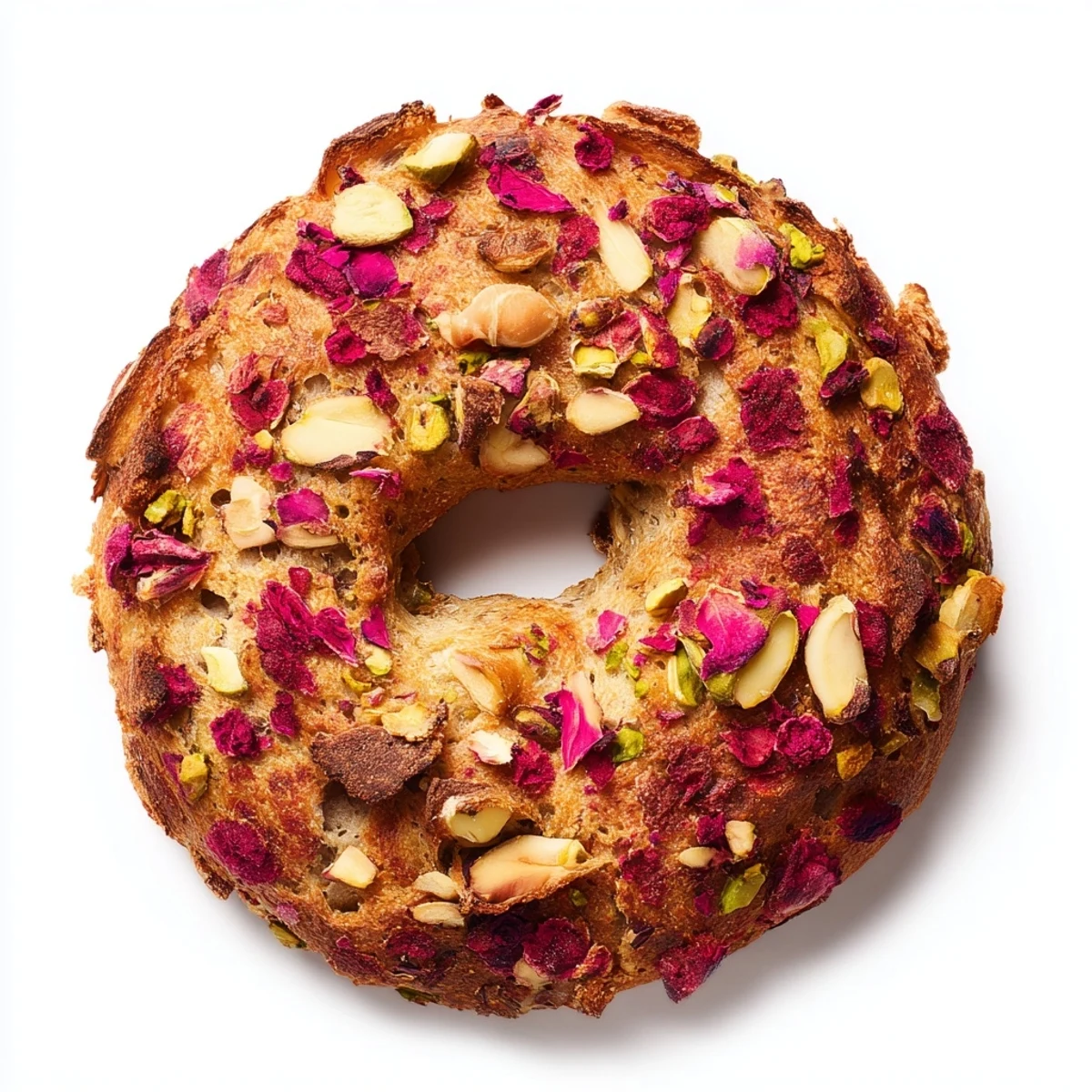
Save There is nothing quite like a warm bagel slathered with cream cheese on a slow morning. These have become such a staple in our house that I cannot imagine going back to store bought versions again.
Recipe FAQs
- → Why use sourdough in bagels?
-
Sourdough adds complex tangy flavor and improves texture. The long fermentation breaks down gluten, making nutrients more accessible while creating that characteristic chewy bagel bite with a glossy crust.
- → Can I use fresh raspberries instead?
-
Fresh raspberries add too much moisture to the dough. Freeze-dried raspberries provide concentrated flavor without altering hydration, ensuring proper dough structure and fermentation.
- → How do I know when the dough has fermented enough?
-
The dough should nearly double in size, feel bubbly and aerated, and pass the poke test—when gently pressed, the indentation should slowly spring back partially rather than immediately rebounding.
- → Why poach bagels before baking?
-
Poaching in simmering water with baking soda and honey gelatinizes the surface starch, creating the shiny, chewy crust that distinguishes authentic bagels from regular bread rolls.
- → How should I store these bagels?
-
Store at room temperature for 2 days in a sealed container, or freeze sliced bagels for up to 3 months. Toast frozen slices directly from the freezer for best results.
- → What can I substitute for pistachios?
-
Try chopped almonds, walnuts, or pecans for similar crunch. Sunflower or pumpkin seeds work well for nut-free versions, adding texture and subtle flavor without tree nuts.