
 Save
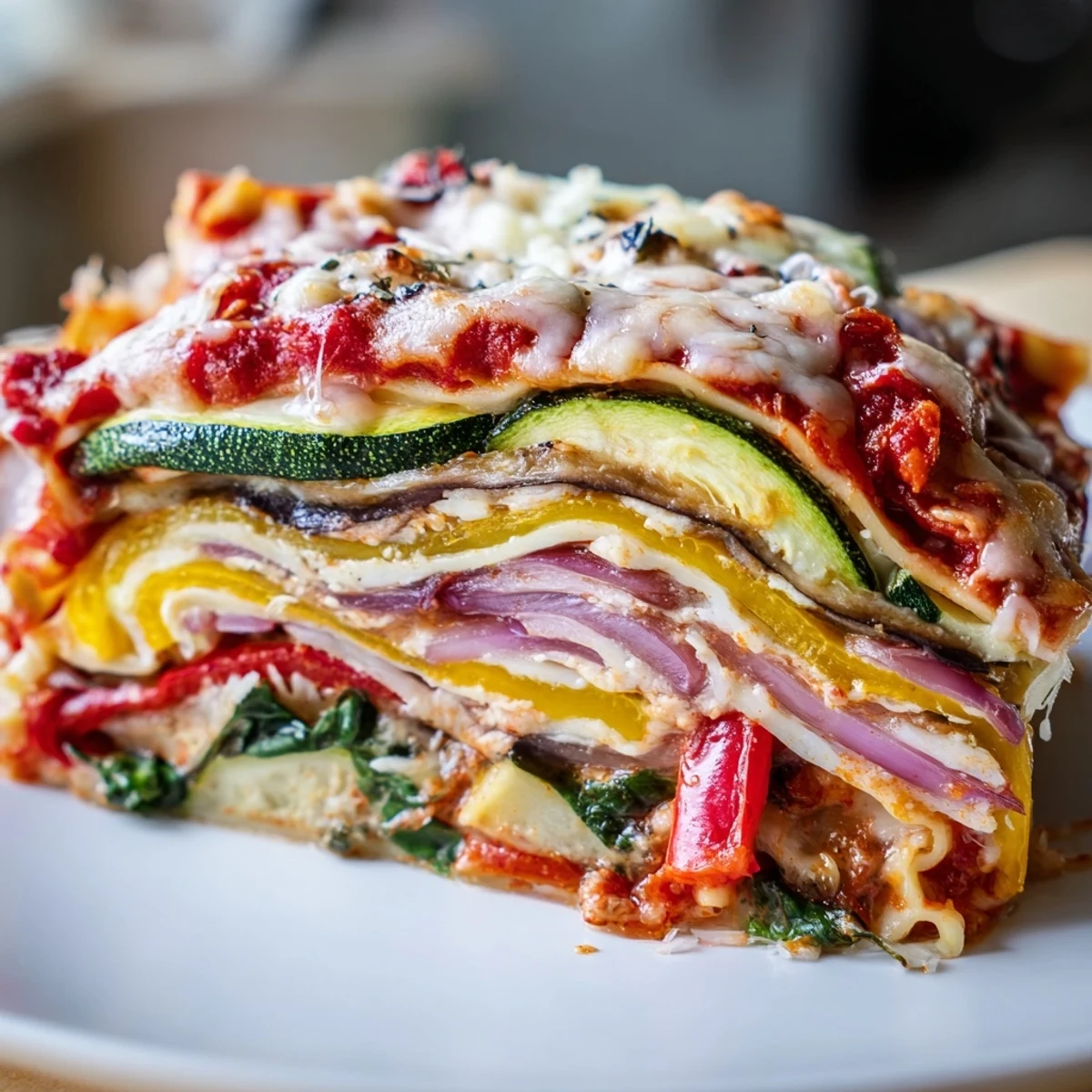
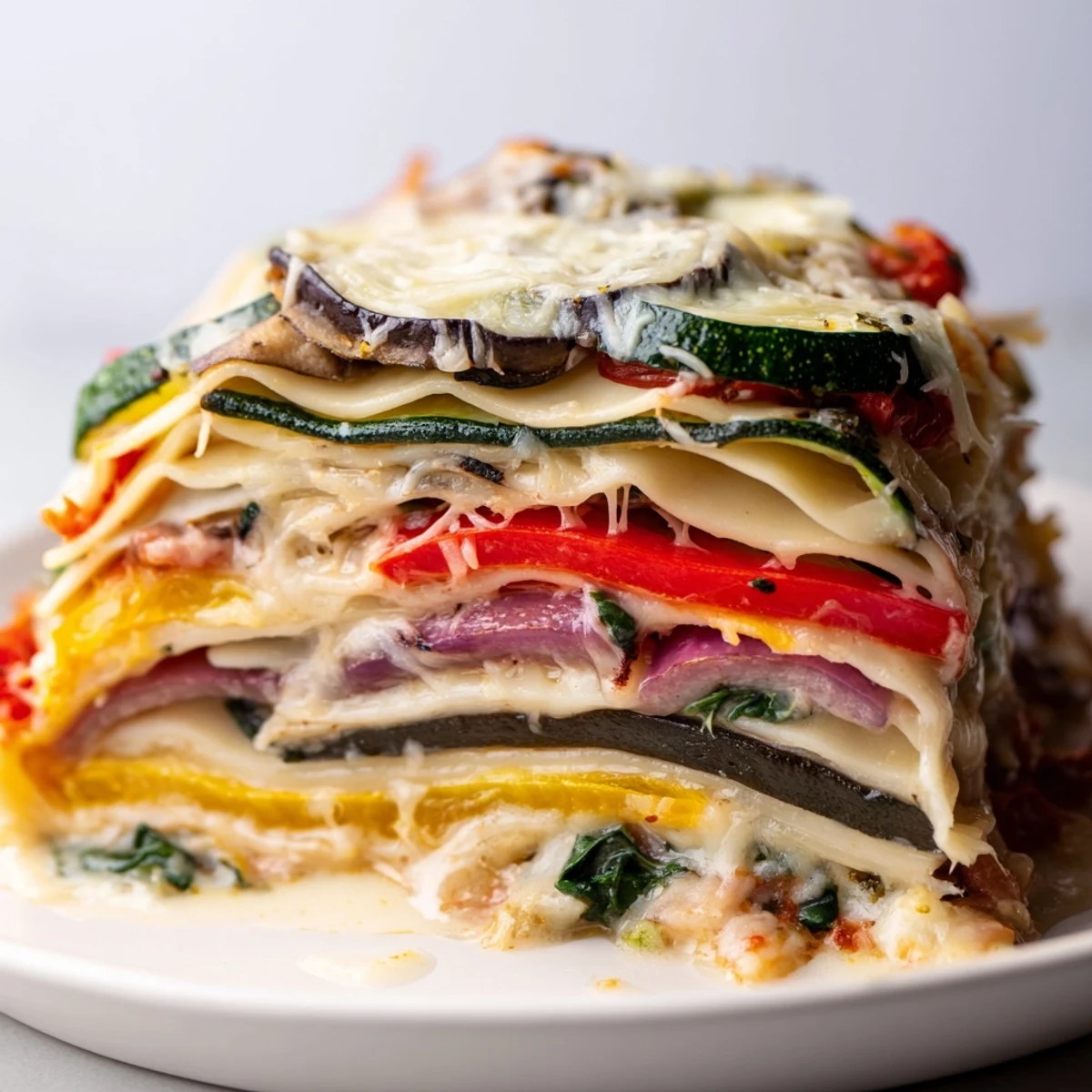
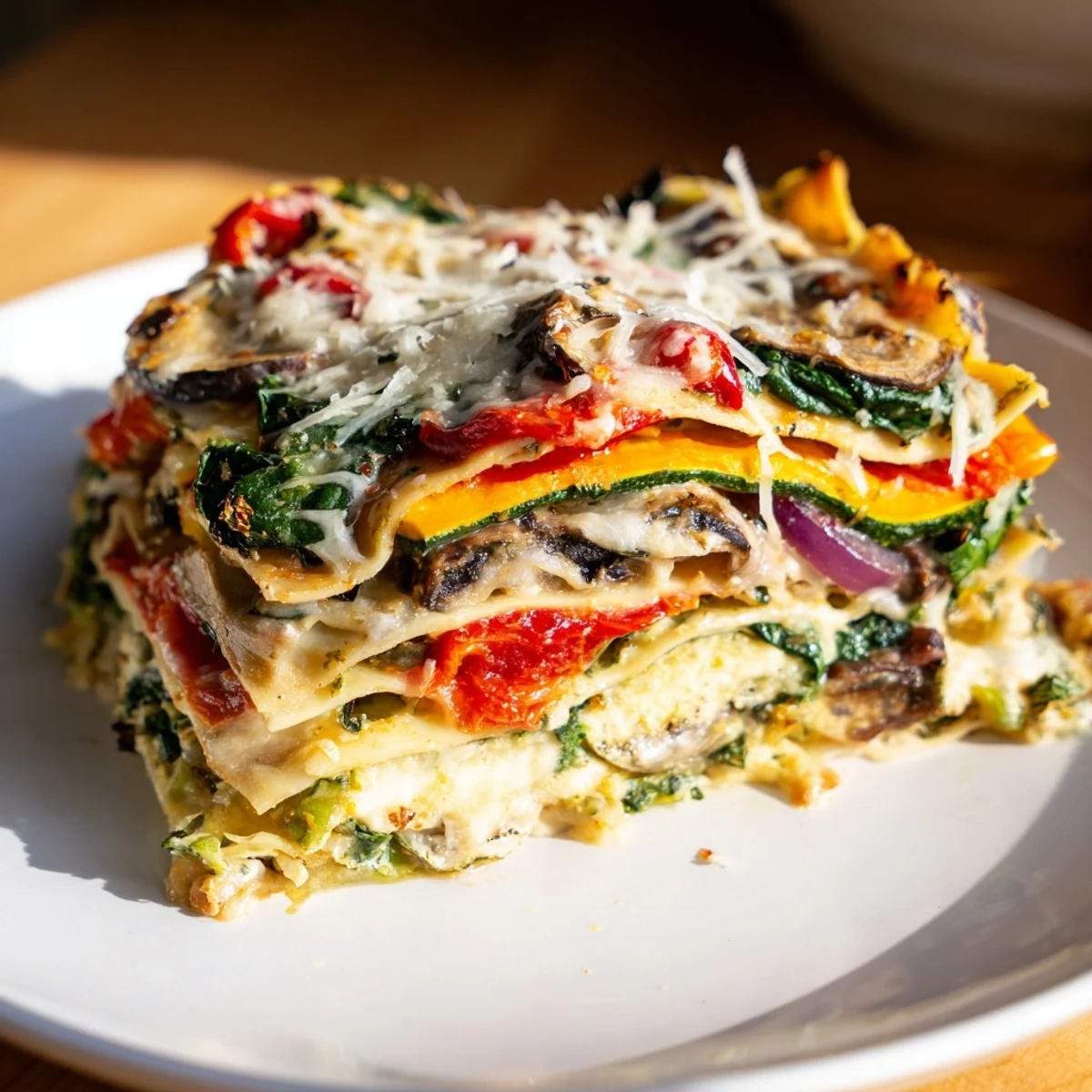
Save This comforting Italian layered dish features tender roasted seasonal vegetables combined with a creamy béchamel sauce and sheets of lasagna pasta. The vegetables are seasoned and roasted until lightly caramelized, then layered with béchamel and cheese before being baked to golden perfection. The dish offers a rich, flavorful experience balanced by the freshness of the vegetables and smooth sauce. Ideal for a satisfying main course with a vegetarian-friendly profile.
There's something about the smell of roasted eggplant and bell peppers that fills a kitchen with promise. I discovered this lasagna on a quiet Sunday afternoon when I had a surplus of vegetables from the farmers market and absolutely no idea what to do with them. What started as an improvisation—layering them between pasta sheets with a silky béchamel I'd just learned to make without lumps—became a dish I've returned to ever since. It's the kind of meal that tastes like you spent hours on it, even though most of that time is just the oven doing the heavy lifting.
I made this for a dinner party during a particularly cold October, and a friend who swears she doesn't like eggplant went back for seconds without realizing what she was eating. That's when I knew I'd stumbled onto something special—a dish that converts skeptics through flavor alone, no convincing required.
Ingredients
- Zucchini and eggplant: Both need to be sliced uniformly so they roast at the same rate; thinner slices mean they'll crisp up nicely rather than steam.
- Bell peppers (red and yellow): They add sweetness and color; the reds are slightly deeper in flavor, so mix them if you like complexity.
- Red onion: It mellows considerably when roasted, losing its sharp bite and becoming almost caramel-like.
- Olive oil: Don't skimp here—it's what helps the vegetables brown properly and develop flavor.
- Dried oregano: A teaspoon might seem modest, but it's enough to season everything without overpowering the vegetables.
- Butter and flour: The foundation of your béchamel; unsalted butter lets you control the salt yourself.
- Whole milk: Warming it first prevents lumps and makes the sauce come together smoothly.
- Nutmeg: Just a whisper of it—freshly grated is better than pre-ground, and it ties the whole sauce together.
- Mozzarella and Parmesan: The mozzarella melts and gets stretchy, while the Parmesan adds a sharp, salty note on top.
- Lasagna noodles: No-boil saves time and mess, though dried pasta works just as well if you have it on hand.
Instructions
- Get your oven ready and prep the vegetables:
- Heat the oven to 425°F and line two baking sheets with parchment paper. Slice your zucchini, eggplant, peppers, and onion into pieces roughly the same thickness so they cook evenly—aim for about a quarter-inch.
- Season and roast:
- Toss everything with olive oil, oregano, salt, and pepper, spreading it out on the sheets without crowding. Halfway through the 20–25 minutes of roasting, give everything a flip so it browns on both sides and the edges get a little caramelized.
- Lower the heat and start the béchamel:
- While the vegetables finish, melt butter in a medium saucepan over medium heat. Whisk in the flour and let it cook for a minute or two—you'll see it turn a pale golden color, which means it's losing its raw flour taste.
- Add the milk slowly and stir constantly:
- This is the moment where panic sets in for a lot of people, but it's simpler than it seems. Pour the warm milk in gradually while whisking, and if a few small lumps form, keep whisking—they'll dissolve. Simmer for 5–7 minutes until it thickens enough to coat the back of a spoon.
- Season the sauce and reduce the oven temperature:
- Stir in the nutmeg, salt, and white pepper, then set the sauce aside. Turn the oven down to 375°F—you want it hot enough to bake the lasagna through without burning the top.
- Grease the baking dish and build the first layer:
- Use a light touch of olive oil to coat a 9x13-inch baking dish. Spread a thin layer of béchamel on the bottom as your foundation, then lay down a layer of noodles.
- Layer vegetables, spinach, sauce, and cheese in rhythm:
- Top the noodles with about a third of your roasted vegetables, a handful of spinach if you're using it, another layer of béchamel, and a sprinkle of mozzarella. The rhythm matters—it keeps the whole thing balanced.
- Repeat and finish with the top layer:
- Build two more layers exactly the same way, then finish with noodles, the last of the béchamel, remaining mozzarella, and all the Parmesan scattered on top.
- Cover and bake gently, then uncover for the final golden touch:
- Tent the baking dish with foil and bake at 375°F for 25 minutes—the foil keeps the top from browning before the interior heats through. Remove the foil, then bake another 15 minutes until the cheese is bubbly and golden.
- Rest before serving:
- This step matters more than it seems. Let the lasagna sit for 10–15 minutes after it comes out of the oven so it can set up enough to slice cleanly instead of falling apart.
 Save
Save I still remember my friend Sarah asking for the recipe after that dinner, and how surprised she was when I told her there was no tomato sauce at all. She'd expected traditional red lasagna, but the béchamel and roasted vegetables had their own presence, their own story to tell. That moment made me realize this dish doesn't need to apologize for being different.
The Joy of Seasonal Vegetables
The beauty of this lasagna is that it adapts to whatever's in season. Summer calls for zucchini and yellow squash, while autumn pulls toward mushrooms and thicker slices of eggplant. Winter might mean adding roasted root vegetables like carrots or parsnips, which bring an earthy sweetness. There's no single right way to build this dish, which is exactly why it's so forgiving to make.
Why Béchamel Instead of Tomato
Béchamel lets the vegetables be the main event instead of playing second fiddle to a loud tomato sauce. The creaminess also prevents the noodles from drying out, which is something I learned the hard way by trying to make this with tomato and ending up with a slightly parched middle layer. The mild, buttery sauce acts as a canvas that lets the roasted flavors shine, especially that subtle caramelization on the eggplant and peppers.
Serving Suggestions and Pairings
A crisp green salad on the side cuts through the richness beautifully—nothing fancy, just arugula or mixed greens with lemon vinaigrette. Some people swear by a glass of Chianti alongside, though I've found that almost any red wine works. If you want to go a little fancy, tear some fresh basil over each plate right before serving, or drizzle a tiny amount of good olive oil over the top for extra flavor and shine.
- Make this a day ahead if you can; the flavors meld overnight and it reheats beautifully covered with foil at 350°F for about 25 minutes.
- Freeze individual portions after it cools completely, then thaw in the fridge before reheating for a quick dinner later.
- If you want extra protein, crumbled ricotta or even cooked lentils layered in work surprisingly well without throwing off the balance.
 Save
Save This lasagna reminds me that Italian cooking isn't about fancy tricks or hard-to-find ingredients—it's about respecting what you have and letting simple techniques bring out the best in everything. Make it once, and it becomes the recipe you reach for whenever you want something that feels special but doesn't demand a lot of fuss.
Recipe FAQs
- → What vegetables work best for roasting?
-
Zucchini, eggplant, bell peppers, and red onion are ideal for roasting as they become tender and develop deep, caramelized flavors.
- → How is the béchamel sauce prepared?
-
Butter is melted and combined with flour to form a roux, then warmed milk is slowly whisked in and simmered until thickened, seasoned with nutmeg, salt, and white pepper.
- → Can I substitute the no-boil lasagna noodles?
-
Yes, you can use traditional lasagna noodles but you'll need to boil them before layering to ensure tenderness.
- → How long should I let the dish rest before serving?
-
Resting for 10–15 minutes allows the layers to set and makes slicing cleaner and easier.
- → Are there options to enhance the flavor?
-
Adding layers of pesto or fresh basil between vegetables brings an added herbal freshness and depth to the dish.
- → Is this dish suitable for vegetarians?
-
Yes, it contains no meat and features vegetables, cheese, and béchamel sauce, making it vegetarian friendly.