
 Save
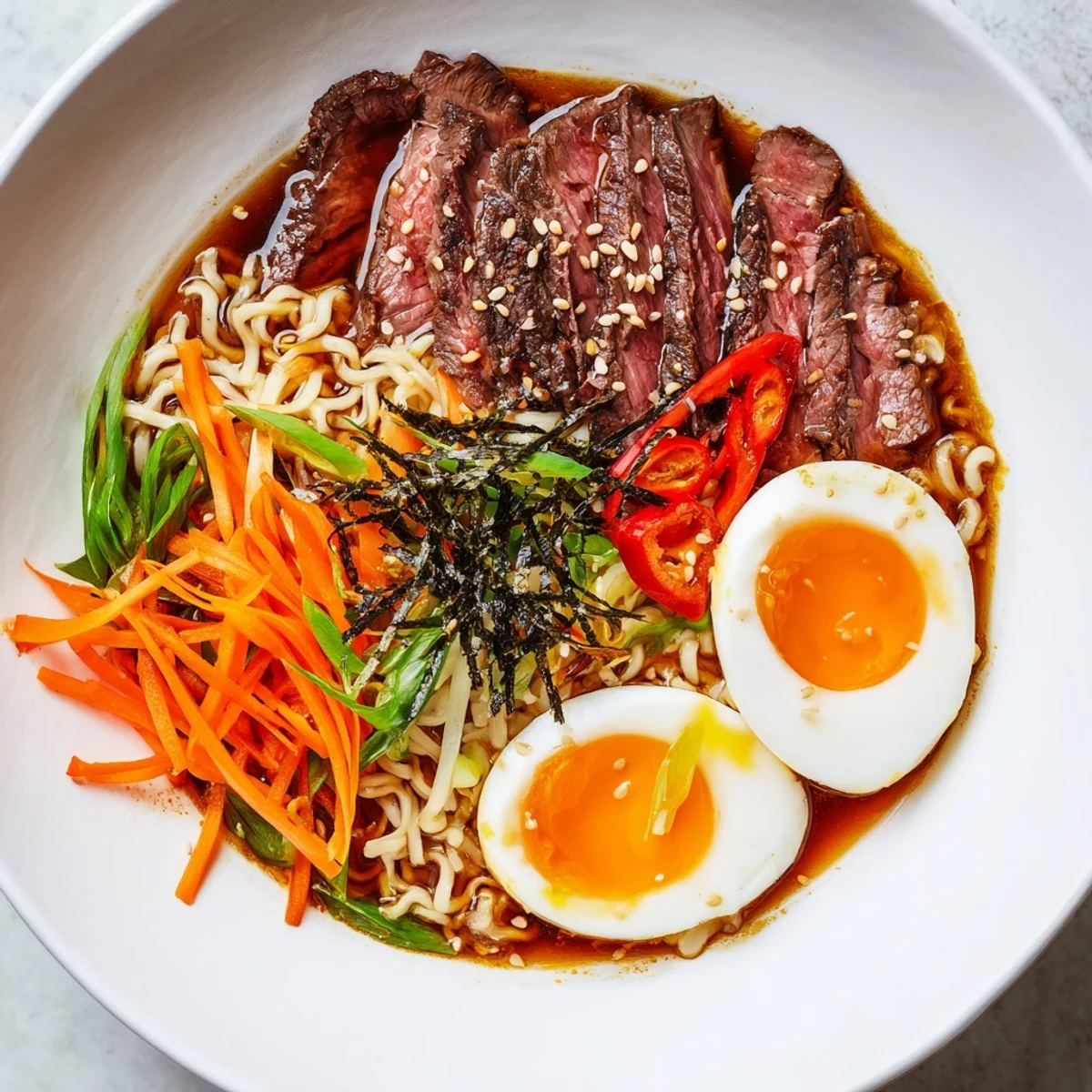
Save This dish features tender marinated beef slices paired with a richly spiced broth infused with garlic, ginger, and chili paste. Fresh ramen noodles provide a springy texture, while soft-boiled eggs add creaminess and balance. Topped with crunchy bean sprouts, julienned carrots, spring onions, and toasted sesame seeds, it delivers a harmonious blend of flavors and textures. Perfect for a comforting meal with a flavorful kick.
The first time I made ramen at home, I stood over the pot breathing in that intoxicating blend of ginger, garlic, and chili, feeling like I'd unlocked some secret restaurant magic. My roommate wandered in, drawn by the smell, and said "this place smells better than the ramen shop downtown." That was the moment I realized homemade ramen was not just possible—it could be extraordinary.
Last winter during a snowstorm, I made four steaming bowls for friends who were stuck inside with us. We sat around the coffee table in our sweats, slurping noodles and watching movies, while someone said "this beats any restaurant" between bites. Now every time there's a cold snap or someone needs comfort food, this ramen is what I make without hesitation.
Ingredients
- 350 g sirloin or flank steak: Thinly slice against the grain for tender bites that sear quickly
- 1 tbsp soy sauce: The foundation for both beef marinade and depth in broth
- 1 tsp sesame oil: Just enough to coat the beef and add that unmistakable nutty aroma
- 1 tsp cornstarch: The secret to keeping beef velvety and tender when seared
- 1 tbsp vegetable oil: For building your flavorful broth base
- 4 cloves garlic: Freshly minced for maximum aromatic impact
- 1 tbsp fresh ginger: Grated fresh makes all the difference over powdered
- 2 tbsp chili paste: Gochujang or sambal oelek works beautifully here
- 2 tbsp miso paste: Adds that deep umami richness that defines ramen broth
- 1 liter broth: Chicken or beef base, whichever you prefer
- 500 ml water: Balances the concentrated flavors perfectly
- 1 tbsp brown sugar: Subtle sweetness that tames the heat
- 300 g ramen noodles: Fresh noodles yield springy texture, dried work in a pinch
- 4 large eggs: Room temperature eggs cook more evenly
- Bean sprouts, spring onions, carrot, nori, sesame seeds: The classic toppings that make each bowl beautiful
Instructions
- Marinate the beef:
- Combine sliced beef with soy sauce, sesame oil, cornstarch and black pepper. Let it sit while you prep everything else—this quick step makes all the difference for tender meat.
- Soft-boil the eggs:
- Gently lower room-temperature eggs into boiling water for 6 to 7 minutes, then immediately plunge into ice water. The shock stops the cooking and makes peeling effortless later.
- Build the broth base:
- Sauté garlic and ginger in hot oil until fragrant, about 1 minute. Your kitchen should smell amazing right now.
- Add the aromatics:
- Stir in chili paste, miso, soy sauce, mirin, rice vinegar and brown sugar. Let everything meld for a minute before adding liquid.
- Simmer the broth:
- Pour in broth and water, bring to a boil, then reduce to a gentle simmer for 10 minutes. Taste and adjust heat or salt if needed.
- Sear the beef:
- Heat a skillet until ripping hot. Cook beef slices for just 1 to 2 minutes per side—do not overcook. They should still be pink inside.
- Cook the noodles:
- Prepare ramen noodles according to package directions, usually 2 to 3 minutes for fresh. Drain well and divide among four bowls.
- Assemble the bowls:
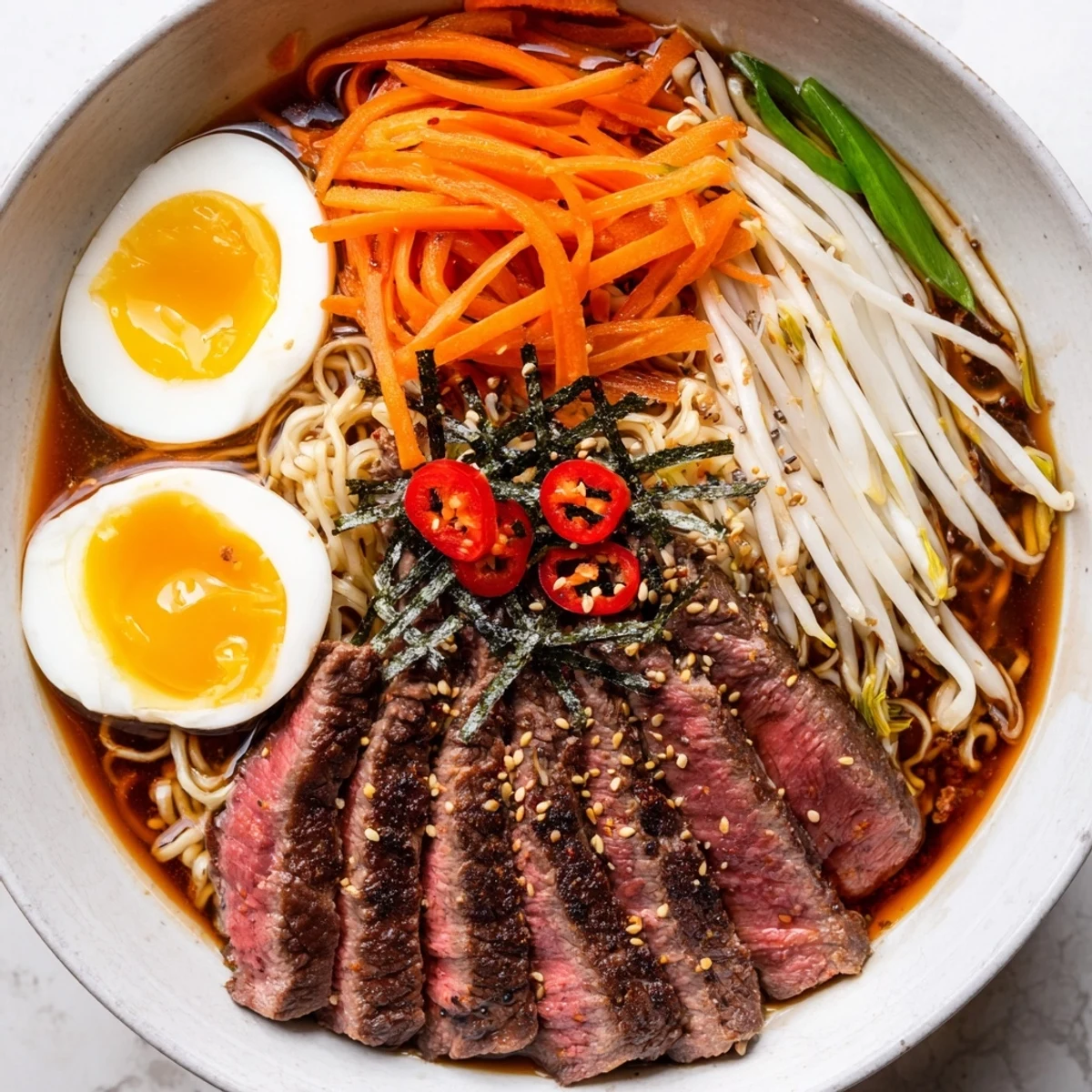
- Ladle steaming broth over noodles, then arrange beef, halved eggs and toppings in each bowl like you are plating at a restaurant.
 Save
Save This recipe has become my go-to for dinner parties because everyone gathers around the stove, watching and asking questions, then sits down to perfectly customized bowls. There is something about building your own ramen that brings people together in the best way.
Making The Broth Your Own
Once you master this base, you can experiment with different chili pastes, add a splash of coconut milk for richness, or toss in mushrooms while the broth simmers. I keep a notebook of broth variations that worked well, and sometimes the happy accidents end up being family favorites.
Noodle Choices
Fresh ramen noodles are worth seeking out at Asian markets, but good-quality dried ramen or even udon noodles work perfectly fine. The key is cooking them just until al dente, since they continue softening in the hot broth.
Topping Ideas
Beyond the classic toppings, try quick-pickled cucumbers, corn kernels, or even a pat of butter for richness. Leftover roasted pork or shredded chicken can substitute for beef when you need a quicker version.
- Prepare toppings ahead so you can assemble quickly
- Keep some broth warm on the stove for seconds
- Have extra chili paste on the table for heat lovers
 Save
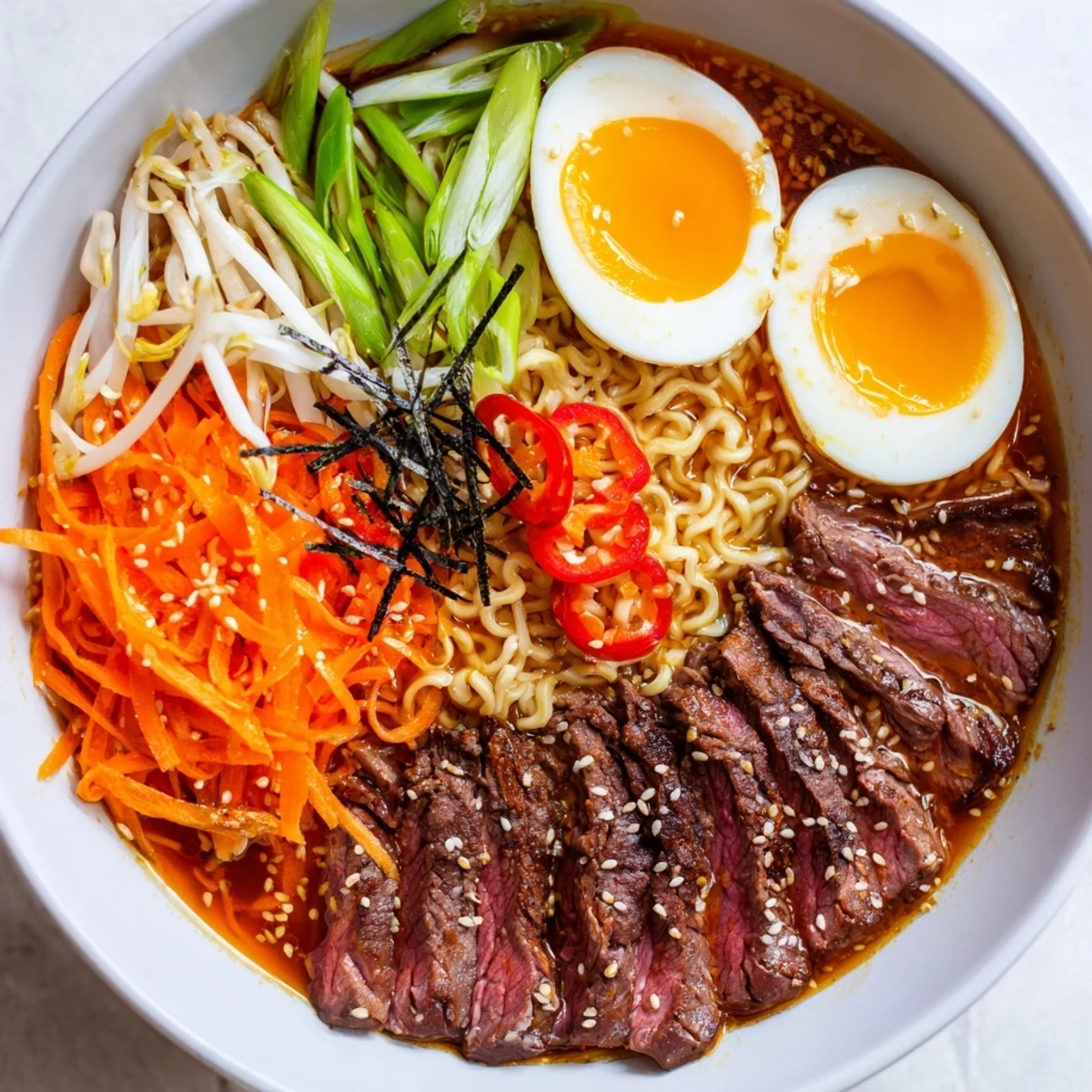
Save There is something deeply satisfying about making restaurant-quality ramen in your own kitchen. Once you taste that first slurp of spicy, rich broth, you will understand why this recipe is worth keeping.
Recipe FAQs
- → How do I achieve perfectly soft-boiled eggs?
-
Boil eggs for 6–7 minutes, then immediately transfer to ice water to stop cooking. Peel when cooled for tender, creamy yolks.
- → Can I adjust the spice level in the broth?
-
Yes, vary the chili paste amount to suit your heat preference, balancing with the sweetness from brown sugar.
- → What cut of beef works best for this dish?
-
Thinly sliced sirloin or flank steak sears quickly and remains tender in this preparation.
- → Are there suitable protein alternatives?
-
Chicken, tofu, or mushrooms can replace beef for different textures while maintaining rich flavors.
- → How can I keep noodles springy and fresh?
-
Cook noodles just until tender according to package instructions, then drain promptly and serve immediately with hot broth.
- → What garnishes enhance the dish?
-
Bean sprouts, julienned carrot, spring onions, nori strips, sesame seeds, and optional chili slices add texture and brightness.