
 Save
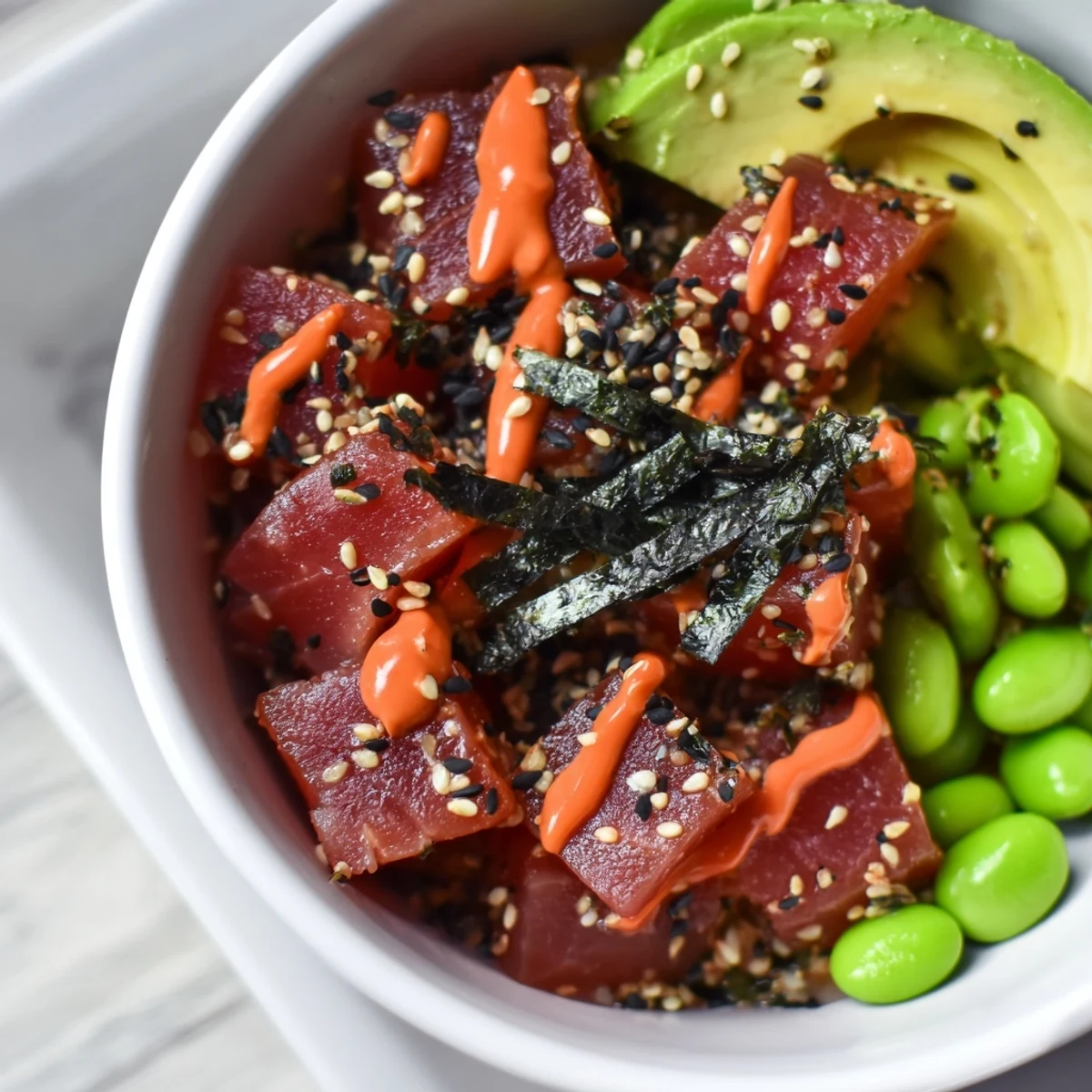
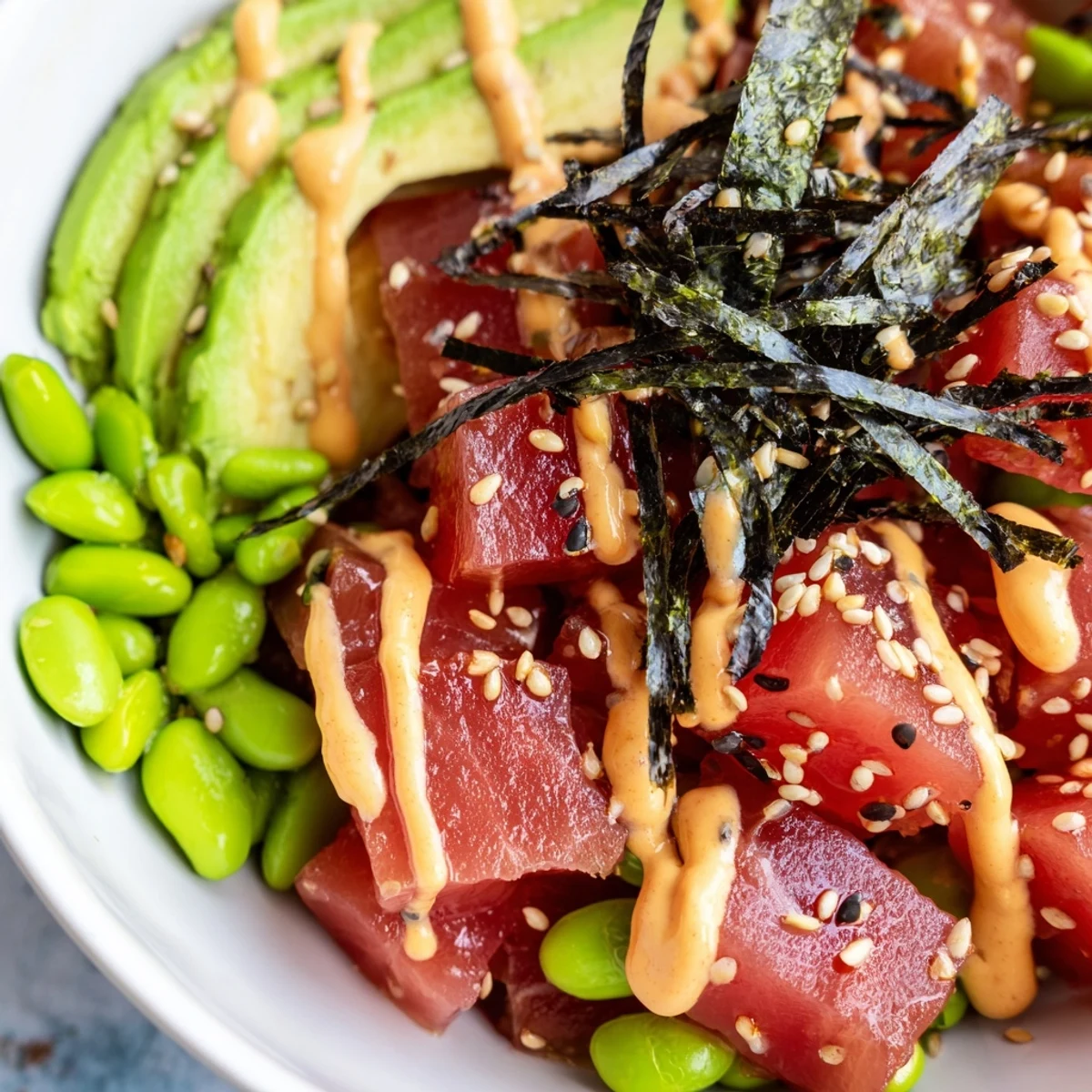
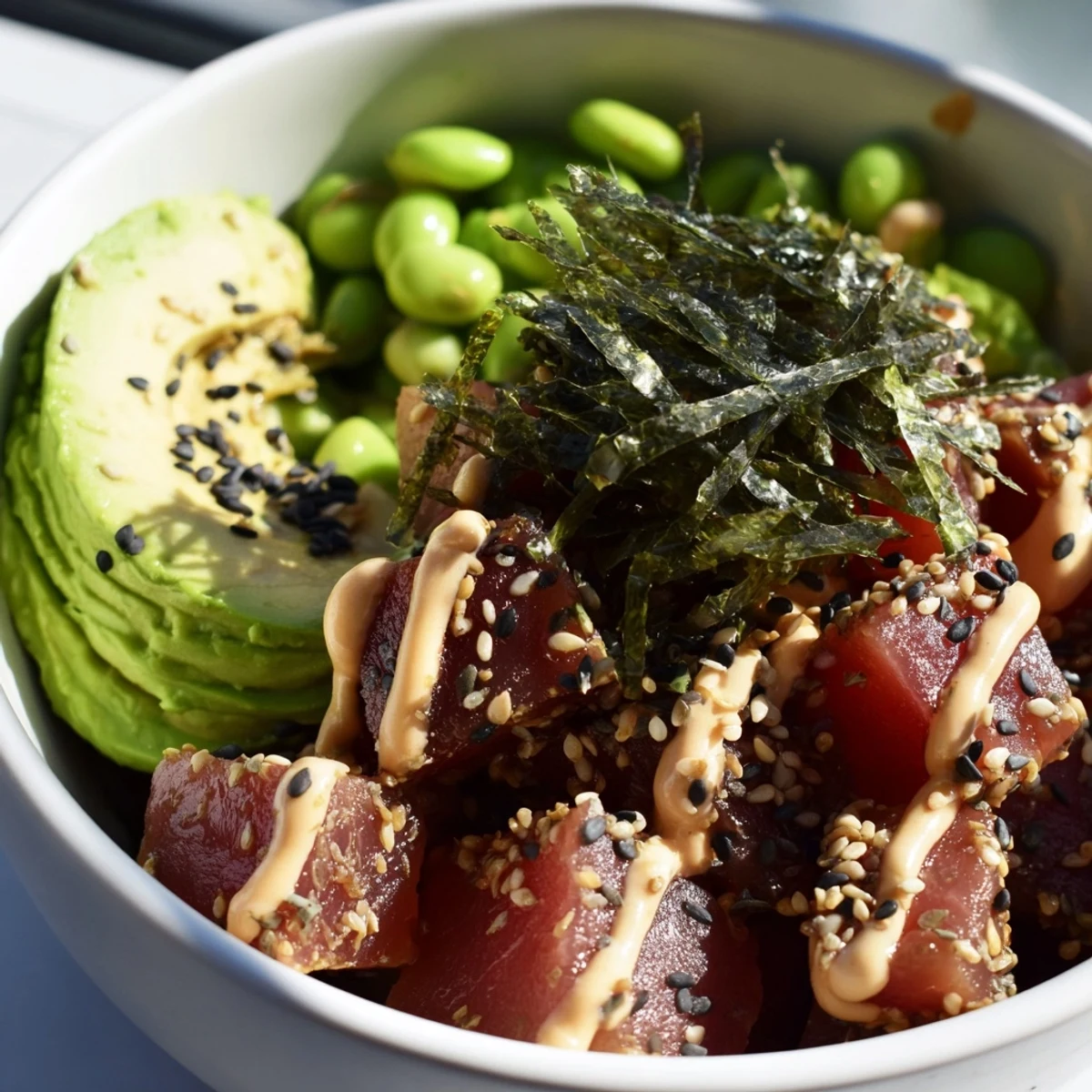
Save This spicy tuna poke bowl blends tender, marinated tuna cubes with fresh avocado, cucumber, carrot, and edamame on a bed of sushi rice. The creamy sriracha mayo adds a perfect kick, balanced by pickled ginger and toasted sesame seeds. Tossed with a soy-based marinade and garnished with nori strips and green onions, it offers a colorful, refreshing, and well-balanced fusion of textures and flavors ready in just 25 minutes.
I discovered poke bowls on a humid July afternoon when a coworker came back from lunch raving about the silky tuna and that incredible sriracha kick. What struck me wasn't just how good it tasted, but how simple it was—no cooking required, just fresh ingredients and bold flavors coming together in minutes. That night I decided to recreate it at home, and now it's become my go-to when I want something that feels restaurant-quality but doesn't demand hours in the kitchen.
I remember making this for friends on a Friday evening, and watching their faces light up when they realized how elegant and nourishing it felt was special. One friend, who usually skipped fish, came back for seconds and asked if I'd make it for her dinner party the following month.
Ingredients
- Sushi-grade tuna, diced: The quality of your tuna makes everything—look for deep red color and buy from a trusted fishmonger who explicitly labels it sushi-grade; it should be fresh-smelling with no ammonia notes.
- Soy sauce: Use tamari if you're steering clear of gluten, or swap it entirely if you prefer a lighter marinade without as much salt.
- Sesame oil: Toasted sesame oil has that nutty depth; just a tablespoon goes a long way so don't overdo it or it'll overpower the tuna.
- Rice vinegar: The subtle tang keeps the marinade bright without being aggressive like white vinegar would be.
- Honey or agave: A touch of sweetness balances the heat and salt—this is the detail that makes homemade taste like the restaurants get it.
- Sriracha: Adjust the amount based on your heat tolerance; I learned the hard way that more isn't always better in the marinade itself since the mayo adds extra later.
- Green onion and sesame seeds: These finish the marinade with texture and a subtle onion sharpness that keeps it from tasting flat.
- Japanese Kewpie mayonnaise: It's creamier and slightly sweeter than regular mayo, giving the sauce a silky quality that makes a real difference; regular mayo works but doesn't have quite the same richness.
- Lime juice: Fresh lime is essential here—bottled won't give you that bright, living quality the sauce needs.
- Sushi rice: Make sure it's cooled completely or it'll wilt everything on top; warm rice also causes the toppings to get mushy.
- Avocado: Slice it just before assembling so it stays creamy and doesn't brown or get that odd mealy texture.
- Cucumber, carrot, edamame: These provide crunch, color, and nutrition—the contrast against the soft tuna is exactly what makes the bowl feel complete.
- Nori, pickled ginger, and sesame seeds: These garnishes add umami, tartness, and nutty flavor in the final bites; they're not just decoration.
Instructions
- Make the marinade and coat the tuna:
- Combine soy sauce, sesame oil, rice vinegar, honey, sriracha, green onion, and sesame seeds in a bowl—you want it to smell fragrant and slightly glossy. Add your diced tuna gently, folding it to coat evenly without breaking the pieces up, then refrigerate for 10 to 15 minutes while the flavors sink in.
- Whisk together the sriracha mayo:
- In a separate small bowl, whisk mayonnaise, sriracha, and lime juice until you get a smooth, pourable consistency. Taste it and adjust the sriracha if you want more heat—remember this will be drizzled over everything, so flavor matters here.
- Prepare your base:
- Divide the cooled sushi rice evenly among four bowls, spreading it gently so it forms an even bed. Cold rice holds its shape better and won't turn mushy when the toppings sit on top.
- Arrange the toppings:
- Layer the marinated tuna in the center of each bowl, then arrange avocado slices, cucumber, carrot, edamame, and pickled ginger around it in sections. Think of it like a painter's palette—you want color contrast and the eye should want to explore the whole bowl.
- Finish with the sriracha mayo:
- Drizzle the creamy sauce generously over the tuna and across the bowl in a few swoops. This is where you add that restaurant-worthy visual touch.
- Garnish and serve:
- Top with nori strips, extra sesame seeds, and sliced green onions, then serve immediately so the rice stays firm and the avocado doesn't darken.
 Save
Save There's something about eating this bowl that feels like a small act of self-care—the colors are so alive, the flavors are so clear, and you're eating something genuinely good for you while also feeling a little bit fancy. It's become my favorite way to feed myself well without overthinking it.
Why This Bowl Wins Every Time
The secret to why poke bowls have taken over every coastal restaurant isn't just about the tuna—it's about the architecture of flavors and textures stacked on top of each other. Every element has a job: the cool avocado softens the heat, the pickled ginger cuts through the richness, the nori adds umami depth, and the rice holds everything together. When you nail the balance, you're not just eating a bowl; you're experiencing a harmony that keeps you coming back.
The Magic of Marinating
I used to think marinating for hours made things better, but with tuna this delicate, less is genuinely more. Those 10 to 15 minutes are enough for the flavors to embrace the tuna without turning it into something that tastes like pure soy sauce. The marinade should enhance the tuna's natural sweetness, not mask it.
Customizing Your Bowl
The beauty of a poke bowl is that it bends to what you have and what you crave. I've made versions with cooked shrimp when I couldn't find good tuna, added mango when I wanted brightness, and swapped in crispy tofu for a vegetarian friend who wanted the same umami satisfaction. The structure stays the same; the ingredients dance around based on what's in season or what your mood is that day.
- Try adding radishes for extra crunch or microgreens for a lighter, peppery note.
- Swap regular mayo for coconut mayo if you want dairy-free and creamier, or use Greek yogurt mixed with lime and sriracha for a tangier angle.
- Layer in some sautéed mushrooms or roasted chickpeas if you want plant-based protein instead of fish, and the marinade works just as well.
 Save
Save This bowl has become my answer to wanting something that feels fancy, tastes incredible, and doesn't require apologies or stress. Make it for yourself when you need to feel nourished, or serve it to people you want to impress—it does the work for you.
Recipe FAQs
- → How should the tuna be prepared for this poke bowl?
-
Use sushi-grade tuna, diced into 1 cm cubes and marinated briefly in a soy-sesame mixture for optimal flavor and texture.
- → What ingredients make the spicy mayo sauce?
-
The sauce combines mayonnaise, sriracha, and lime juice for a creamy, tangy heat complementing the tuna and vegetables.
- → Can this bowl be made gluten-free?
-
Yes, substitute tamari for soy sauce and confirm all ingredients are gluten-free to maintain the bowl’s integrity.
- → Which fresh vegetables are included in the bowl?
-
Avocado slices, thinly sliced cucumber, julienned carrot, and cooked edamame add crispness and color.
- → What garnishes enhance the poke bowl?
-
Nori strips, toasted sesame seeds, pickled ginger, and sliced green onions provide varied texture and aromatic flavors.
- → Is any cooking required for this dish?
-
The dish requires no cooking except preparing sushi rice; the tuna is served fresh and marinated.