
 Save
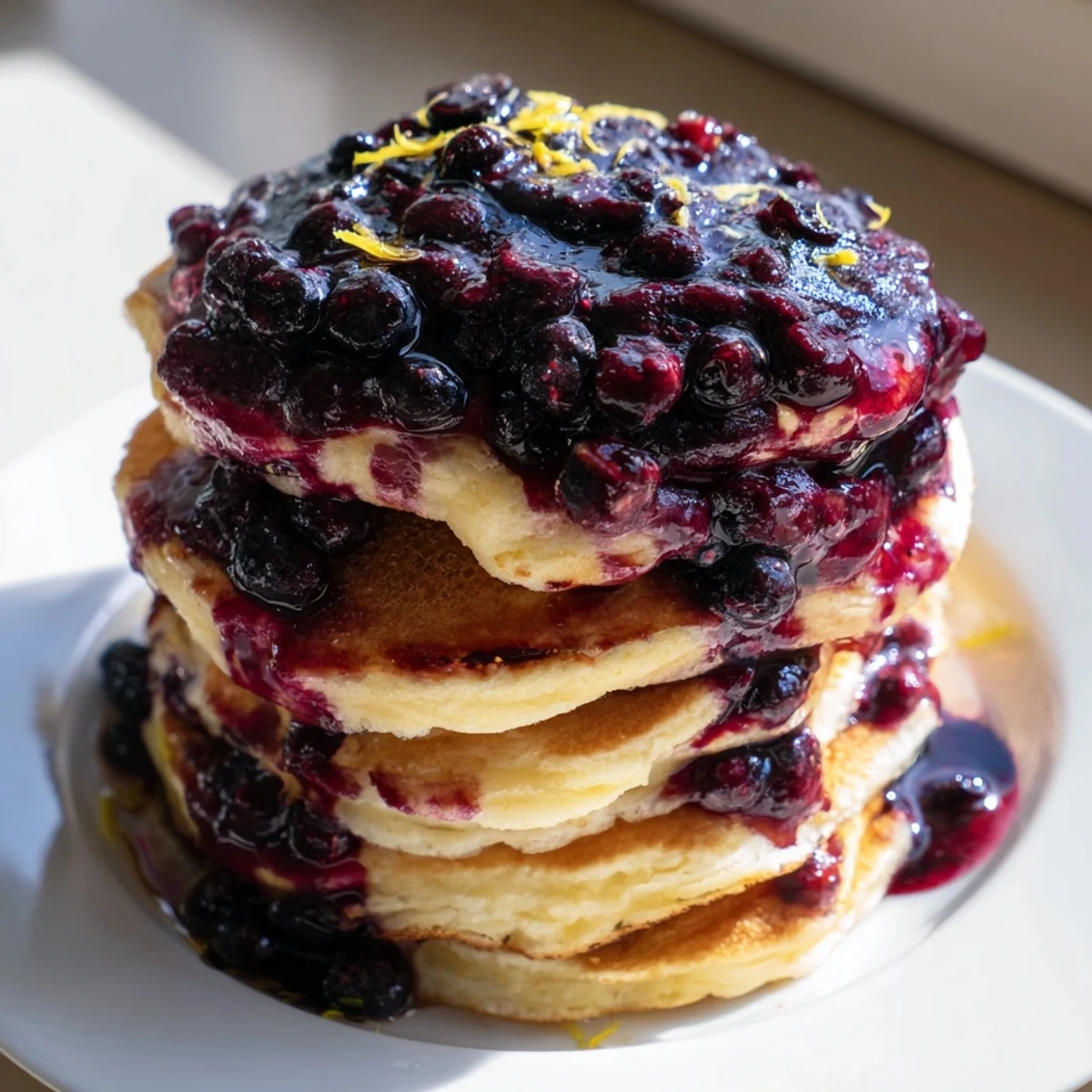
Save These fluffy pancakes combine tangy lemon zest and creamy ricotta for a light, tender texture. The warm blueberry syrup, simmered until luscious, adds a natural fruity sweetness. Soft egg whites are folded gently into the batter to create a delicate fluffiness. Cooked golden brown on a nonstick skillet with melted butter, they offer a luxurious start to the day. Perfect paired with sparkling water or a crisp beverage, this dish balances bright citrus notes with rich creaminess.
There's something about the smell of lemon zest hitting hot butter that makes a Sunday morning feel like an occasion. I discovered these ricotta pancakes by accident, really—a friend dropped off a container of fresh ricotta and I had this stubborn craving for something bright and fluffy that wouldn't feel heavy after breakfast. One attempt in, I was folding those egg whites and suddenly understood why my pancakes had always felt dense. These changed everything.
I made these for my sister's birthday brunch last spring, and she actually put her phone down mid-scroll, which if you know her at all, is basically a marriage proposal to the food. I remember her eyes closing when she took that first bite, syrup dripping onto her napkin, and thinking this was the exact reason I love cooking for people. The whole table went quiet except for the sound of forks, and honestly, that's all the validation a recipe needs.
Ingredients
- Ricotta cheese (1 cup): This is the star—it adds moisture and a subtle tang that regular flour can't give you, plus it creates that signature airy crumb. Don't skip it or substitute with cottage cheese; the texture really matters here.
- All-purpose flour (1 cup): Keep it simple; you're not looking for structure like in bread, just enough to hold everything together while ricotta does the heavy lifting.
- Eggs, separated (2 large): The yolks go in the batter for richness, and those whites get beaten and folded in last—that's your secret weapon for fluffiness.
- Fresh lemon zest and juice: Don't use bottled juice here; the zest is what makes people ask if you added something special, and fresh juice balances the richness perfectly.
- Baking powder and baking soda (1 tsp and 1/4 tsp): They work together to lift the pancakes—the combination matters, so measure carefully.
- Fresh or frozen blueberries (1 1/2 cups): Frozen actually work better for syrup since they break down faster and release their juice; no need to thaw them first.
- Unsalted butter (2 tbsp melted, plus more for cooking): The melted butter in the batter adds moisture, and you'll want extra for the skillet—don't be shy with it on the griddle.
- Milk (3/4 cup) and vanilla extract (1/2 tsp): These round out the flavors without making the pancakes taste like vanilla cake; they're the quiet players that matter.
Instructions
- Simmer the blueberry syrup first:
- Combine blueberries, sugar, water, and lemon juice in a small saucepan and bring to a gentle simmer over medium heat, stirring occasionally until the berries burst and the mixture thickens, about 8 to 10 minutes. If you want it thicker, mix cornstarch with a teaspoon of water and stir it in, cooking for another minute until it coats the back of a spoon.
- Mix the wet ingredients until smooth:
- In a large bowl, whisk together ricotta, egg yolks, milk, lemon zest, lemon juice, vanilla, and melted butter until there are no lumps—this base is important because it distributes the flavor evenly. The mixture will look thinner than you might expect, but that's exactly right.
- Combine dry ingredients separately:
- In another bowl, whisk together flour, sugar, baking powder, baking soda, and salt; this prevents lumps and makes sure the leavening agents spread throughout. Stir the dry mixture into the wet ingredients just until combined—do not overmix, or you'll have tough pancakes instead of tender ones.
- Beat and fold the egg whites:
- In a clean bowl (important: any grease will prevent them from getting fluffy), beat the egg whites until they reach soft peaks, then gently fold them into the batter in two additions. You want to see streaks of white still visible after folding—overworking them defeats the whole purpose of separating them in the first place.
- Heat the skillet and cook with patience:
- Heat a nonstick skillet or griddle over medium heat and brush it lightly with butter, then pour 1/4 cup batter per pancake. Wait for bubbles to form on the surface and the edges to look set (about 2 to 3 minutes) before flipping, then cook the other side until golden and cooked through.
- Stack and serve immediately:
- Transfer pancakes to plates and spoon the warm blueberry syrup over the top while everything is still hot. If you need to hold them, loosely cover with foil in a 200°F oven, but they're best eaten right off the skillet.
 Save
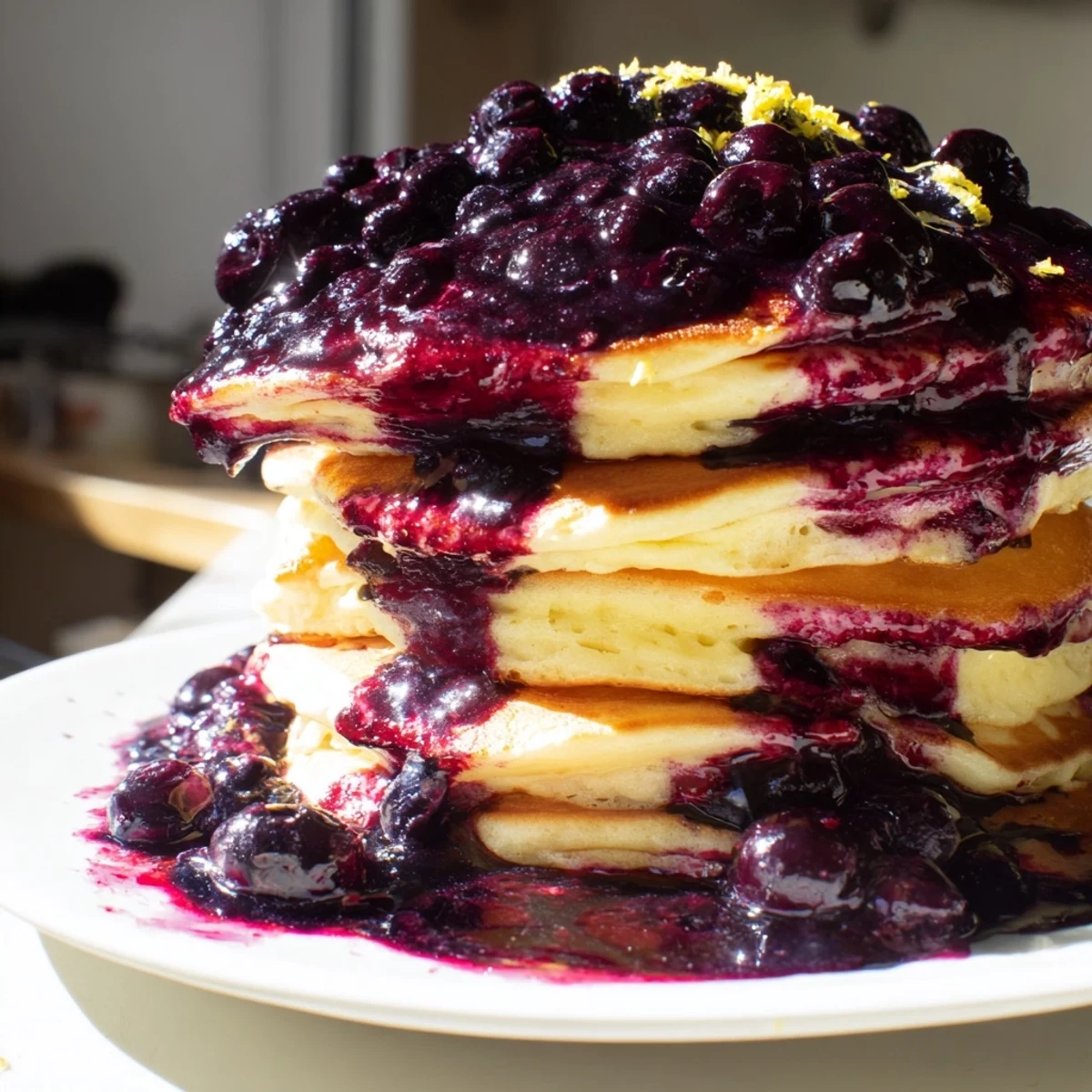
Save These pancakes somehow turned into the thing I make when someone needs a little comfort, or when the morning just needs to feel special. There's something about folding those egg whites and knowing exactly what comes next that makes me feel capable in the kitchen.
Why Lemon and Ricotta Work So Well Together
Ricotta is naturally mild and creamy, almost neutral, which means it becomes the perfect canvas for bright, acidic lemon to shine. The lemon zest adds this floral note that makes people tilt their heads and try to figure out what they're tasting, while the juice cuts through the richness and keeps the pancakes from feeling heavy. It's the kind of combination that feels fancy but happens to be dead simple—lemon doesn't mask ricotta; it amplifies it.
Making the Syrup Taste Like More Than Berries
The secret is not to oversimplify it; lemon juice in the syrup echoes the pancakes and makes the whole plate feel intentional instead of random. Fresh blueberries release their pectin as they cook, which naturally thickens the syrup, so you don't actually need cornstarch unless you're going for something closer to jam. I learned to taste as I go and add a tiny pinch more sugar if the berries are extra tart, because the syrup should complement the pancakes, not compete with them.
The Small Moves That Matter Most
Temperature control on the griddle is quieter than it sounds—medium heat is your friend, because rushing with higher heat gives you burned bottoms and raw centers. Let the batter rest for a minute or two after folding in the egg whites; it helps the leavening agents do their job without you having to think about it. The butter on the skillet isn't just for flavor; it's what gives you those golden edges that make people actually want to eat breakfast.
- Use fresh lemon juice and zest every single time—bottled juice tastes like sadness next to fresh.
- If your blueberries are frozen, toss them in a teaspoon of cornstarch before adding them to the syrup so they don't break down into mush.
- Ricotta pancakes are best eaten hot, so call people to the table before you flip the last batch.
 Save
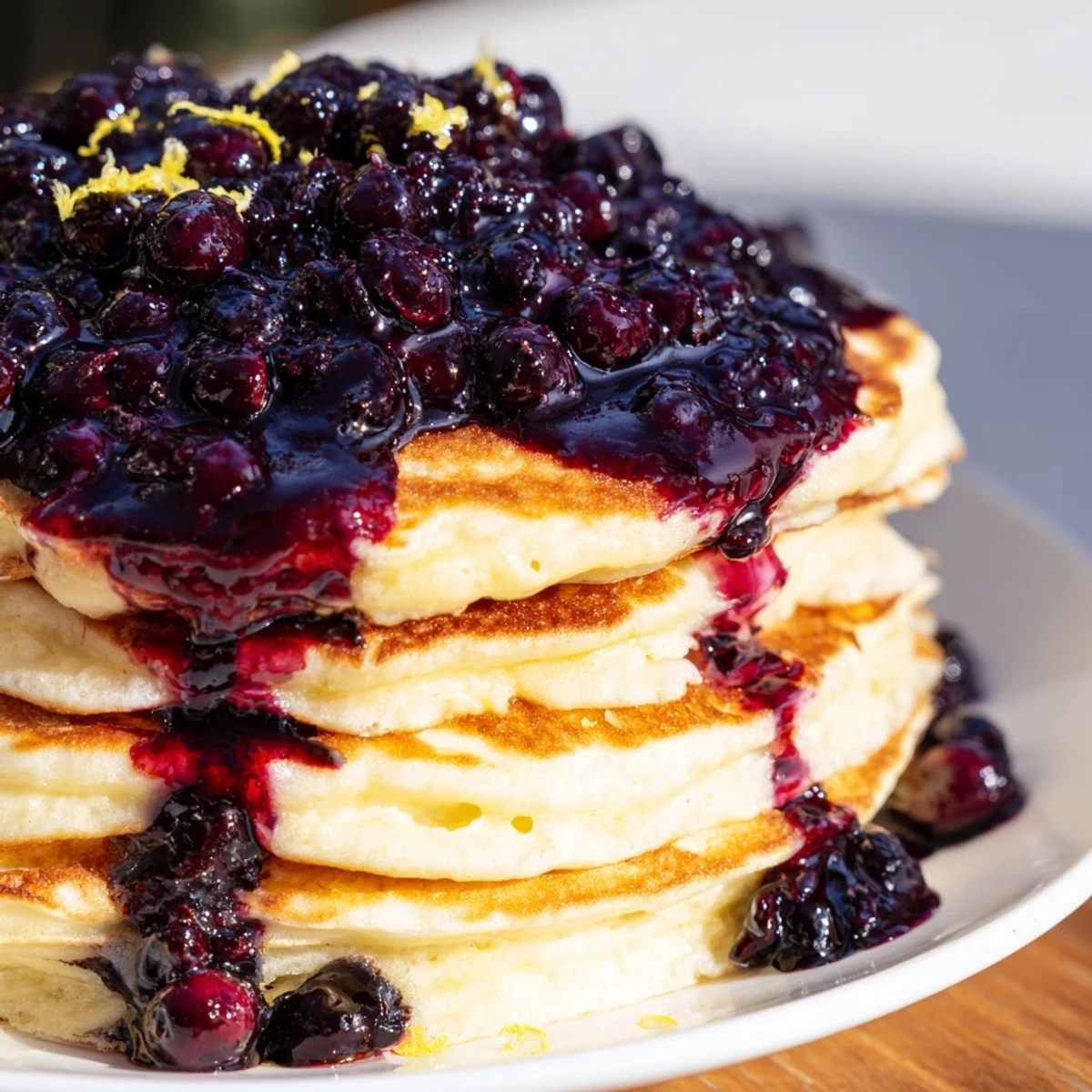
Save These pancakes are the kind of recipe that makes a regular morning feel like a moment worth remembering. Make them, feed them to someone you like, and watch their face change.
Recipe FAQs
- → How do ricotta and lemon affect the pancake texture?
-
Ricotta adds creaminess and moisture, while lemon zest and juice give a fresh, tangy flavor that brightens the batter.
- → What is the purpose of beating egg whites separately?
-
Beating egg whites creates air pockets that lighten the batter, resulting in fluffy, tender pancakes.
- → How can the blueberry syrup be thickened?
-
Mixing cornstarch with water and stirring it into the simmering syrup helps thicken it for a richer consistency.
- → Can frozen blueberries be used for the syrup?
-
Yes, frozen blueberries work well and produce a similarly flavorful syrup when simmered gently.
- → What adjustments can enhance the lemon flavor?
-
Adding extra lemon zest or a splash of lemon extract intensifies the citrus character without altering texture.