
 Save
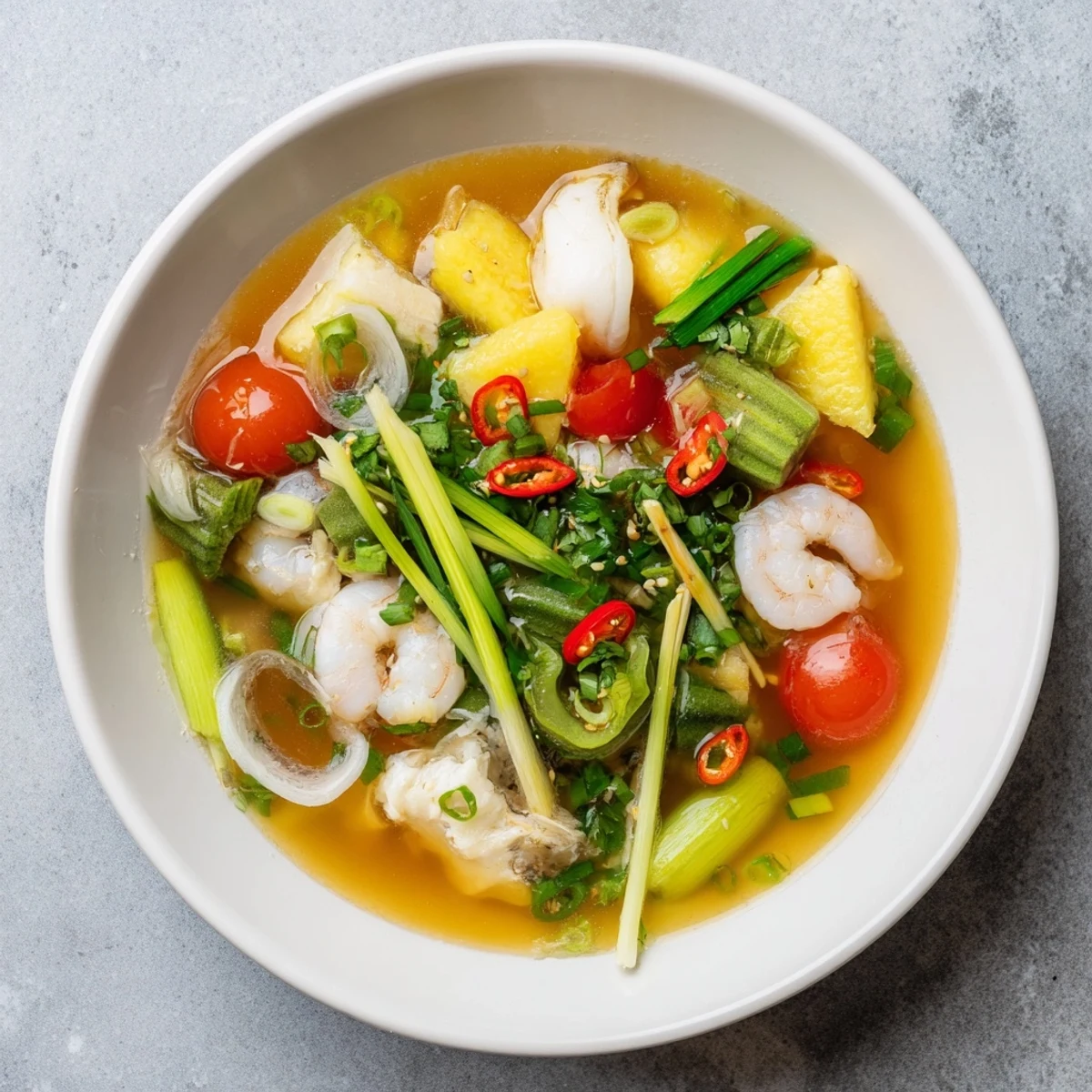
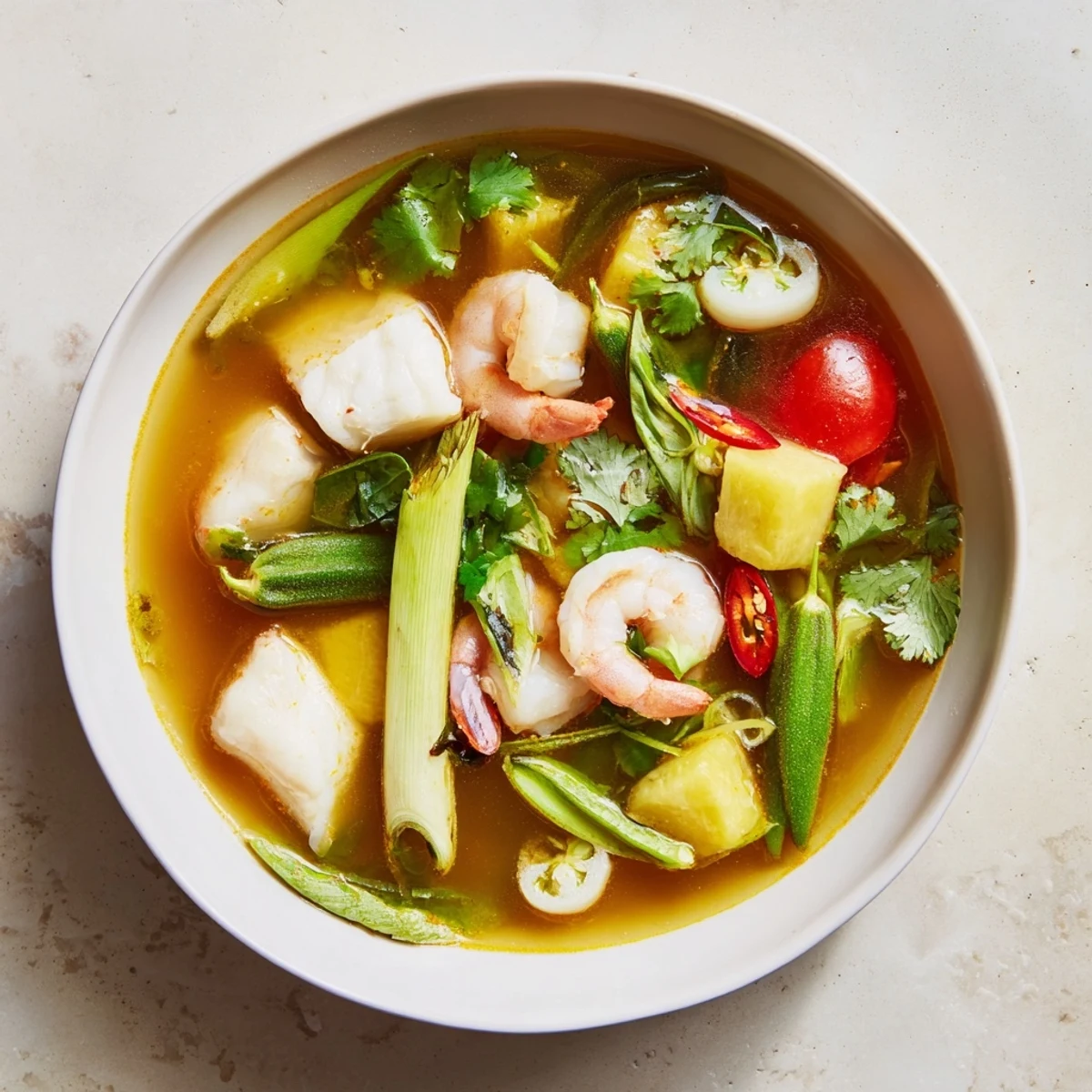
Save This traditional Vietnamese sour soup combines tender white fish and shrimp with sweet pineapple, aromatic herbs, and a tangy tamarind broth. The balance of flavors comes from fish sauce, sugar, and tamarind paste, creating a refreshing yet comforting bowl. Perfect served over steamed jasmine rice, this wholesome soup takes just 40 minutes from start to finish and naturally accommodates gluten-free and dairy-free diets.
The first time my aunt made Canh Chua for our family dinner, the whole house filled with this incredible sour-sweet aroma that made everyone drift into the kitchen. She taught me that the secret isnt following a strict recipe but tasting and adjusting until the flavors dance on your tongue. That rainy evening, watching her drop fresh herbs into the steaming pot, changed how I thought about soup forever.
Last summer, my neighbor who grew up in the Mekong Delta shared her version with me, and I was blown away by how the simple act of adding bean sprouts at the very last moment transformed the entire texture. She told me her grandmother would judge a cook by how crisp the vegetables remained in the finished soup. Now I always keep an extra bag of bean sprouts in my fridge just in case.
Ingredients
- White fish fillets (400 g): Catfish or tilapia hold up beautifully in the hot broth without falling apart
- Shrimp (150 g): Optional but adds lovely sweetness and complements the fish perfectly
- Pineapple (200 g): Fresh pineapple is non-negotiable here, it provides essential sweetness and natural acidity
- Tomatoes (2 medium): They soften into the broth, adding body and a subtle depth
- Bean sprouts (100 g): These add incredible crunch and must be added at the very end
- Lemongrass (2 stalks): Bruise them well with a knife to release those citrusy oils
- Tamarind paste (1 tablespoon): The heart of this soup, creating that distinctive tangy backbone
- Fresh herbs: Thai basil and sawtooth herb make this authentically Vietnamese
- Fish sauce (2 tablespoons): Use a good quality brand for the best umami flavor
Instructions
- Build the aromatic base:
- Heat oil in your large pot over medium heat, sauté garlic and onions until fragrant and translucent
- Infuse with lemongrass:
- Add lemongrass pieces and tomatoes, cook for 2 to 3 minutes until tomatoes begin to break down
- Create the broth:
- Pour in water or stock, bring to a gentle boil, then stir in tamarind paste and sugar
- Add hearty vegetables:
- Simmer pineapple, celery, and okra for 5 minutes to infuse their flavors into the broth
- Cook the seafood:
- Gently add fish and shrimp, simmer for 5 to 7 minutes until just cooked, skimming any foam that rises
- Balance the flavors:
- Season with fish sauce, salt, and pepper, adjusting tamarind and sugar to hit that perfect sweet-sour note
- Finish with fresh elements:
- Stir in bean sprouts and herbs, simmer just 1 to 2 minutes more, then serve immediately
 Save
Save My friend Lan once told me that in Vietnam, Canh Chua is often served when someone is feeling under the weather because the combination of hot broth and tangy flavors somehow feels restorative. After making it through a terrible flu last winter with a pot of this soup, I completely understand what she meant.
Choosing the Right Fish
Ive learned through trial and error that firmer white fish like catfish or snapper work best because they dont disintegrate in the simmering broth. Once I used a delicate fish and ended up with fish flakes throughout my soup, which was still tasty but not quite right.
The Tamarind Secret
My aunt always mixed her tamarind paste with a bit of hot water before adding it to the pot, ensuring it dissolves completely instead of forming little clumps. This small step prevents anyone from getting an unexpected mouthful of intensely sour concentrate.
Serving and Storing
This soup is best enjoyed immediately while the vegetables still have some bite, though leftovers will keep for a day or two in the refrigerator. I always reheat it gently to avoid overcooking the seafood.
- Never freeze this soup, the texture will never be the same
- Leftovers are perfect for a quick lunch the next day
- Add fresh herbs right before serving reheated portions
 Save
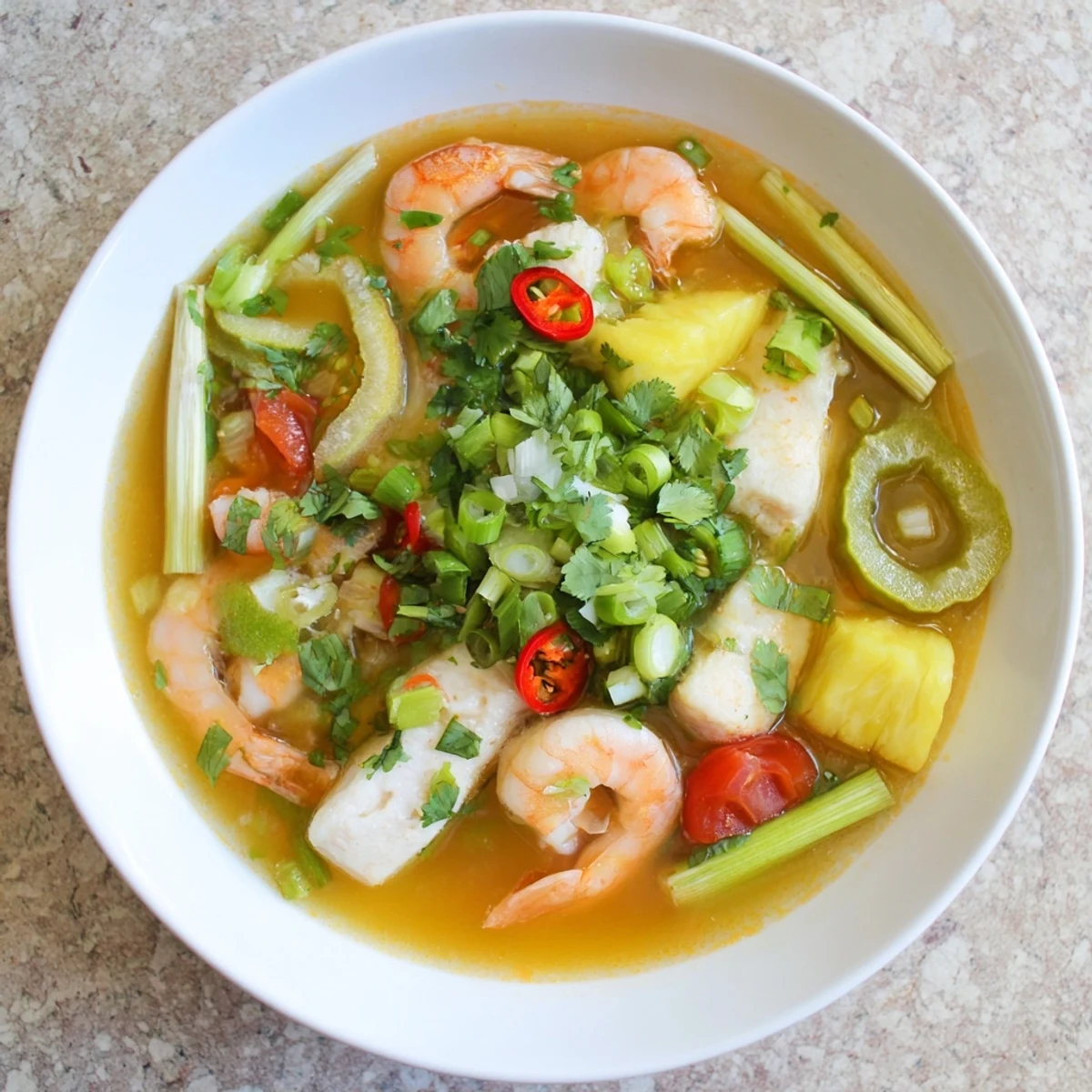
Save Theres something incredibly comforting about a steaming bowl of Canh Chua, with its complex flavors and vibrant colors, that makes even an ordinary Tuesday dinner feel special. I hope this recipe brings as much joy to your kitchen as it has to mine.
Recipe FAQs
- → What makes Canh Chua sour?
-
The sourness comes primarily from tamarind paste, which provides a deep, complex acidity. You can substitute fresh lime juice if tamarind isn't available, though the flavor profile will be slightly different.
- → What fish works best for this soup?
-
White fish fillets like catfish, tilapia, or snapper are traditional choices. These firm-fleshed fish hold up well during simmering without falling apart. Avoid delicate fish that might disintegrate in the hot broth.
- → Can I make Canh Chua vegetarian?
-
Yes, simply substitute the fish with firm tofu cubes and replace fish stock with vegetable stock. Use soy sauce or a vegetarian fish sauce alternative to maintain the savory depth.
- → How do I adjust the sweet and sour balance?
-
Taste the broth after adding tamarind and sugar. If too sour, add more sugar. If too sweet, increase tamarind paste or add a splash of lime juice. The broth should have a bright, balanced tanginess.
- → What herbs are essential for authentic flavor?
-
Fresh cilantro, Thai basil, and rice paddy herb (ngò om) are the classic trio. If unavailable, substitute with extra cilantro and sweet basil. Sawtooth herb adds authentic aroma but is optional.
- → Should I serve Canh Chua with anything?
-
Steamed jasmine rice is the traditional accompaniment. The rice balances the tangy broth and makes it a complete meal. Some also serve it with rice noodles for a lighter option.