
 Save
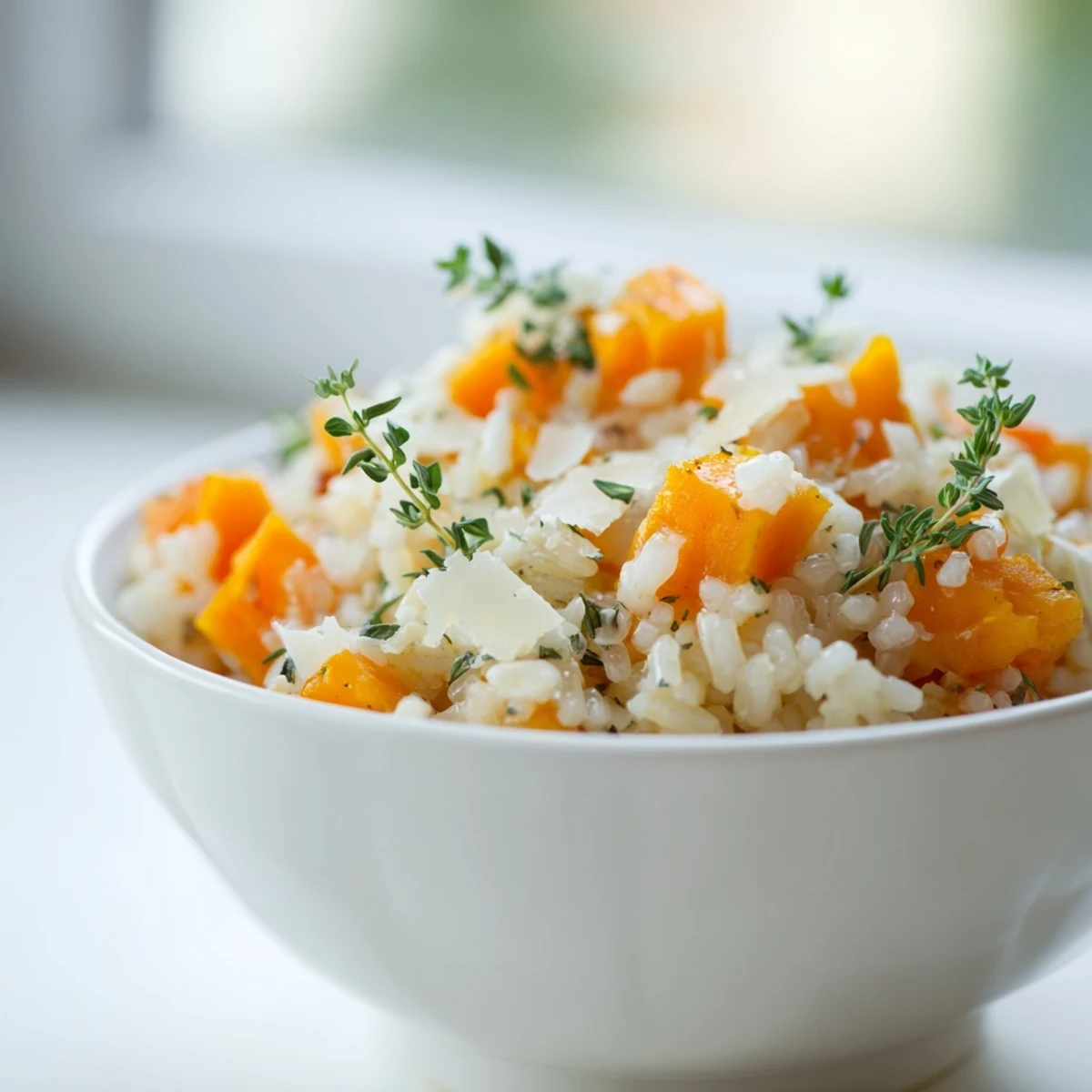
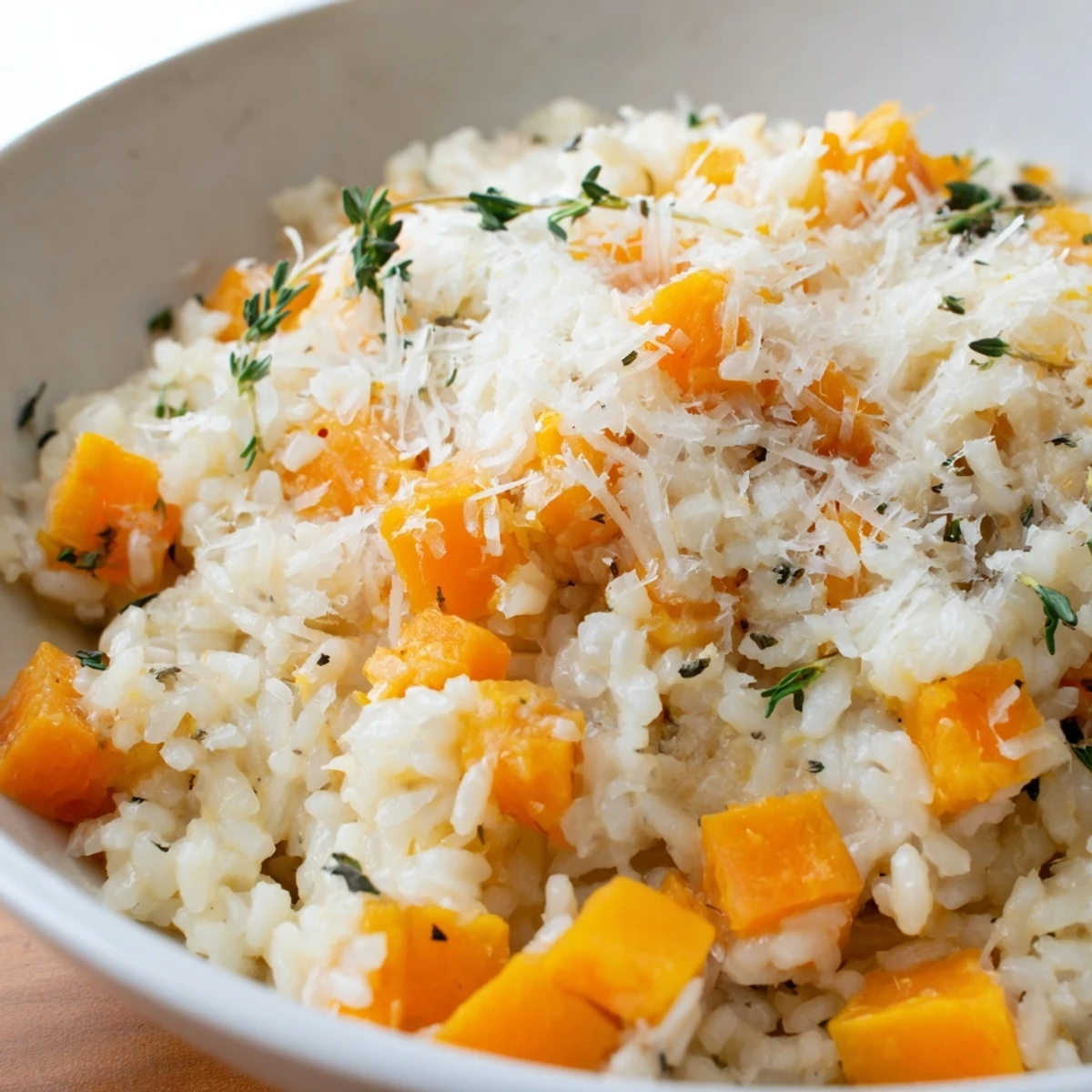
Save This dish blends tender winter squash with Arborio rice slowly cooked in warm vegetable broth and white wine. Enriched with butter and freshly grated Parmesan, it delivers a creamy, comforting texture. Aromatic onion, garlic, and a hint of thyme add depth, while a careful simmering process ensures a perfect al dente finish. Ideal for a hearty, flavorful vegetarian meal.
There's something about stirring a pot of risotto that forces you to slow down. Years ago, I watched my neighbor make this squash version on a chilly November afternoon, and the kitchen filled with this golden, nutty aroma that made everything feel instantly warmer. She didn't rush it—just kept adding broth, stirring, tasting, waiting. That patience is what makes risotto magic, and winter squash is the perfect partner because it softens into the rice without disappearing.
I made this for my partner on one of those nights when we both needed something warm and unhurried. We sat at the kitchen counter while it simmered, and halfway through the stirring, we just started talking about nothing in particular—the kind of conversation that only happens when your hands are busy but your mind is calm. That's when I realized this dish isn't just about eating well; it's about the rhythm of making something real.
Ingredients
- Winter squash (butternut or acorn), 2 cups diced: The sweet, tender flesh dissolves into the rice and creates its own sauce—butternut gives you reliability, while acorn is slightly nuttier if you want to experiment.
- Arborio rice, 1½ cups: This short-grain rice releases starch as it cooks, which is what creates that creamy texture without any cream—don't skip it or use long-grain rice.
- Vegetable broth, 5 cups, kept warm: Warm broth integrates faster and prevents the rice from cooling down between additions, which matters more than you'd think.
- Dry white wine, ½ cup: This adds acidity and depth that balances the squash's natural sweetness—don't use cooking wine.
- Unsalted butter, 3 tbsp total: Divided between the start and finish, it builds richness throughout and helps create the creamy finish.
- Parmesan cheese, ½ cup freshly grated: Grate it fresh if you can; pre-shredded cheese has anti-caking agents that mess with the texture.
- Onion, 1 small, finely chopped: This is your aromatic base—the slower it softens, the sweeter it becomes.
- Garlic, 2 cloves minced: A quick 30-second cook is all it needs to add flavor without turning bitter.
- Olive oil, 2 tbsp: Use regular olive oil here, not extra virgin—the heat will make it taste muted anyway.
- Salt and black pepper to taste: Add salt gradually as you stir; risotto absorbs salt differently than other dishes.
- Fresh thyme, optional: A few leaves scattered on top add a subtle herbaceous note that feels intentional.
Instructions
- Sauté your aromatics:
- Heat the olive oil and 1 tablespoon butter in your largest, heaviest saucepan over medium heat. Add the onion and let it sit undisturbed for a minute before stirring—this helps it soften and turn sweet rather than just translucent. Once it's soft, add the garlic, stir for 30 seconds until fragrant, then move on.
- Soften the squash:
- Add the diced squash and stir occasionally over the next 5–6 minutes. You're not trying to cook it all the way through; you just want it tender enough to break apart when stirred, which takes longer than you'd guess. If the bottom starts sticking, turn the heat down slightly.
- Toast the rice:
- Pour in the Arborio rice and stir constantly for 1–2 minutes. You'll notice the grains start to look slightly opaque and hear them click against the pan—that's toasting, and it adds a subtle nuttiness that matters. Stop before they brown.
- Add the wine:
- Pour in the white wine and stir until it's mostly absorbed into the rice. The rice will smell like white wine for a moment, then that scent will fade as the liquid integrates—this takes about a minute.
- Add broth gradually and stir:
- This is where patience becomes the real ingredient. Add one ladleful of warm broth and stir frequently, letting each addition absorb before adding the next. You're looking for a gentle simmer, not a rolling boil—the rice needs time to release its starch and create that creamy texture. Keep tasting a grain every few minutes; it should go from hard to tender over 20–25 minutes total, with the squash breaking down into the risotto. If you run out of broth and the rice still isn't quite tender, use hot water.
- Finish with butter and cheese:
- Once the rice is creamy and al dente (tender but still with a tiny bit of resistance), remove the pan from heat. Stir in the remaining 2 tablespoons butter and the freshly grated Parmesan cheese. The butter melts into the rice and carries the Parmesan throughout—this is called mantecatura, and it's what makes risotto feel luxurious rather than just well-cooked rice.
- Taste and serve:
- Season with salt and pepper to your liking. Risotto continues to thicken slightly as it sits, so if it looks creamy now, it'll be a touch thicker in 2 minutes—that's normal. Serve immediately in warm bowls, scattered with fresh thyme if you have it.
 Save
Save The first time I nailed this dish, I realized it wasn't about following a formula—it was about learning to recognize when the rice felt right between the spoon, when the squash had melted into the background, when the whole thing looked like something worth eating. That understanding changed how I cook everything else.
Why This Works in Winter
Winter squash arrives when it's needed most: sweet, dense, and forgiving. In risotto, it doesn't just add flavor; it adds texture that evolves as you stir. The warmth of the dish, the butter and cheese, the gradual creaminess—this is the kind of food that justifies turning the stove on when it's cold outside. It's humble enough for a weeknight dinner but feels special without the fuss.
Variations and Substitutions
If butternut squash isn't what you have, acorn squash works beautifully and tastes slightly earthier, while kabocha is denser and more chestnut-like. For a richer version, I've stirred in a splash of heavy cream right before the Parmesan, and it turns the whole dish almost velvety. You could also add a pinch of sage or rosemary with the thyme for an herbal edge, though that changes the flavor profile entirely—sometimes simple is better.
Serving and Pairing Ideas
Risotto stands on its own as a main course, but I've served it alongside a simple green salad dressed with lemon vinaigrette to cut through the richness. A crisp white wine like Pinot Grigio or even a dry Riesling alongside the risotto mirrors the wine in the pan and feels intentional. For something heavier, a light red like Pinot Noir works too, and crusty bread for soaking up any extra sauce on the plate is never a bad idea.
- Make a big batch and reheat gently with extra broth the next day—risotto takes kindly to leftovers if you treat it right.
- Serve in warm bowls straight from the cabinet, since risotto cools down fast and tastes better when it stays hot.
- If you're cooking for vegetarians, double-check your broth label to confirm it's truly vegetable-based with no hidden fish or chicken stock.
 Save
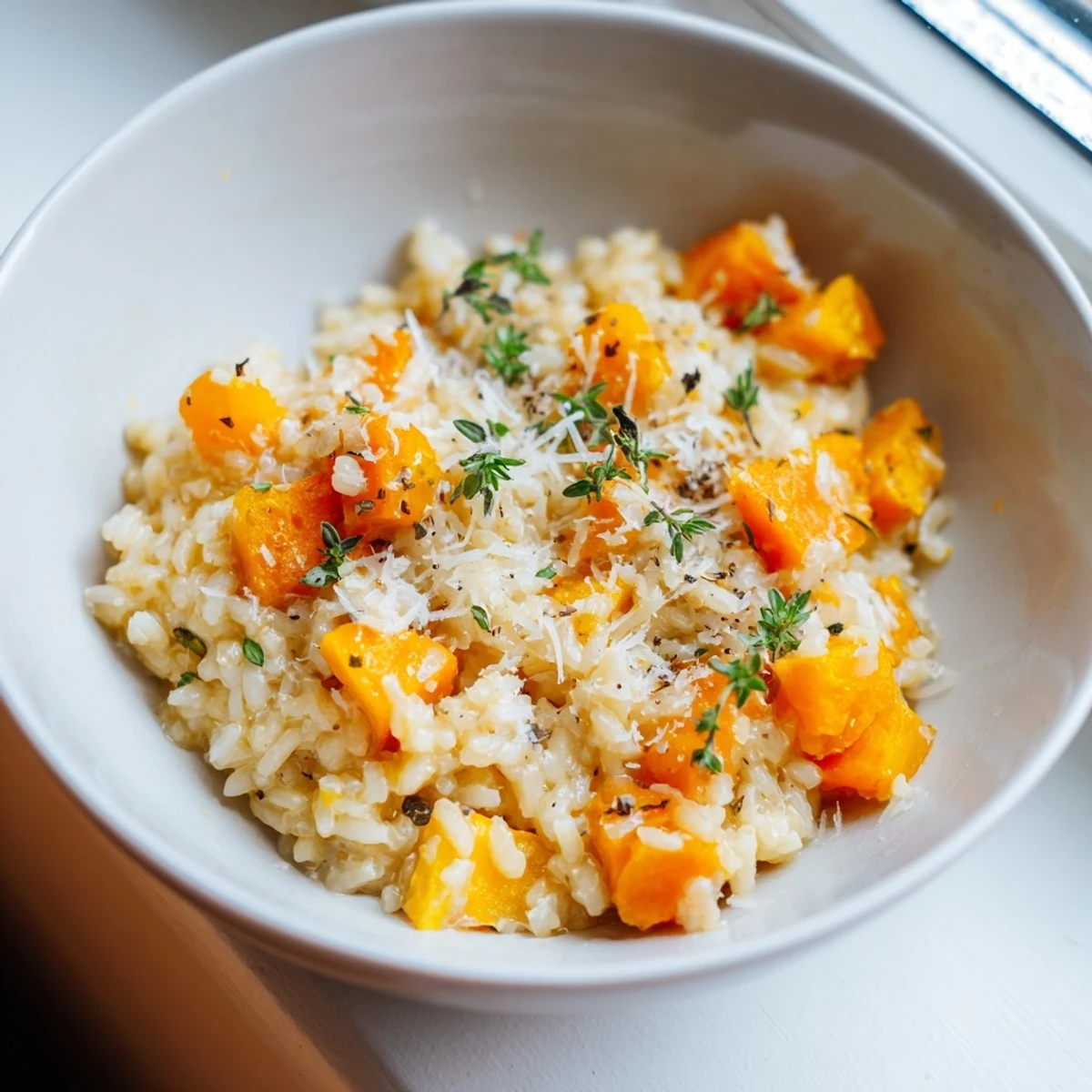
Save This dish teaches you something about cooking if you let it: that the best meals come from paying attention, stirring slowly, and not rushing toward the finish. Make it when you have time to enjoy the process, and it'll taste like you were never hurried at all.
Recipe FAQs
- → What type of squash works best in this dish?
-
Butternut is ideal for sweetness and texture, but acorn or kabocha are good alternatives.
- → Can I use a different type of cheese?
-
Parmesan provides a savory depth, but Grana Padano or Pecorino Romano can be used as substitutes.
- → How do I know when the risotto is done?
-
The rice should be creamy and tender but still slightly firm to the bite, not mushy.
- → Is it necessary to add the broth gradually?
-
Yes, adding warm broth slowly and stirring allows the rice to absorb liquid evenly for the signature creamy texture.
- → Can I make this dish vegan?
-
Substitute butter and Parmesan with plant-based alternatives and ensure vegetable broth is vegan-friendly.