
 Save
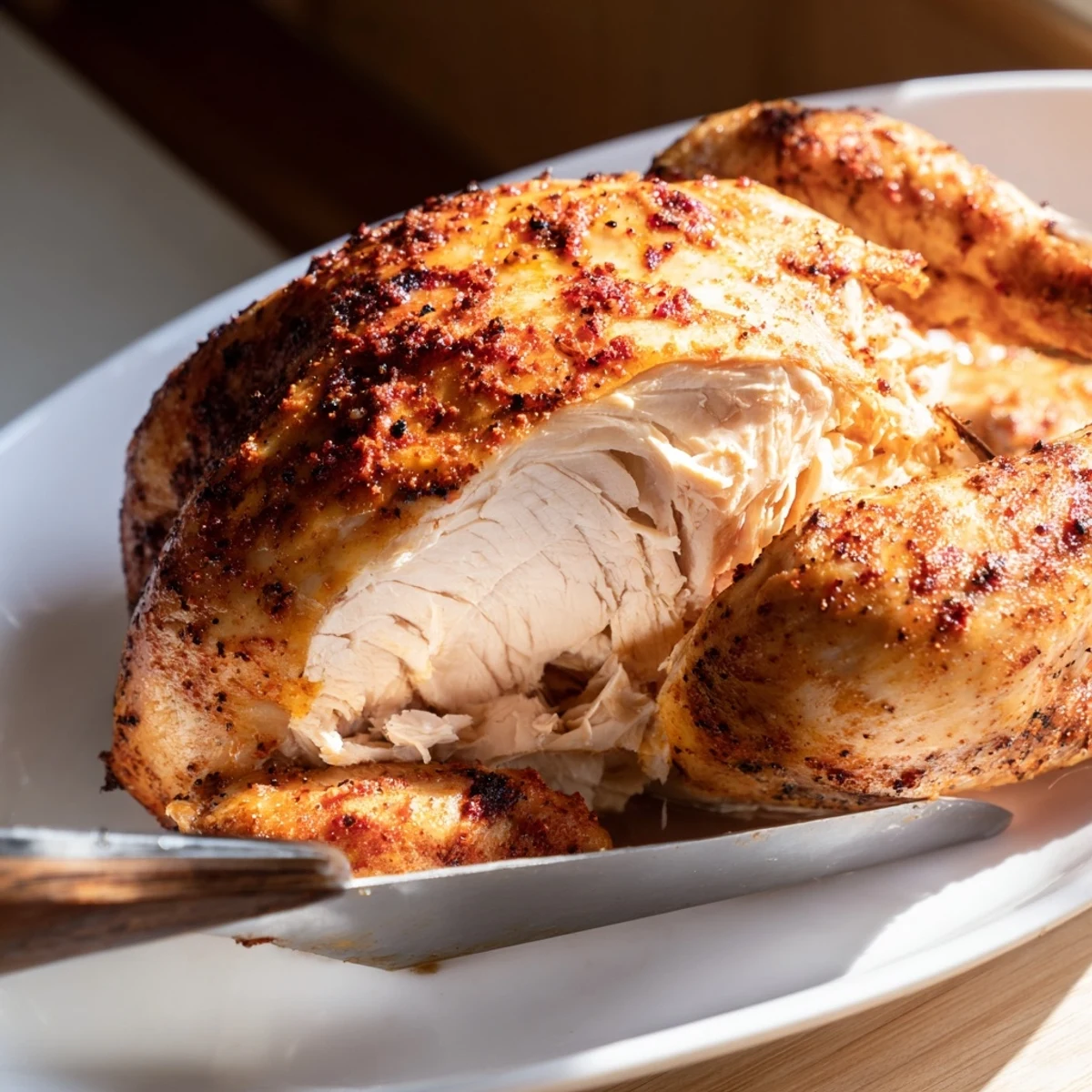
Save Create restaurant-quality rotisserie chicken in your own kitchen with this foolproof method. The whole bird emerges from the oven with irresistibly crispy, golden skin while the meat stays incredibly moist and juicy throughout.
A simple blend of olive oil, paprika, garlic and onion powder, plus fresh herbs creates a savory seasoning that penetrates deep into the meat. Roasting at the perfect temperature ensures the skin crisps beautifully while the interior cooks evenly to juicy perfection.
The technique works equally well in a standard oven or on a rotisserie spit, giving you flexibility based on your equipment. Letting the bird rest before carving is crucial—it allows the juices to redistribute throughout the meat.
The smell of roasting chicken still pulls me back to my tiny first apartment, where I'd crack the window to let the aroma drift down the hallway. My neighbor actually knocked once to ask what I was making, which turned into a standing Sunday dinner invitation. I've tweaked this method over years of experimentation, and now it's become the kind of meal that makes people pause mid-bite and ask for the recipe.
Last winter my sister came over during a snowstorm, and we ended up roasting two chickens while drinking wine and watching old movies. There's something about the ritual of trussing and seasoning that feels so satisfying, like you're creating something with your hands. Now whenever she visits, she asks if we can make that chicken again.
Ingredients
- 1 whole chicken (about 3.5–4 lbs): Room temperature chicken cooks more evenly, so take it out of the fridge 30 minutes before you start
- 2 tbsp olive oil: This helps the seasoning adhere and promotes that gorgeous golden color
- 2 tsp kosher salt: Don't skimp here, salting properly is what makes every bite flavorful
- 1 tsp freshly ground black pepper: Grind it right before you use it for the best aroma
- 1 tbsp paprika: Smoked adds depth, sweet gives you that classic rotisserie color
- 1 tsp garlic powder: Dried garlic mellows into the skin beautifully as it roasts
- 1 tsp onion powder: This creates an umami base that balances the brighter herbs
- 1 tsp dried thyme: Earthy and floral, thyme pairs perfectly with poultry
- 1/2 tsp dried rosemary: A little goes a long way, adding pine notes to the finish
- 1 lemon, halved: The acidity steams inside, keeping the meat moist
- 4 garlic cloves, smashed: They'll mellow and sweeten as the bird roasts
- 1 small onion, quartered (optional): Adds sweetness to the cavity aromatics
- Fresh herbs (optional): Extra sprigs of thyme, rosemary, or parsley reinforce the flavors
Instructions
- Preheat your oven or rotisserie:
- Set your oven to 375°F (190°C) or fire up your rotisserie grill following the manufacturer's guide
- Prep the chicken:
- Pat the chicken completely dry with paper towels, then gently slide your fingers under the skin of the breasts and thighs to loosen it
- Mix your seasoning:
- Whisk together the olive oil, salt, pepper, paprika, garlic powder, onion powder, dried thyme, and dried rosemary in a small bowl until combined
- Season thoroughly:
- Rub half the mixture directly under the loosened skin, then massage the remaining seasoning all over the exterior of the chicken
- Stuff the cavity:
- Pack the lemon halves, smashed garlic, onion quarters, and fresh herb sprigs inside the chicken to infuse it from within
- Truss the chicken:
- Tie the legs together with kitchen twine and tuck the wing tips underneath to help it cook evenly and look professional
- Rotisserie method:
- Secure the chicken onto the spit following your rotisserie's instructions, then roast for 1 hour 10–20 minutes until a thermometer reads 165°F in the thickest thigh part
- Oven method:
- Place the chicken breast side up on a rack in a roasting pan and roast for about 1 hour 20 minutes, basting occasionally, until deeply golden and the internal temperature reaches 165°F
- Rest before carving:
- Tent the chicken loosely with foil and let it rest for 10–15 minutes so the juices redistribute throughout the meat
 Save
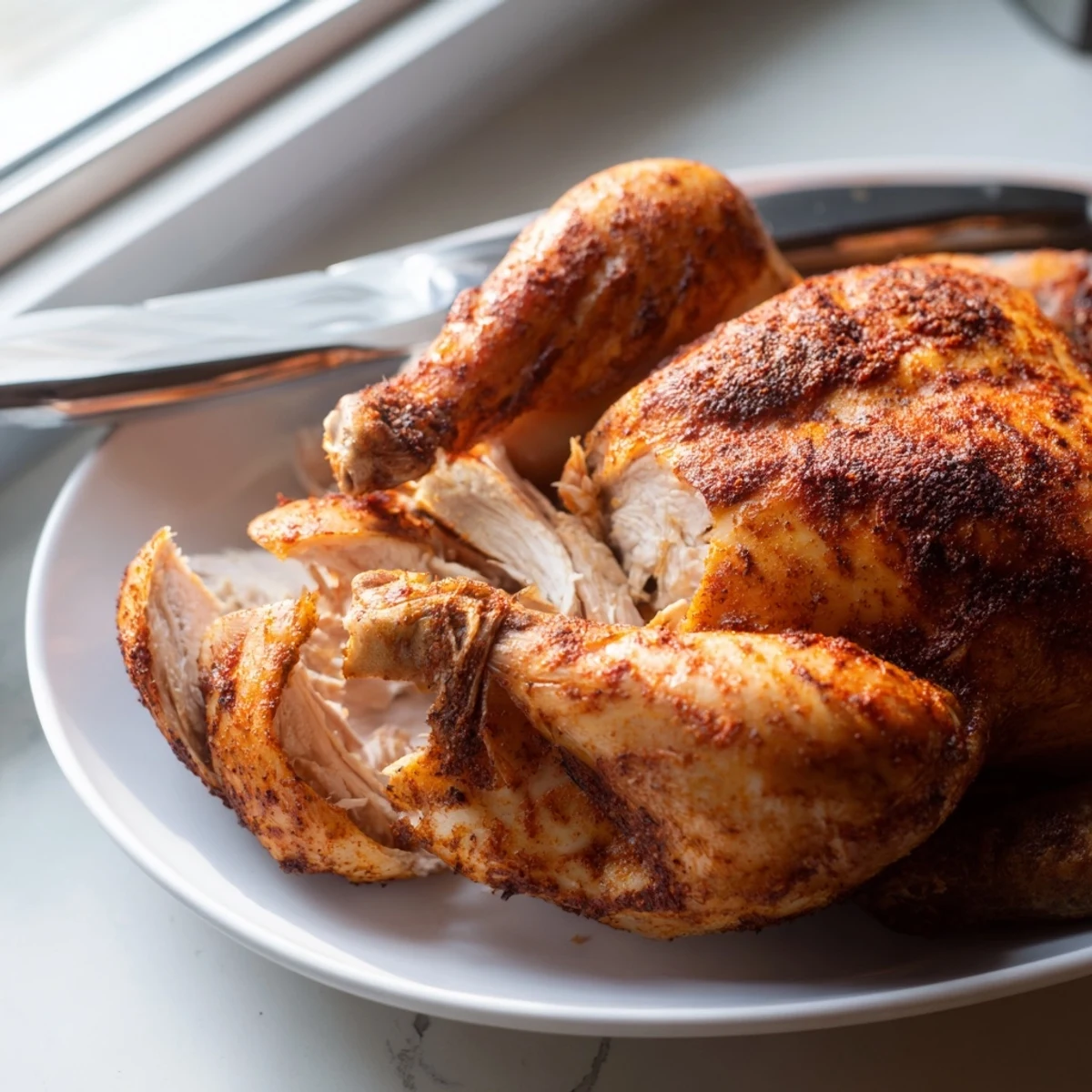
Save My friend once asked why my roast chicken looked and tasted so much better than hers. The secret turned out to be that she was skipping the step of loosening the skin and seasoning directly underneath. Now she sends me photos every time she makes it, proud as can be of her crispy skin and juicy meat.
Getting The Crispest Skin
Here's something I learned by accident after forgetting to cover chicken I was prepping the night before. Air drying the chicken in the refrigerator, uncovered, for anywhere from 2 to 12 hours before seasoning transforms the skin. The cold air dries out the moisture, leading to the crispiest, most golden skin you've ever had at home.
Choosing Your Cooking Method
While a rotisserie gives you that classic rotating roast and gorgeous all over browning, don't feel discouraged if you only have a standard oven. The roasting method produces equally delicious results, and you can always finish under the broiler for a minute if you want extra crispy skin. Both ways yield incredibly juicy, flavorful chicken.
Serving Ideas That Shine
This chicken makes the most incredible leftovers, so don't be afraid to roast two if you have the oven space. I love serving it alongside roasted root vegetables or a simple green salad with a bright vinaigrette to cut through the richness.
- Shred leftover chicken into sandwiches with mayo and fresh herbs
- Toss it into salads for protein throughout the week
- Use the carcass to make the most flavorful homemade stock
 Save
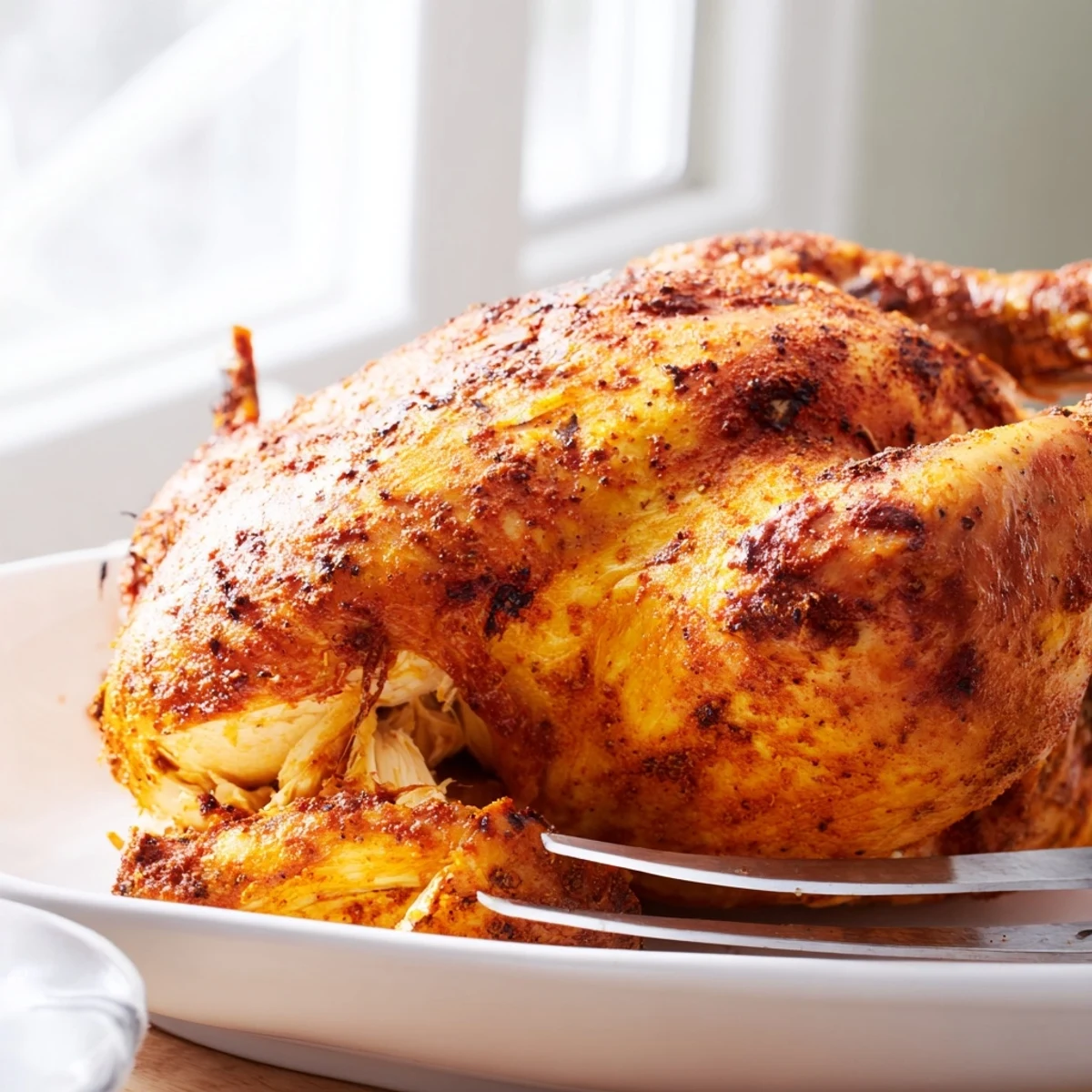
Save There's something deeply satisfying about roasting a whole chicken, and this recipe never fails to deliver that perfect balance of crispy skin and tender, juicy meat. Whether it's a casual Sunday dinner or you're feeding a crowd, this is the kind of meal that brings people together.
Recipe FAQs
- → How do I get crispy chicken skin?
-
Pat the chicken thoroughly dry before seasoning and roast at 375°F. For extra-crispy results, air-dry the uncovered chicken in the refrigerator for 2–12 hours before cooking to remove excess moisture from the skin.
- → What temperature should rotisserie chicken be?
-
The thickest part of the thigh should register 165°F (74°C) when fully cooked. Always use a meat thermometer to ensure safety without overcooking the meat.
- → Why rest chicken before carving?
-
Resting for 10–15 minutes allows the juices to redistribute throughout the meat. Cutting too soon causes all those flavorful juices to run out onto the cutting board, leaving you with dry meat.
- → Can I use different herbs?
-
Absolutely. Dried thyme and rosemary work beautifully, but feel free to substitute sage, oregano, or herbes de Provence. Fresh herbs inside the cavity add aromatic depth as well.
- → How long does leftover chicken keep?
-
Store cooled leftovers in an airtight container in the refrigerator for up to 4 days. The meat works wonderfully in sandwiches, salads, soups, or casseroles.
- → What should I serve with rotisserie chicken?
-
Roasted vegetables like potatoes, carrots, and Brussels sprouts complement perfectly. A crisp green salad, mashed potatoes, or crusty bread also make excellent sides.