
 Save
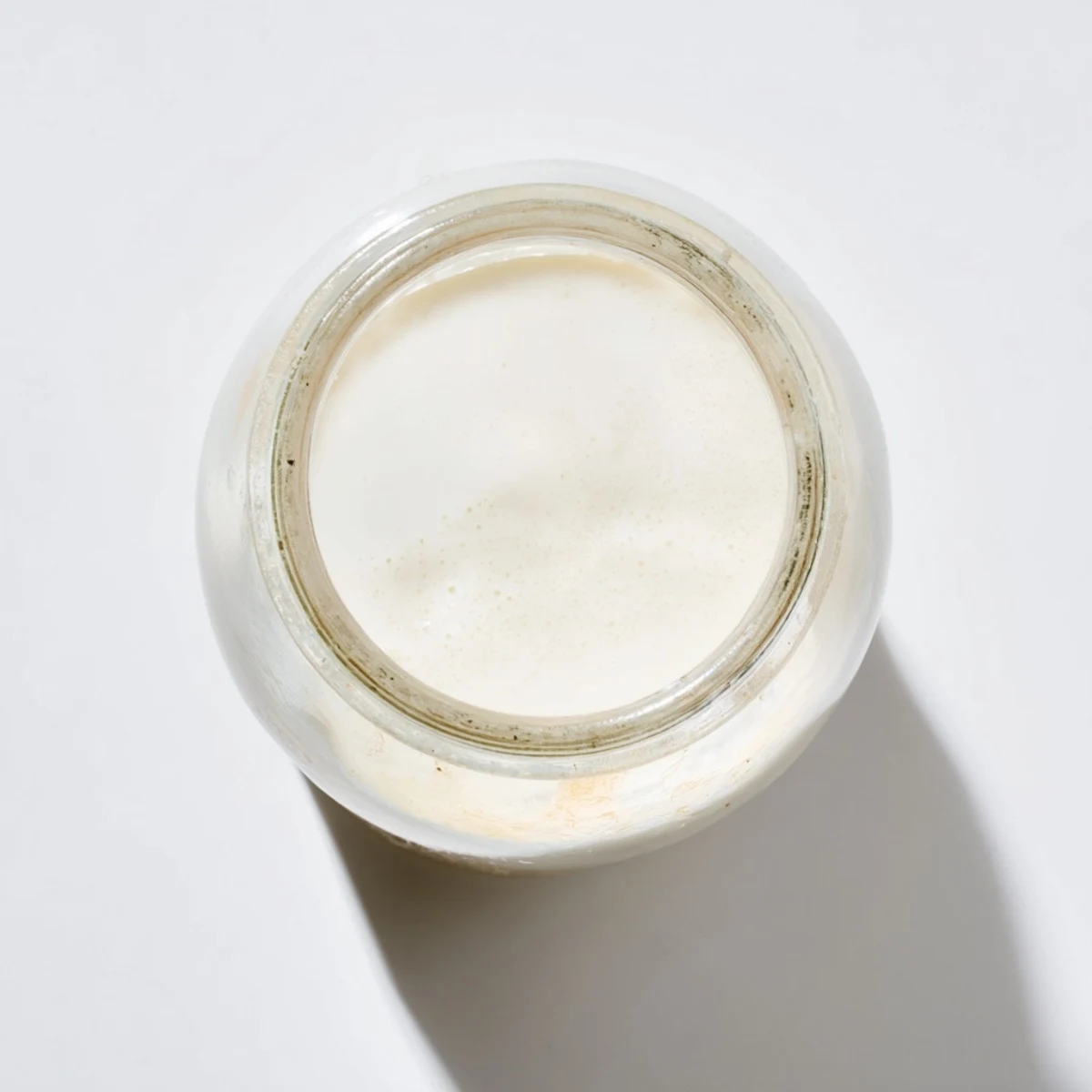
Save Préparez facilement votre propre lait de coco maison avec des ingrédients simples et naturels. En seulement 10 minutes, obtenez une boisson végétalienne crémeuse, parfaite pour agrémenter vos cafés, smoothies, currys et desserts. Cette version maison économise considérablement par rapport aux laits industriels tout en évitant les additifs.
La technique est simple : mixez de la noix de coco râpée avec de l'eau chaude, puis filtrez le mélange. Le résultat est un lait onctueux riche en bonnes graisses, conservable 4 jours au réfrigérateur. La pulpe restante peut être séchée pour la pâtisserie, ne gaspillant rien.
Standing in my tiny kitchen with a bag of shredded coconut, I never expected something so simple could taste so wildly different from the canned stuff. The moment I pressed that first batch through my cloth and saw pure, white milk drip into the bowl, I understood what fresh coconut milk actually tastes like. Now I make it weekly, and my morning coffee has never been the same.
Last summer my friend Sarah came over for coffee and watched me make this, absolutely mesmerized by how the water transformed into silky milk right in the blender. We spent the whole afternoon brainstorming ways to use it, from curry to overnight oats, and ended up making a second batch just because the first disappeared so fast into various recipes and taste tests.
Ingredients
- 200 g unsweetened shredded coconut: Make sure it is not sweetened baking coconut, that stuff will give you weirdly flavored milk
- 1 liter hot water: Use hot but not boiling water, boiling can make the coconut taste a bit bitter
Instructions
- Blend it all together:
- Toss your coconut into the blender and pour in the hot water, then let it rip on high speed for 2 to 3 minutes until everything is completely mixed and looks creamy
- Strain and squeeze:
- Pour the mixture through a nut milk bag or clean cloth over a large bowl, then really squeeze and press to get every last drop of milk out
- Bottle and store:
- Funnel your fresh coconut milk into a clean glass bottle and keep it in the fridge for up to 4 days, shaking well before each use
 Save
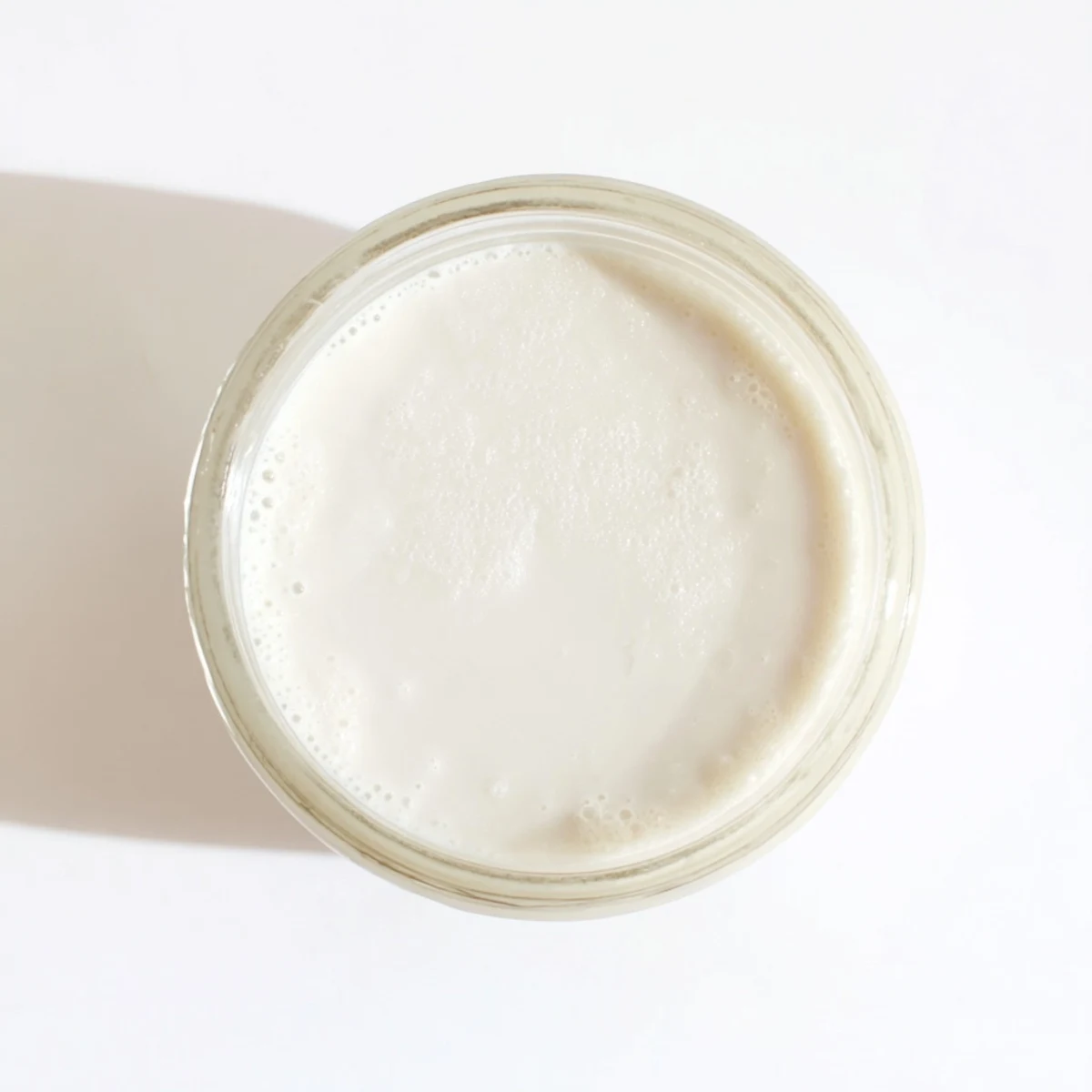
Save This recipe completely changed how I cook Asian dishes at home. There is something magical about knowing exactly what went into your ingredients, and the flavor difference in curries is honestly staggering compared to using canned versions.
Saving The Pulp
The leftover coconut pulp is not garbage, dry it out in a low oven and use it in baked goods or sprinkled over oatmeal. I have started keeping a bag in my freezer for impromptu macaroon experiments.
Making It Sweet
Sometimes I want sweetened coconut milk for baking or drinking straight. A tablespoon of maple syrup or honey blended in with the coconut does the trick beautifully without making it cloying.
Uses For Fresh Coconut Milk
The versatility of homemade coconut milk still surprises me. It works in everything from savory Thai curries to smoothies and even my morning latte when I am feeling tropical.
- Add it to curry during the last 10 minutes of cooking
- Blend it into smoothies for extra creaminess
- Use it in baked goods calling for coconut milk
 Save
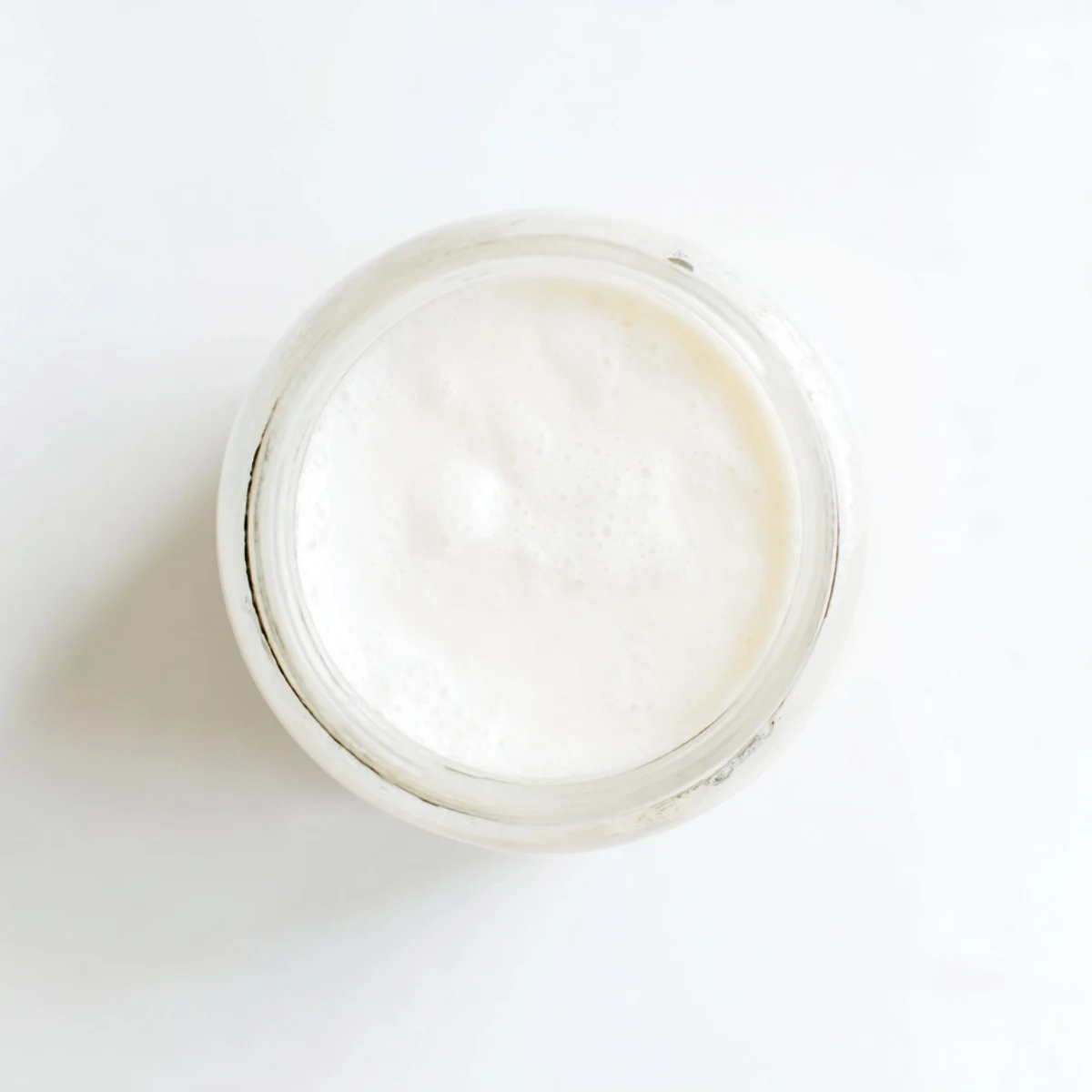
Save Once you start making your own coconut milk, you will wonder why you ever bought those cans at the grocery store. It really is that simple and that much better.
Recipe FAQs
- → Quelle est la durée de conservation du lait de coco maison ?
-
Votre lait de coco se conserve jusqu'à 4 jours au réfrigérateur dans une bouteille hermétique. Secouez bien avant chaque utilisation car la graisse peut remonter à la surface.
- → Puis-je utiliser de l'eau bouillante pour préparer le lait ?
-
Non, utilisez de l'eau chaude mais non bouillante (environ 60-70°C) pour préserver les qualités nutritionnelles de la coco et éviter de cuire les saveurs délicates.
- → Que faire de la pulpe de coco après filtration ?
-
La pulpe restante peut être séchée au four basse température pour obtenir de la coco râpée séchée, utilisable en pâtisserie ou comme topping pour vos bols et desserts.
- → Est-il possible de sucrer le lait de coco ?
-
Oui, ajoutez 1 cuillère à soupe de sirop d'érable, de miel ou tout autre édulcorant naturel pendant le mixage selon vos préférences personnelles.
- → Quels sont les bienfaits nutritionnels de ce lait ?
-
Chaque verre de 250 ml apporte 120 calories, 11 g de lipides sains, 5 g de glucides et 1 g de protéines. Riche en graisses saturées bénéfiques, il est naturellement sans lactose et adapté aux régimes végétaliens.
- → Peut-on congeler le lait de coco maison ?
-
Oui, le lait de coco se congèle très bien jusqu'à 3 mois. Divisez-le en portions dans des bacs à glaçons ou des petits contenants pour une utilisation facile. Notez qu'une légère séparation peut survenir après décongélation.