
 Save
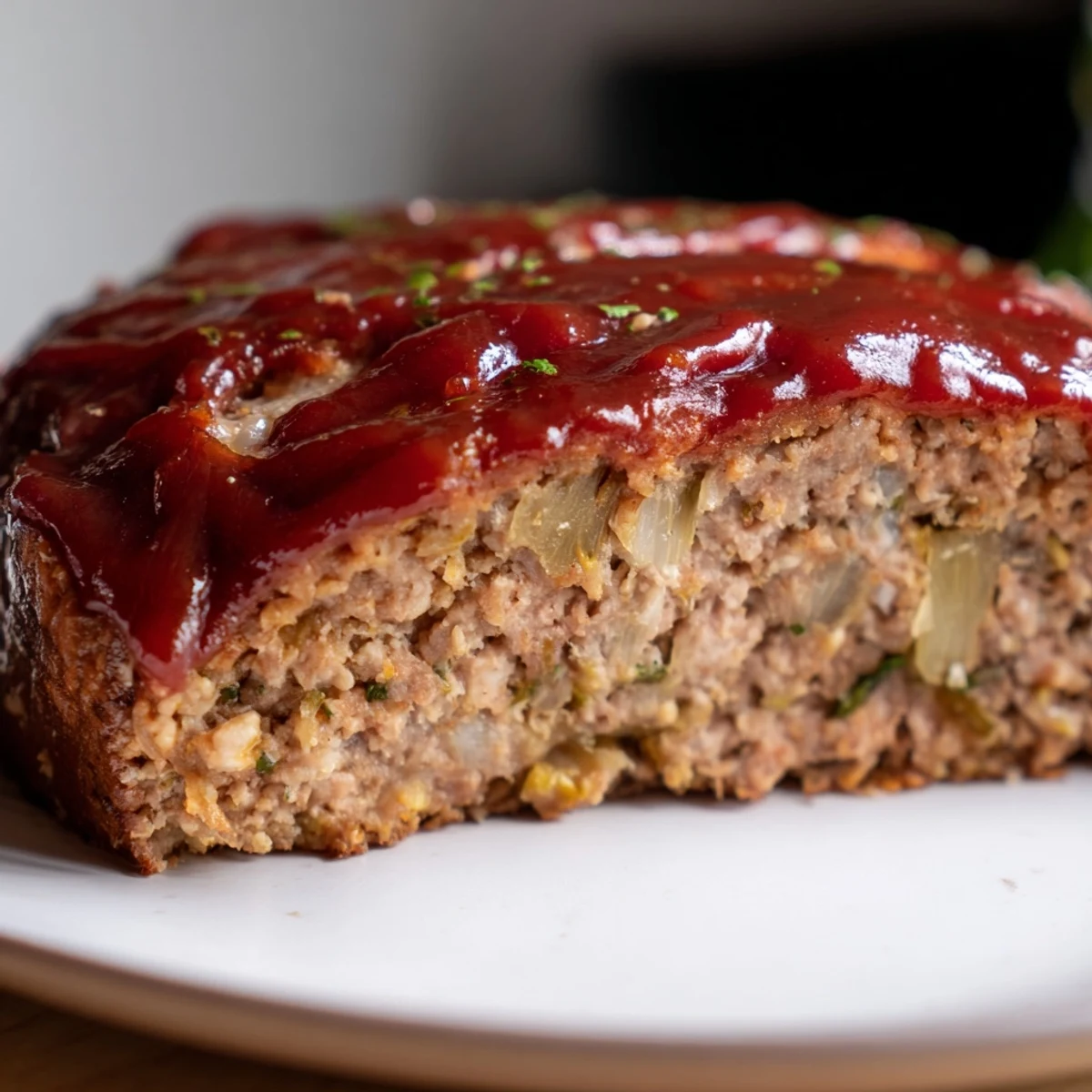
Save This savory turkey loaf combines breadcrumbs, milk, and aromatic spices for a moist, juicy texture. Topped with a sweet and tangy ketchup glaze featuring brown sugar and vinegar, it bakes to perfection. Let it rest before slicing to ensure maximum flavor retention.
My sister called one Tuesday afternoon asking if I could bring something to her book club potluck, and I found myself standing in front of the freezer with ground turkey staring back at me. I'd made meatloaf a dozen times with beef, but turkey felt lighter, fresher somehow, and I wondered if a bright ketchup glaze could give it that same comfort-food soul I loved. Two hours later, watching people go back for seconds of something I'd nearly overlooked made me realize the best dishes often come from happy accidents and last-minute inspiration.
I remember my mom's face when I sliced into that first meatloaf and the steam rose up, and she took a bite and smiled that quiet smile she has when food hits exactly right. She didn't say much, but she asked for the recipe before dessert, and that's when I knew it belonged in the regular rotation.
Ingredients
- Ground turkey: Use freshly ground or thawed turkey for the best texture; don't work it too much once it's in the bowl.
- Breadcrumbs and whole milk: This pairing keeps the meatloaf impossibly moist, the milk-soaked breadcrumbs acting like tiny flavor sponges.
- Onion and garlic: Mince them small so they distribute evenly and cook down into sweet, savory pockets throughout.
- Fresh parsley and thyme: These herbs add brightness without overpowering; dried thyme concentrates its earthiness.
- Worcestershire sauce: A tablespoon transforms turkey from mild to memorable with umami depth.
- Ketchup glaze ingredients: Brown sugar melts into the ketchup, vinegar cuts through richness, and mustard adds subtle complexity that nobody quite identifies but everyone notices.
Instructions
- Soak your breadcrumbs in milk:
- Give them a full five minutes so they absorb the liquid completely—this is where the moisture magic begins. It feels like you're doing nothing, but you're building the foundation.
- Combine everything gently:
- Use your hands and work just until the mixture comes together; overworking toughens the turkey and crushes the texture you're after. Think of it as coaxing, not kneading.
- Shape and prepare your glaze:
- Form the mixture into a loaf on parchment paper or press it into a loaf pan, depending on which you prefer. Whisk the glaze ingredients in a separate bowl so they're ready to go.
- First bake and glaze:
- After 40 minutes at 350°F, the meatloaf should look set on top but still have some give when you press it. Spread half the glaze generously and let it sink into the surface.
- Finish strong:
- Add the remaining glaze in the final 15 minutes, letting it caramelize and turn glossy. The internal temperature should reach 165°F, and resting for ten minutes allows the juices to redistribute.
 Save
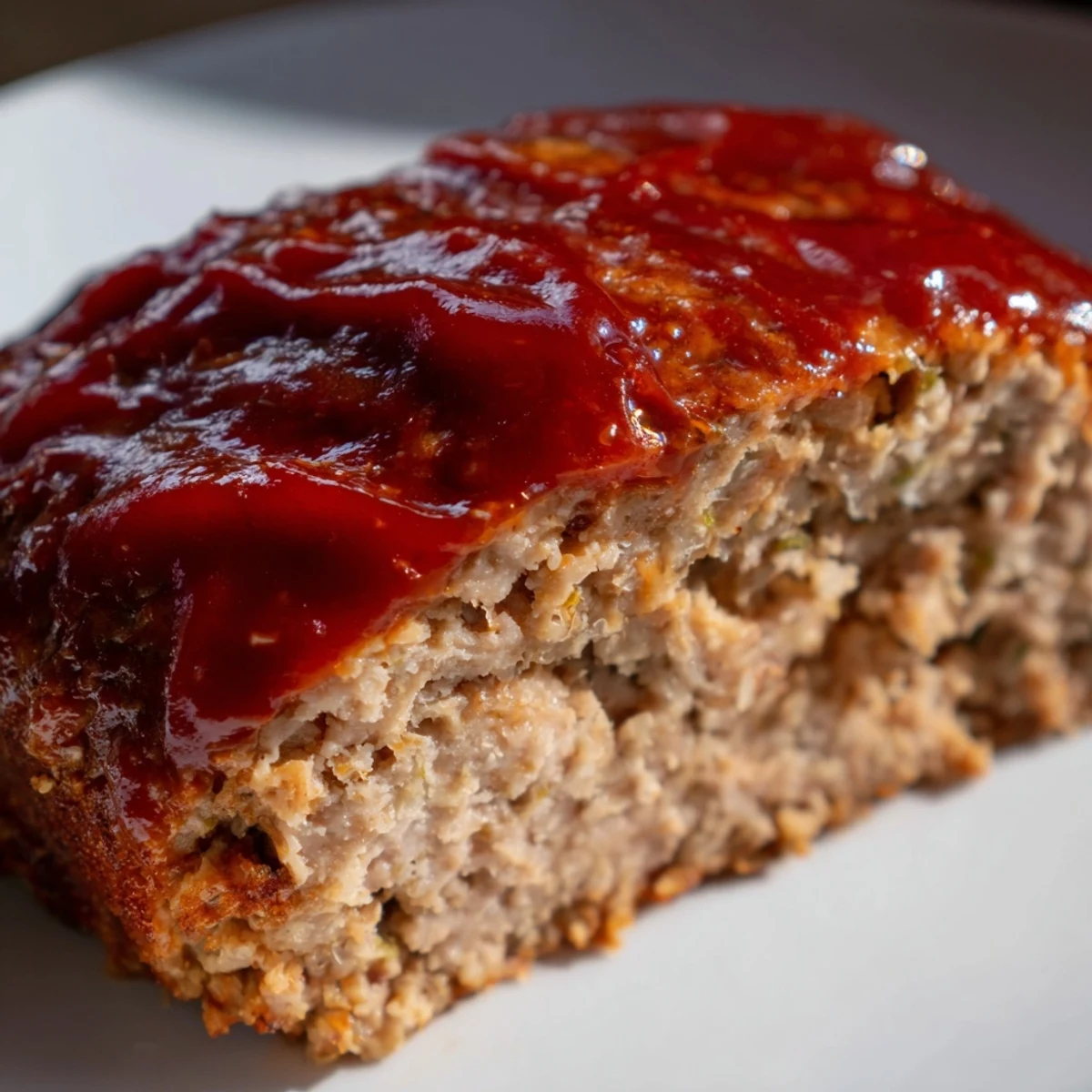
Save There's something almost magical about bringing a home-cooked meatloaf to the table with its glossy ketchup top still warm and sticky from the oven. It feels humble and impressive at the same time, proof that sometimes the simplest ideas are the ones that stick with people.
Why Turkey Changes Everything
Turkey meatloaf used to feel like the sad diet version of the real thing until I stopped comparing and started listening to what turkey actually wanted. It's lighter and gentler than beef, which means the herbs and Worcestershire shine brighter, and the glaze becomes the star instead of just a topping. I started choosing it not because it was leaner, but because I genuinely preferred how it tasted.
The Secret of the Glaze
The ketchup glaze is where this dish lives or dies, and the trick is understanding that it's not just ketchup dumped on top. Brown sugar adds depth and a subtle caramel note, vinegar keeps it from becoming cloying, and mustard adds a whisper of complexity that rounds everything out. I learned this after making it five different ways and tasting the difference each time—now it's instinctive.
Making It Your Own
This recipe is sturdy enough to handle your changes and flexible enough to fit what you have on hand. I've added grated zucchini on nights when I wanted extra moisture and served it with everything from roasted Brussels sprouts to simple rice. The bones of the recipe—the moist turkey, the balanced glaze—stay solid no matter where you take it.
- Grated zucchini or mushrooms add moisture and subtle earthiness without changing the fundamental character.
- Serve with mashed potatoes and steamed green beans for the classic version, or try it alongside roasted root vegetables for something different.
- Leftovers transform into incredible sandwiches the next day, with a little mayo and pickles on toasted bread.
 Save
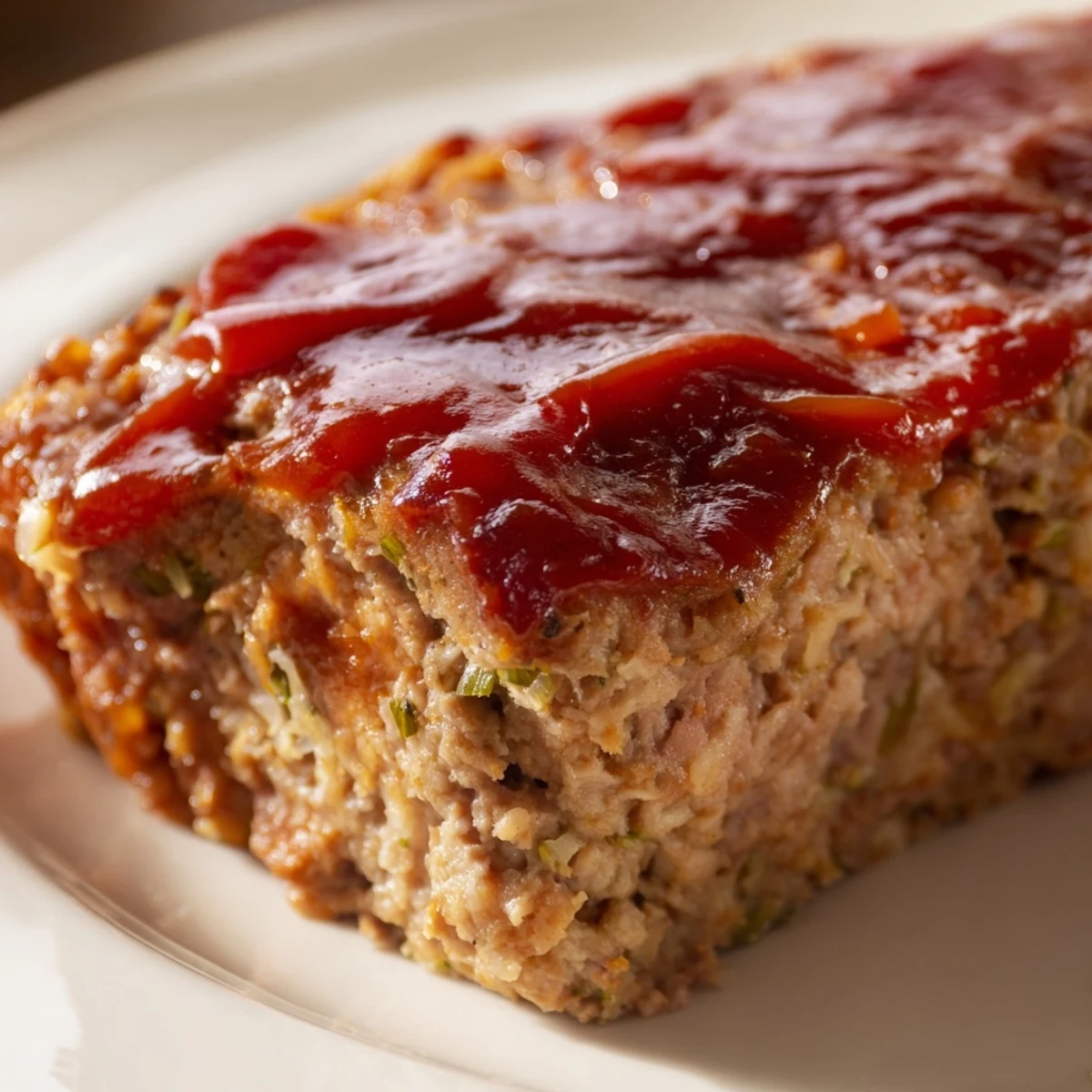
Save This meatloaf has become the kind of dish I make when I want people to feel taken care of without spending hours in the kitchen. It's comfort food that tastes like you tried, without the complicated fuss.
Recipe FAQs
- → How do I keep the meatloaf moist?
-
Soak breadcrumbs in milk before mixing and avoid overworking the meat to ensure a tender and juicy result.
- → What sides pair well with this dish?
-
Creamy mashed potatoes and steamed green beans are classic accompaniments that complement the savory flavors perfectly.
- → Can I use ground beef instead of turkey?
-
Yes, ground beef can be substituted, though the cooking time may vary slightly depending on the fat content used.
- → How do I make the glaze extra tangy?
-
Increase the amount of apple cider vinegar or Dijon mustard in the glaze mixture to enhance the tangy flavor profile.
- → What is the recommended internal temperature?
-
The meatloaf is safely cooked when its internal temperature reaches 165°F (74°C) as measured with a meat thermometer.