
 Save
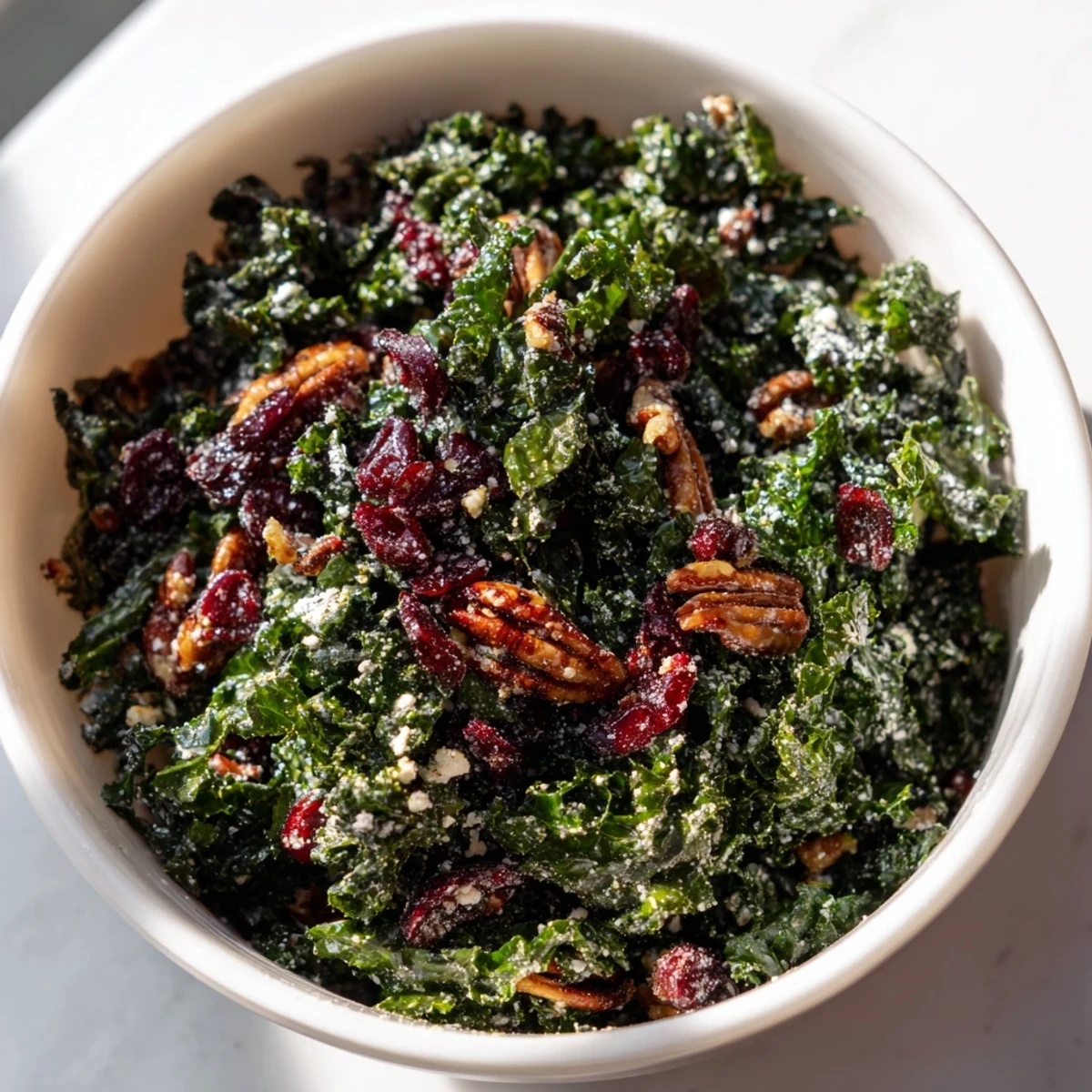
Save This winter salad highlights tender kale massaged to soften its texture, paired with sweet dried cranberries and toasted nuts for crunch. A tangy dressing made from lemon juice, apple cider vinegar, and maple syrup brightens the flavors, while optional crumbled cheese adds creaminess. The salad benefits from resting 5-10 minutes to meld flavors perfectly, making it a refreshing, nutrient-packed dish suitable for cold months.
One particularly gray January afternoon, I found myself staring at a sad head of kale in the crisper drawer, wondering if it could possibly become something my family would actually want to eat. That's when I remembered my neighbor mentioning how she massages her kale until it surrenders, then tops it with things that taste like celebration—cranberries, pecans, something bright. I gave it a try, and what emerged was a salad so vibrant it felt like a quiet rebellion against the season itself.
I made this for a potluck where everyone else brought casseroles, and I almost didn't bring it—until my daughter tasted a bite and declared it the best thing at the whole table. That moment, watching someone genuinely enjoy something I'd almost second-guessed, is what this salad means to me now.
Ingredients
- Lacinato or curly kale (8 cups chopped): Lacinato has a silkier texture and milder flavor if you're kale-skeptical, but curly works beautifully too—just massage a little longer.
- Dried cranberries (1/2 cup): They plump up slightly and taste like sweet-tart little pockets of brightness in every bite.
- Toasted pecans or walnuts (1/3 cup chopped): Toasting them yourself makes a real difference—they go from bland to nutty and warm, which is worth the extra three minutes.
- Apple (1 small, thinly sliced): The crispness keeps everything from feeling too heavy; use a mandoline if you want paper-thin slices.
- Feta or goat cheese (1/3 cup crumbled, optional): The tang cuts through the sweetness and adds a creamy moment, but the salad is wonderful without it too.
- Extra-virgin olive oil (1/4 cup): This is not the time to use the cheap stuff—it's the backbone of your dressing.
- Fresh lemon juice (2 tablespoons): Fresh is non-negotiable here; bottled juice tastes like disappointment in comparison.
- Apple cider vinegar (1 tablespoon): It echoes the apple and adds a subtle complexity that makes people ask what the secret ingredient is.
- Maple syrup or honey (1 tablespoon): Just enough sweetness to balance the acid without making it taste like dessert.
- Dijon mustard (1 teaspoon): It's the quiet emulsifier that helps everything cling to the kale.
- Salt and freshly ground black pepper: Taste as you go—kale can handle more seasoning than you'd think.
Instructions
- Tender the kale:
- Put your chopped kale in a large bowl, drizzle with a little olive oil and a good pinch of salt, then massage it with your hands for two to three minutes. You're breaking down the fibers so it becomes silky instead of tough—listen for the subtle crackling sound as the leaves soften.
- Build your dressing:
- In a separate small bowl or jar, combine the olive oil, lemon juice, apple cider vinegar, maple syrup, Dijon mustard, salt, and pepper. Whisk vigorously until it looks emulsified and glossy, not separated.
- Compose the salad:
- Add the cranberries, toasted nuts, apple slices, and cheese (if using) directly to the massaged kale and toss gently to distribute everything evenly.
- Dress and rest:
- Pour the dressing over the salad and toss well, making sure the kale gets coated. Let it sit for five to ten minutes on the counter—this is when the magic happens and the flavors start talking to each other.
 Save
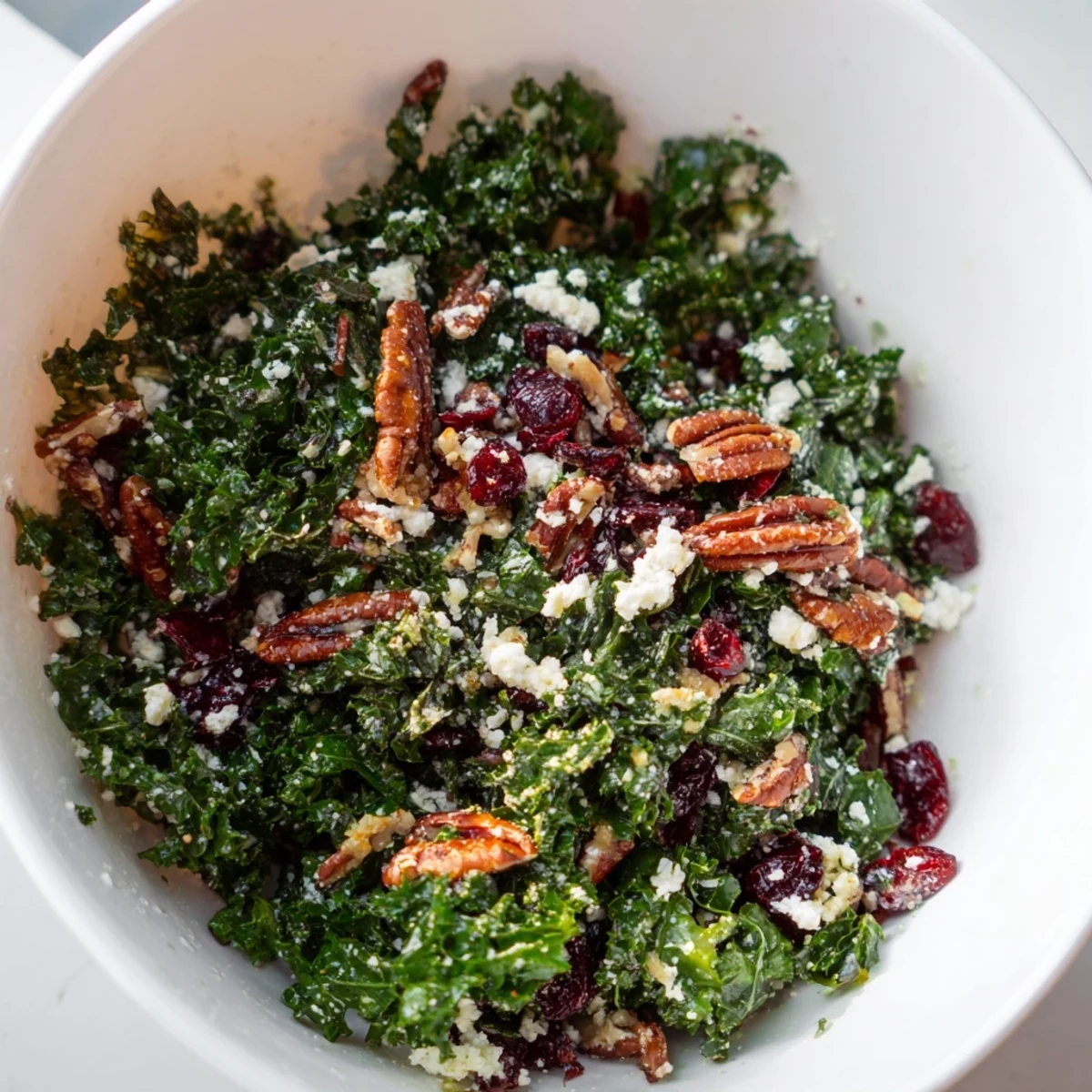
Save My son, who claims he doesn't like salad, has started asking for this one by name. That's when you know a recipe has stopped being just food and become something that quietly changes how people feel at the dinner table.
Why Kale Deserves a Second Chance
Kale has a reputation for being virtuous and unpleasant, but that's because most people eat it raw and unkissed. Once you massage it with good olive oil and salt, something shifts—the bitterness softens, the texture becomes welcoming, and suddenly you're eating something that's both nourishing and genuinely crave-able. I've converted a lot of skeptics this way.
Making It Your Own
This recipe is a skeleton you're meant to dress up however your kitchen mood strikes. Some seasons I add thinly sliced pear instead of apple, or scatter orange segments across the top for brightness. Other times I swap in sunflower seeds for the nuts because that's what I have, and the salad is better for the unexpected change. The dressing is also your playground—a touch more mustard if you like sharpness, a drizzle more honey if sweetness calls to you.
Serving and Storage Wisdom
This salad sits beautifully in a covered container for up to three days, though the kale does gradually soften—which some people see as a drawback but I see as the salad becoming more tender and generous. You can also assemble everything except the dressing the night before, keep it in the fridge, and dress it just before eating for maximum crispness. It works as a substantial lunch on its own, but it's also the kind of salad that makes grilled chicken or crumbled tofu feel like it belongs right alongside it.
- For meal prep, store the dressing separately and dress only what you're eating that day.
- Nuts stay crispest if you add them just before serving, though I've mixed them in earlier plenty of times without regret.
- If the apples start to brown, a squeeze of lemon juice keeps them looking fresh and bright.
 Save
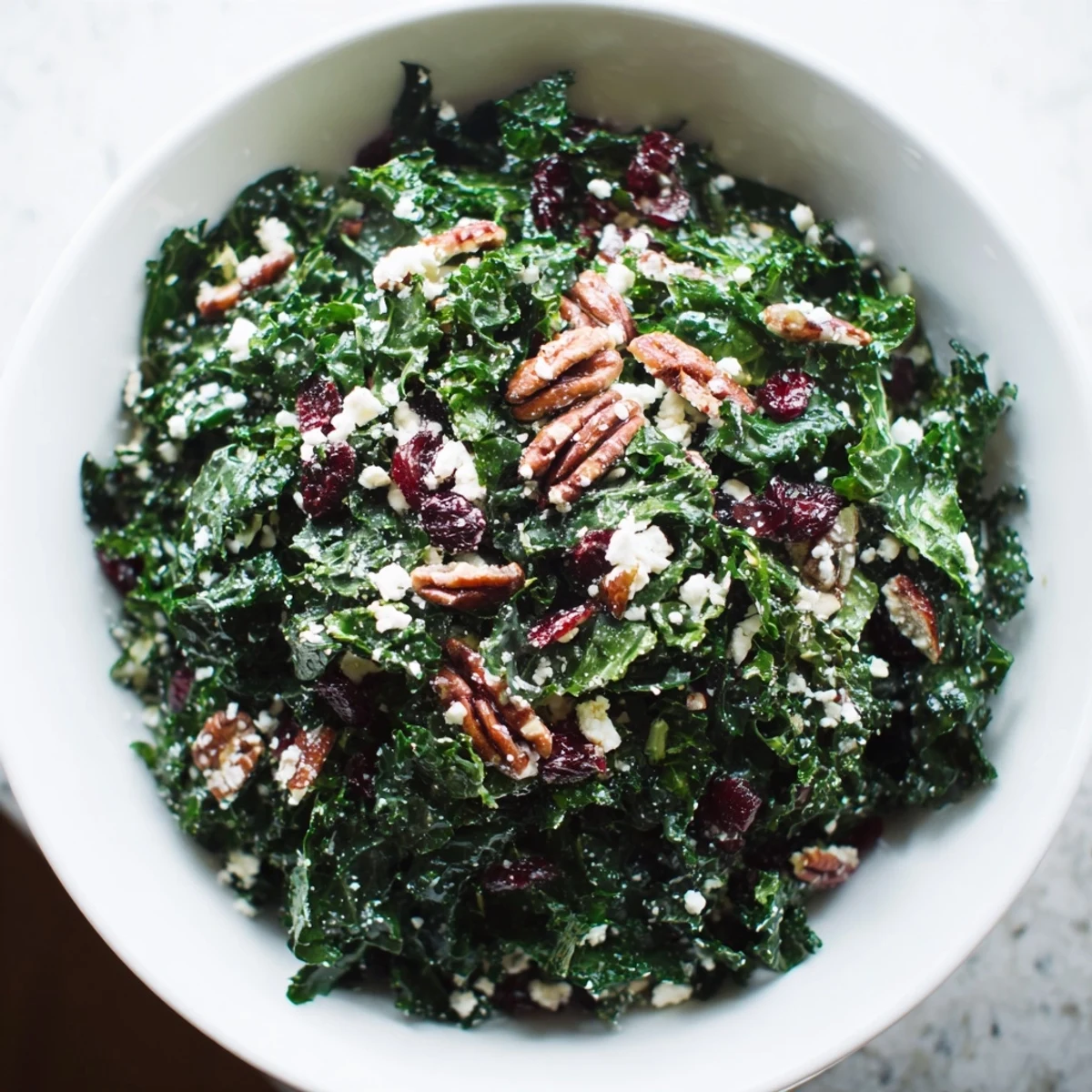
Save This salad taught me that winter food doesn't have to feel like deprivation—sometimes it's just about knowing how to coax sweetness and vitality from what's available. Make it once, and you'll understand why it keeps coming back to the table.
Recipe FAQs
- → How can I soften the kale leaves for this salad?
-
Massage the chopped kale with a drizzle of olive oil and a pinch of salt for 2-3 minutes until the leaves darken and become tender.
- → What nuts work best for the crunch in this salad?
-
Toasted pecans or walnuts add a rich crunch, but you can substitute roasted pumpkin or sunflower seeds for nut-free options.
- → Can I replace the dried cranberries with another fruit?
-
Yes, dried cherries, raisins, or fresh orange segments make excellent alternatives that complement the salad's tangy profile.
- → Is there a way to make the dressing less sweet?
-
Reduce or omit the maple syrup or honey to adjust sweetness, balancing with extra lemon juice or vinegar if needed.
- → What cheese options enhance this salad's flavor?
-
Crumbled feta or goat cheese add a creamy, tangy element; to keep it dairy-free, simply omit or use plant-based cheese alternatives.